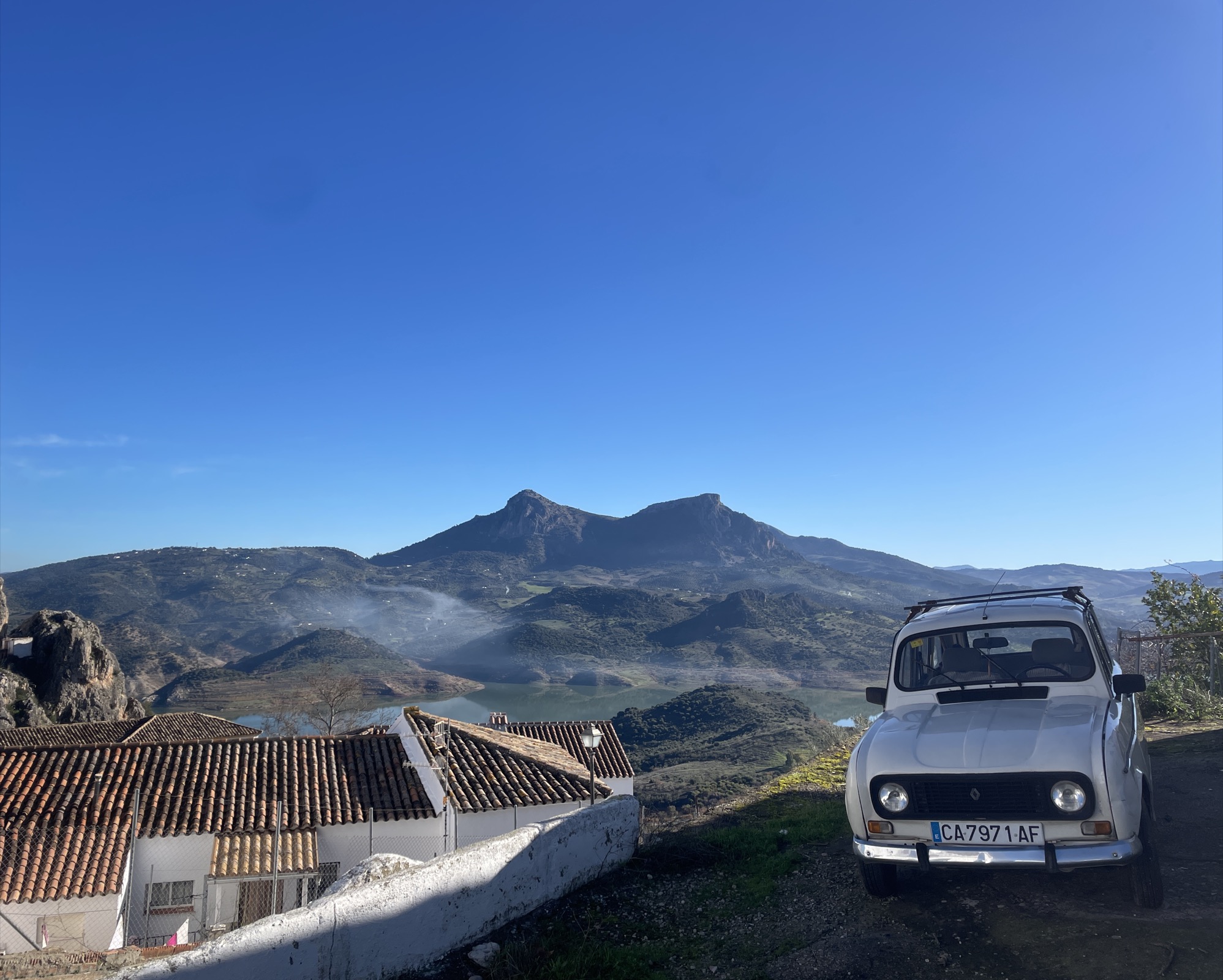
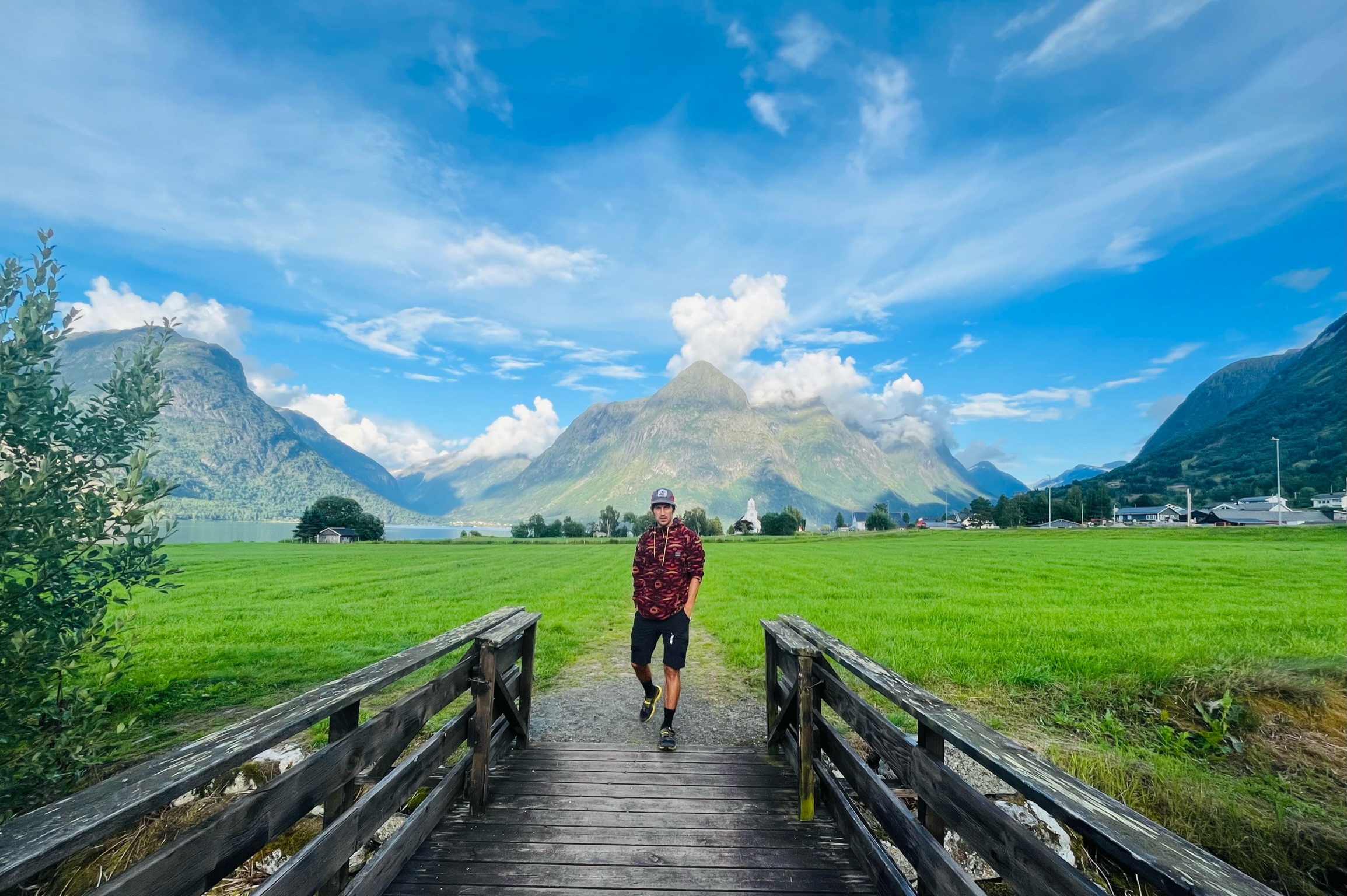
I'm sitting writing this on what should have been my last day in Cortes de la Frontera, a hidden gem nestled in the Serranía de Ronda. A nine month tenure that started with a list of goals, a rented house far too big for one person, and a deliberate decision to put myself two hours from the nearest friend.
I first discovered Cortes in December 2023, when I organised a three day hiking trip here with a group of friends. I came back for a month in early 2024, and despite the rain, I loved it and always wanted to return. Over the years I've travelled a lot, and between travels I've spent stretches living a month at a time in different corners of the Andalusian campo. I even almost bought a house out here last year, in Alozaina, but for reasons beyond my control the purchase couldn't be completed.
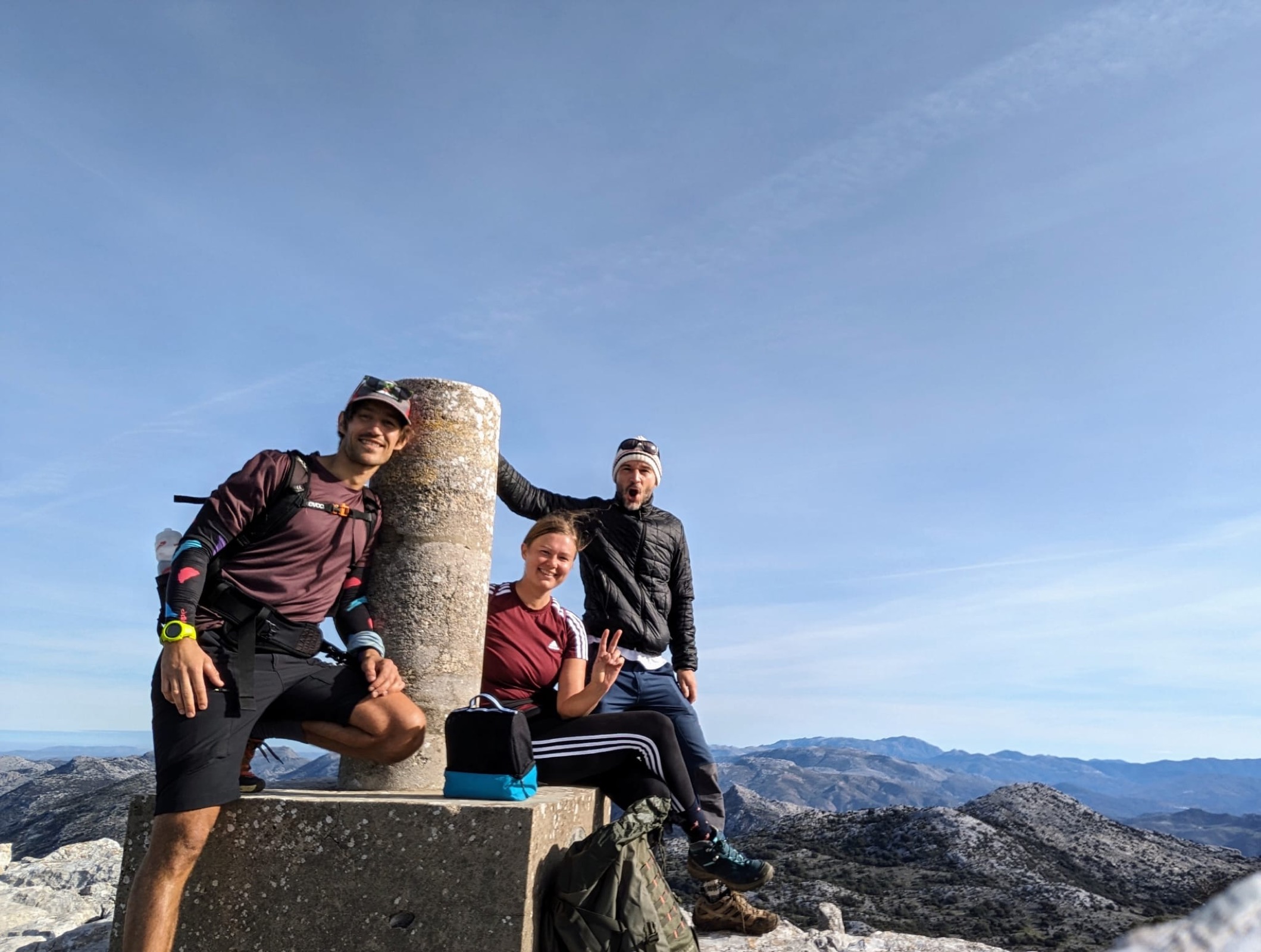
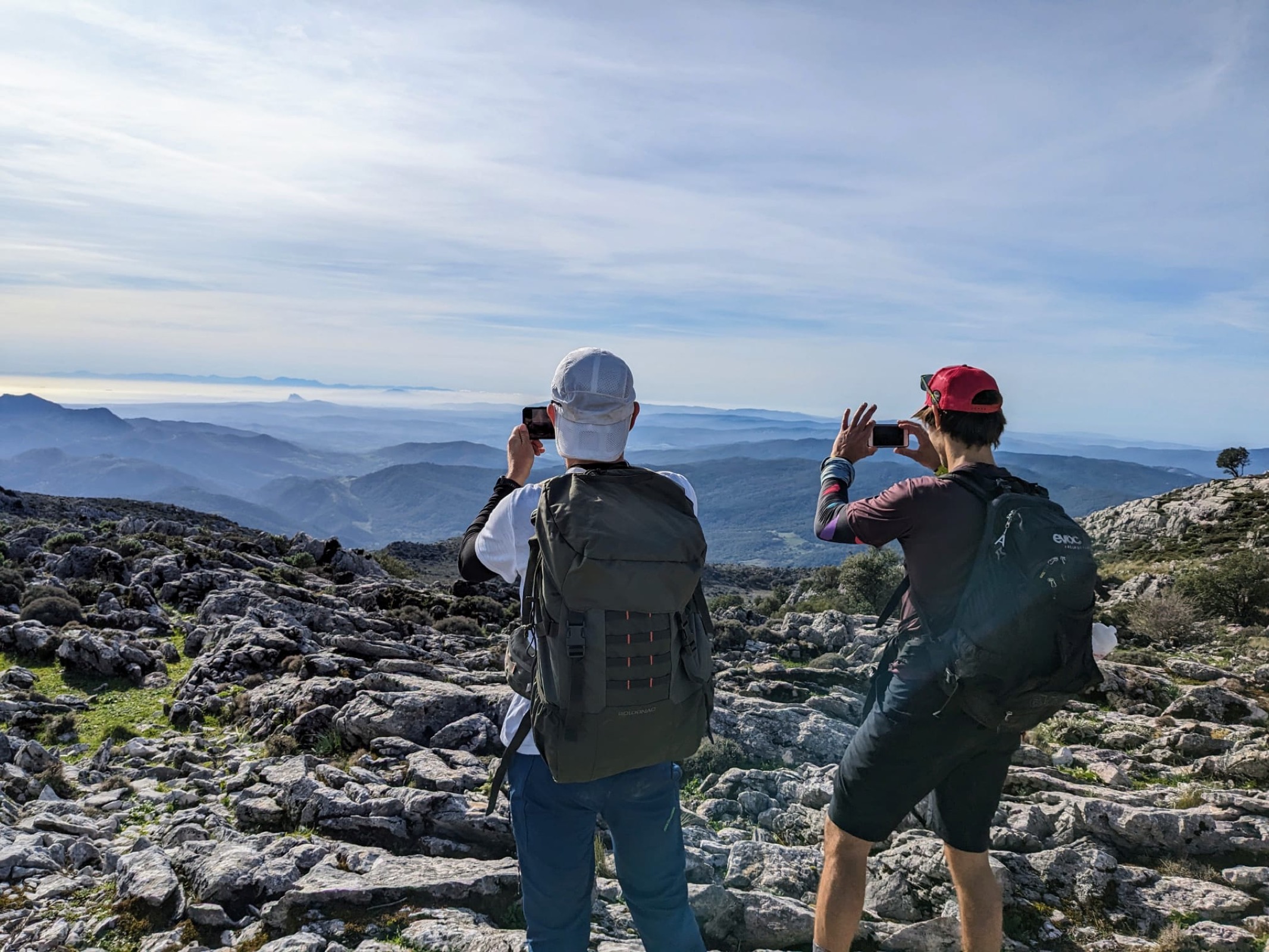
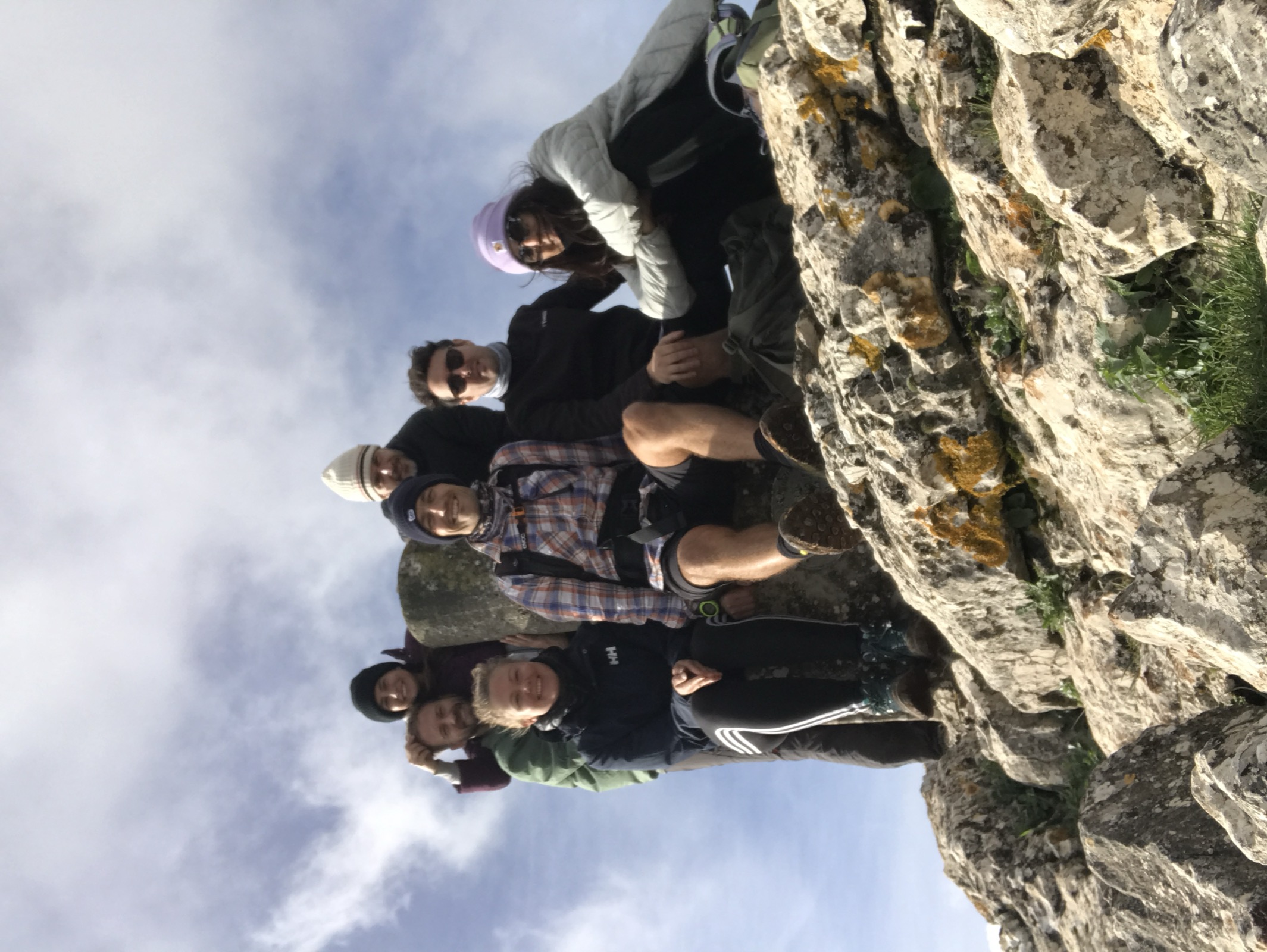
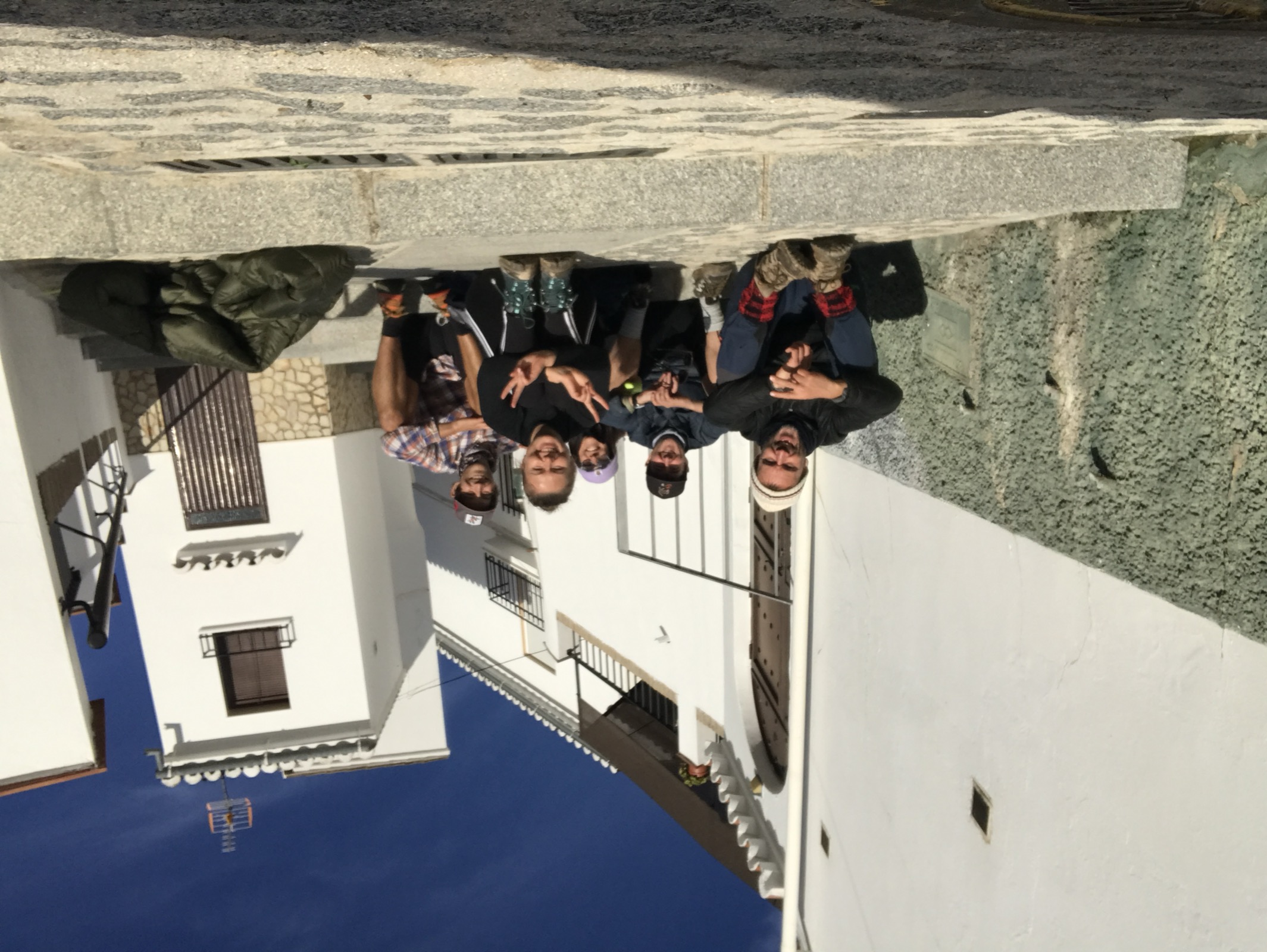
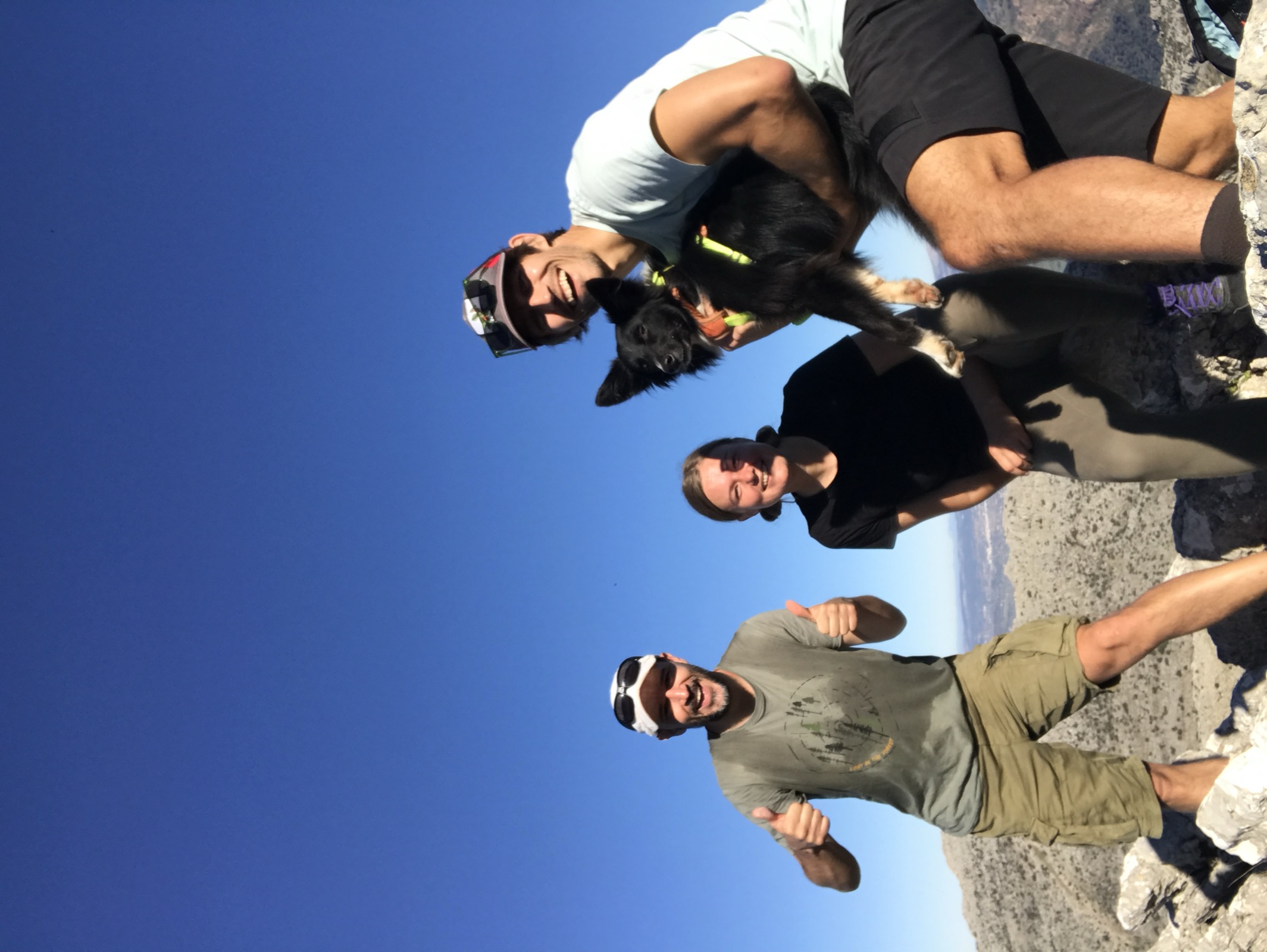
First discovery of Cortes de la Frontera, December 2023
I've always described moving to Cortes as escaping the city. I'd grown tired of Málaga. The gentrification, the busy streets, the reggaeton. But I was still in love with life in Andalusia. I was tired of constant travel (I'd made a habit of moving around a lot), of never being able to put my bags down long term. I was craving rhythm and routine. More than that, I wanted to challenge myself. I committed to taking a year off work. I wanted boredom. I wanted to eradicate options. I deliberately put myself two hours from where any friend lived, in a separate country from my family. With all that time and space, I wanted to see what would come up. What would I be inclined to do?
On being alone
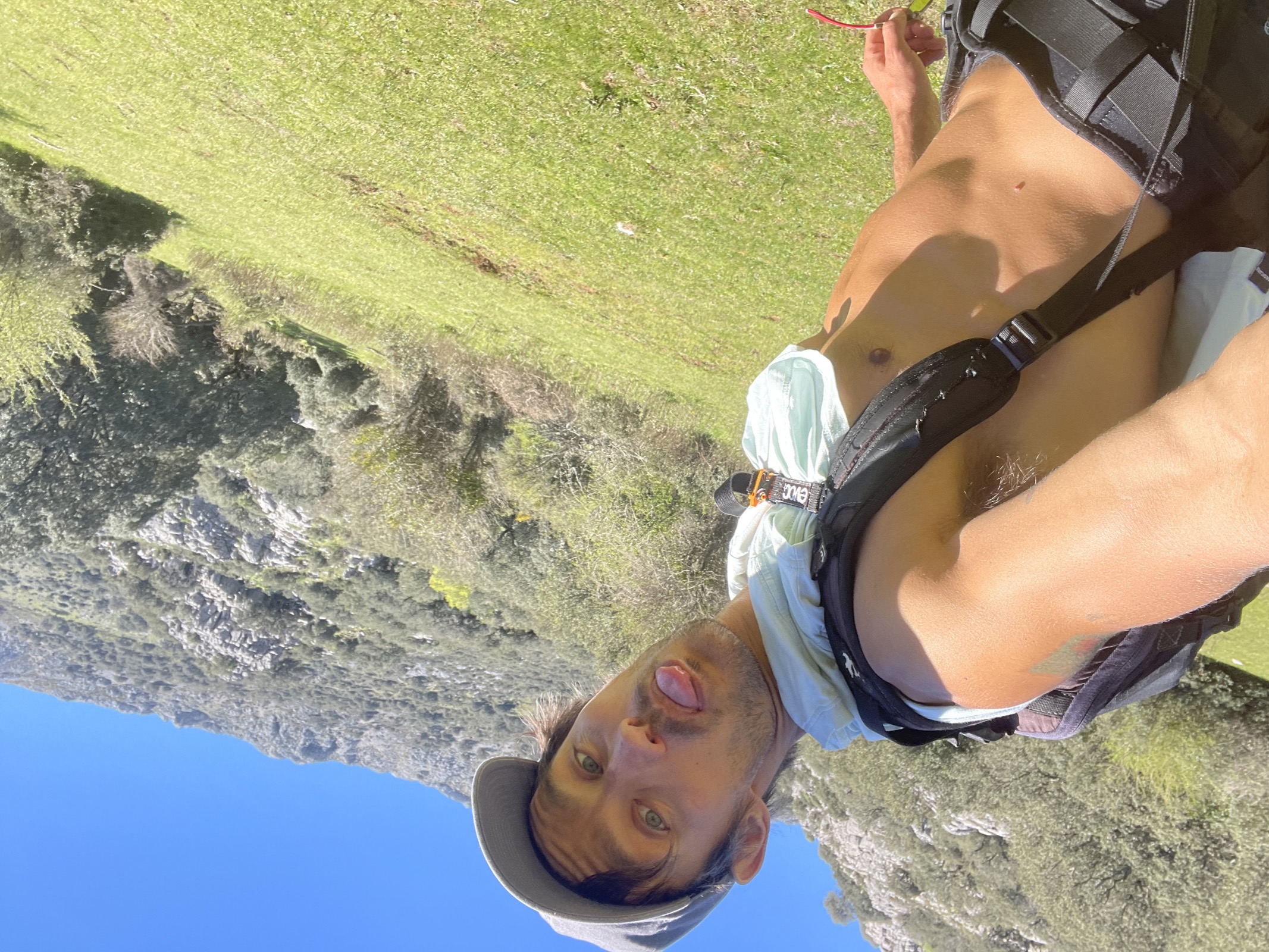
I moved here knowing I'd be alone most of the time. Visitors occasionally, but mostly alone. I expected winter to be the hardest, the long dark days, the cold, the constant rain. But it didn't get to me. If anything, people who visited said I romanticised the cold and the rain. I became super focused on my projects through that period, telling myself: now is the time, because in a few months it'll be warm and I'll want to be outside all day. What caught me by surprise was the opposite. When the days got longer and warmer, I suddenly had evenings to fill, and that's when the pangs of loneliness arrived. But loneliness isn't new to me, and it was never just about being physically alone. Living in Málaga, surrounded by people, options, bars, things to do, I'd sometimes feel just as lonely. The paradox of choice would get to me, and instead of picking something to do I'd pick nothing. Moving to a pueblo with a tiny population, a handful of bars, hardly anyone my age, no tourists, almost no foreigners, simplified everything. I never had FOMO in Cortes.
The professional goals
I knew taking time off work could be a dangerous thing, because I'd done it before. Back in 2016 I sold Feetus in the October and moved to Spain a few months later, and what followed was what I'd honestly describe as a lazy period. It lasted fifteen months. So this time I made sure I had professional goals alongside everything else. I'd used AI tools in my previous role as instructional designer and marketing manager at Teach HQ, and I wanted to go deeper. Build things of value. Things I'd love to use. Skills that can help in my next career steps.
A dating app concept
First up: a single man living in a small pueblo uses dating apps. My observation from using them is that they're all the same. Swipe right if you like this person, swipe left if not. So I looked at other ways a dating app could work. Why see just one profile at a time? So I built Fourank, where you see four profiles at once and rank them in order. Rank someone number one, and if they do the same, boom, it's a match. In the app it's called First Love. You both ranked each other first, after all. Everything centred on the number four: four photos, four hobbies, four prompts. But Fourank was flawed, it asked too much of the user. It wasn't as simple as the others, and maybe that explains the success of Tinder, Bumble, Hinge. It all hinges on simplicity. Still, an interesting concept, and it forced me to think about how I'd actually want a dating app to be.
Lesson learned: if you're living remotely, dating apps are a good idea. Love them or loathe them, they're a good way to meet people. And if anyone building one wants a hand from someone who's thought about this far too much, let's chat.
Matching through music tastes
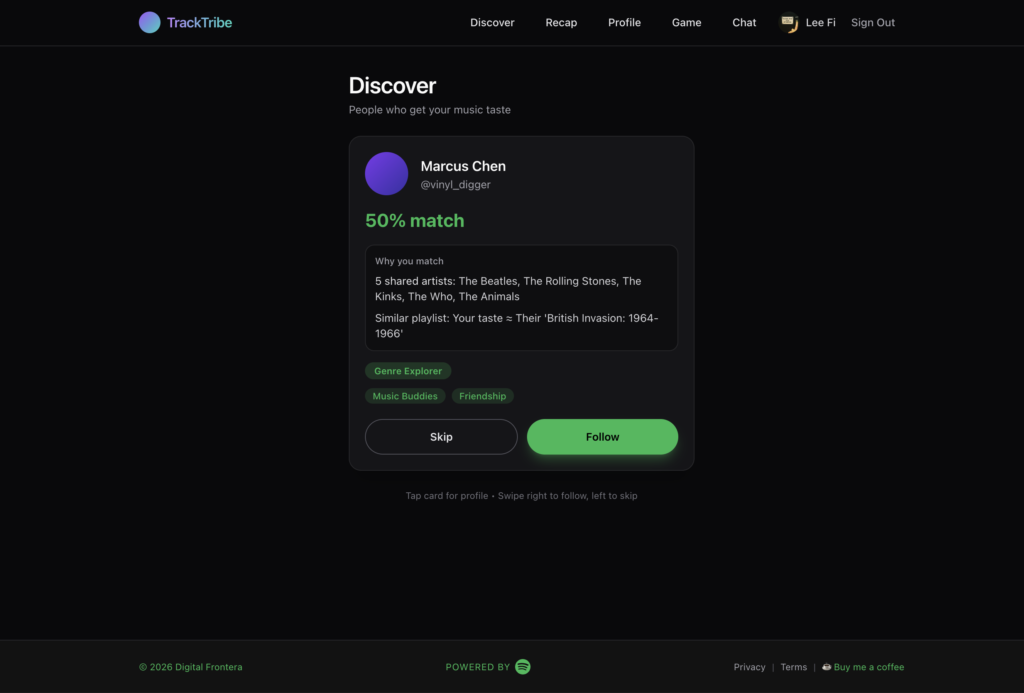
I love music. It's a buzz when you meet someone who shares that. My first thought was a dating app that matched people by music taste, but limiting it to dating felt like a waste, the idea was bigger than that. Spotify has a brilliant algorithm and no real community, no way to share your taste and connect with the people behind the playlists you love. So I built TrackTribe, a social discovery platform where you match with people through music, not photos. The core of it is a game: you listen to 30 second previews from a stranger's playlist and swipe. Like enough of their songs and it's a match, the curator is revealed, and you can follow or message them. Then Spotify changed their API policy and capped new apps at five users, which killed any chance of launching.
The full story is here. Another good idea. Maybe I'll take it to another platform one day. Hi Tidal ;-)
Datavata, and why I really came here
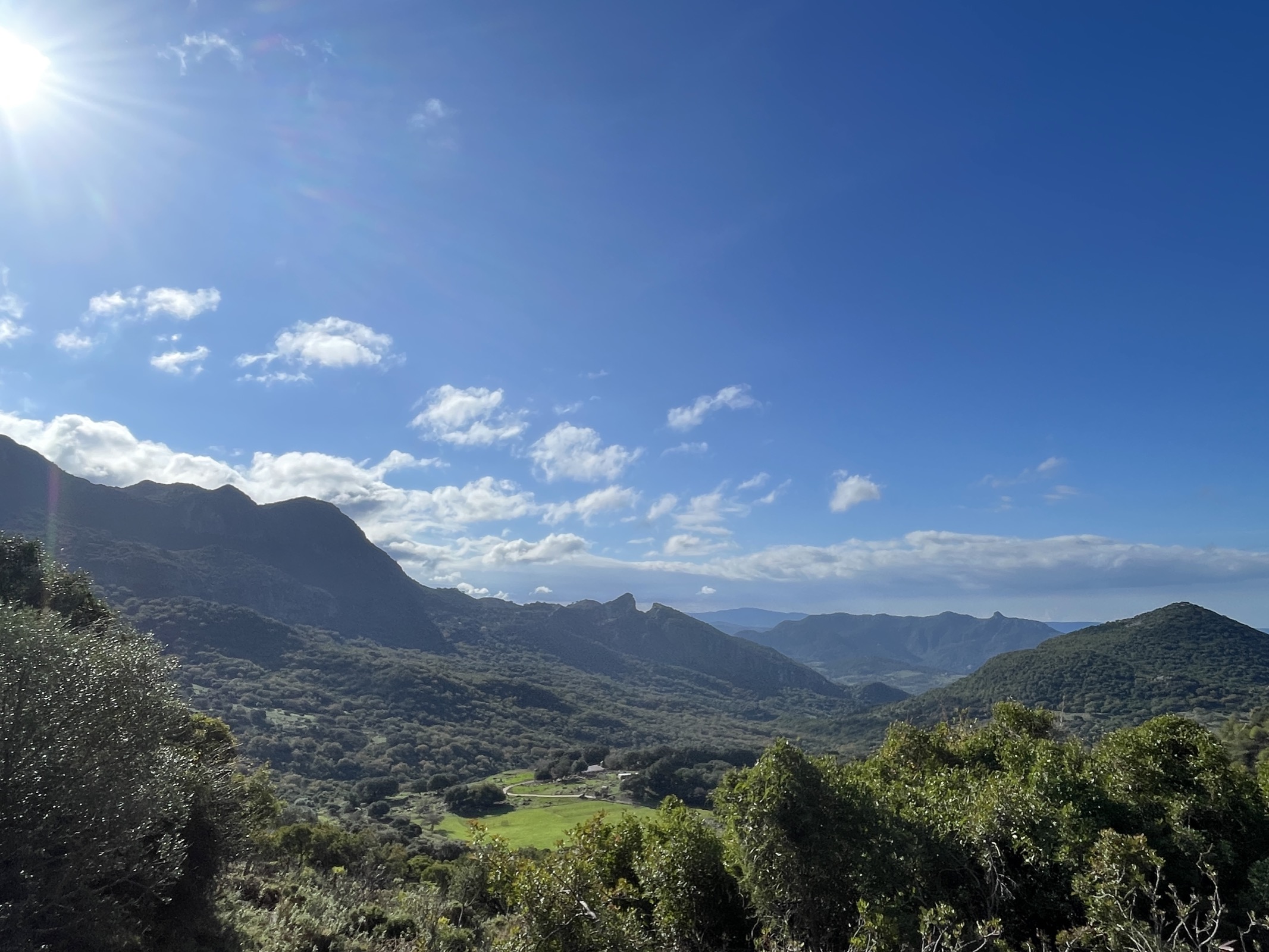
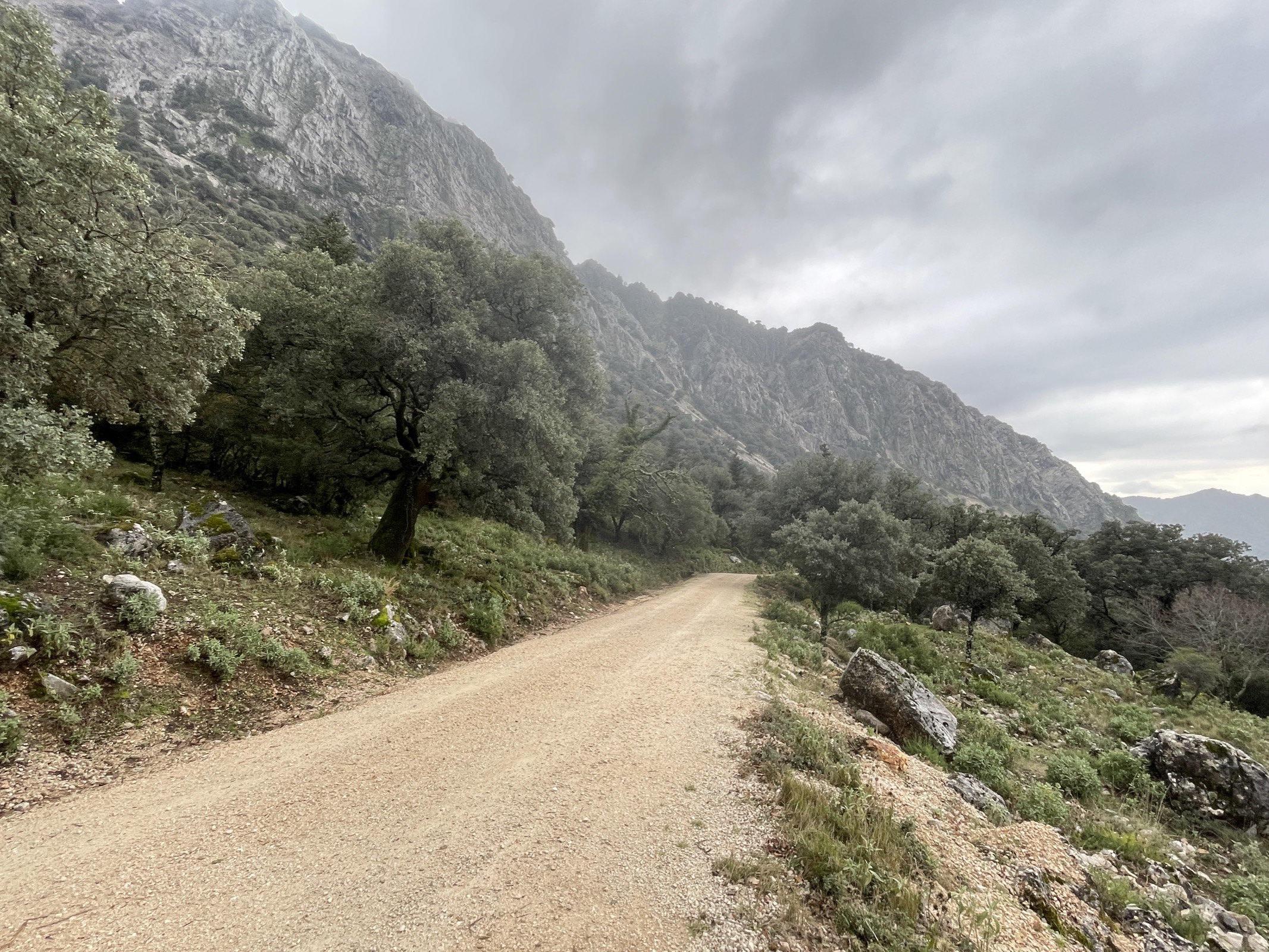
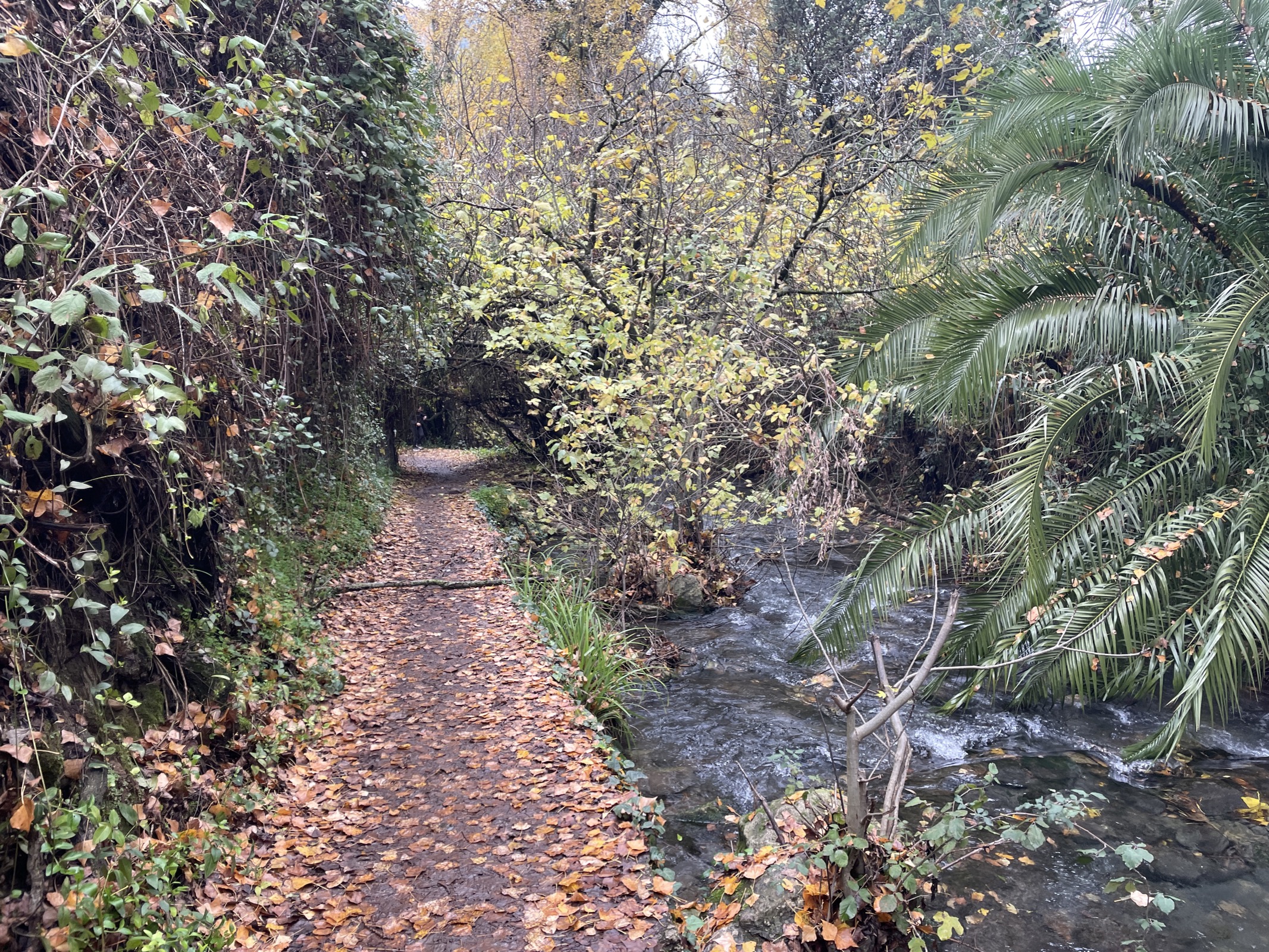
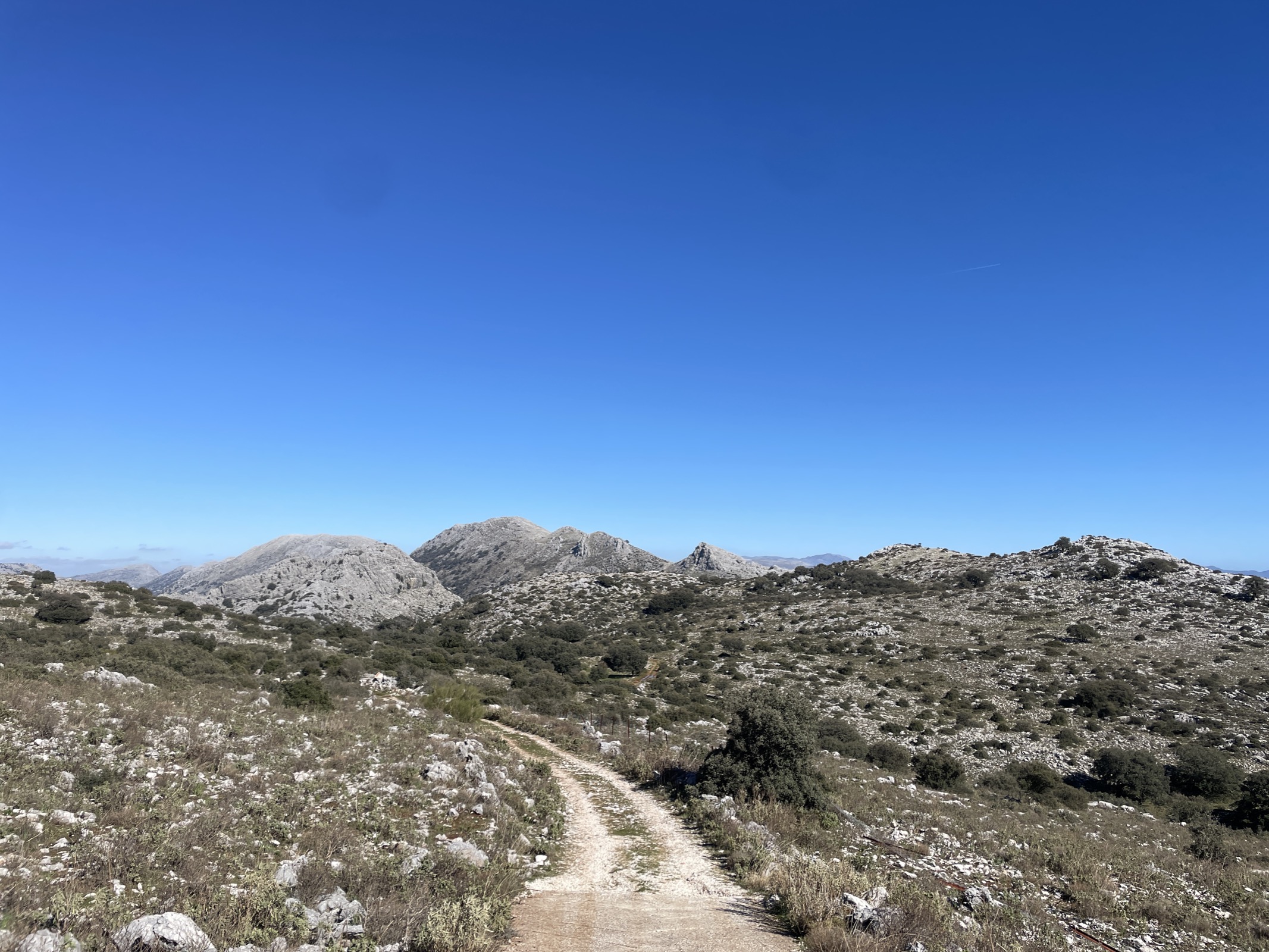
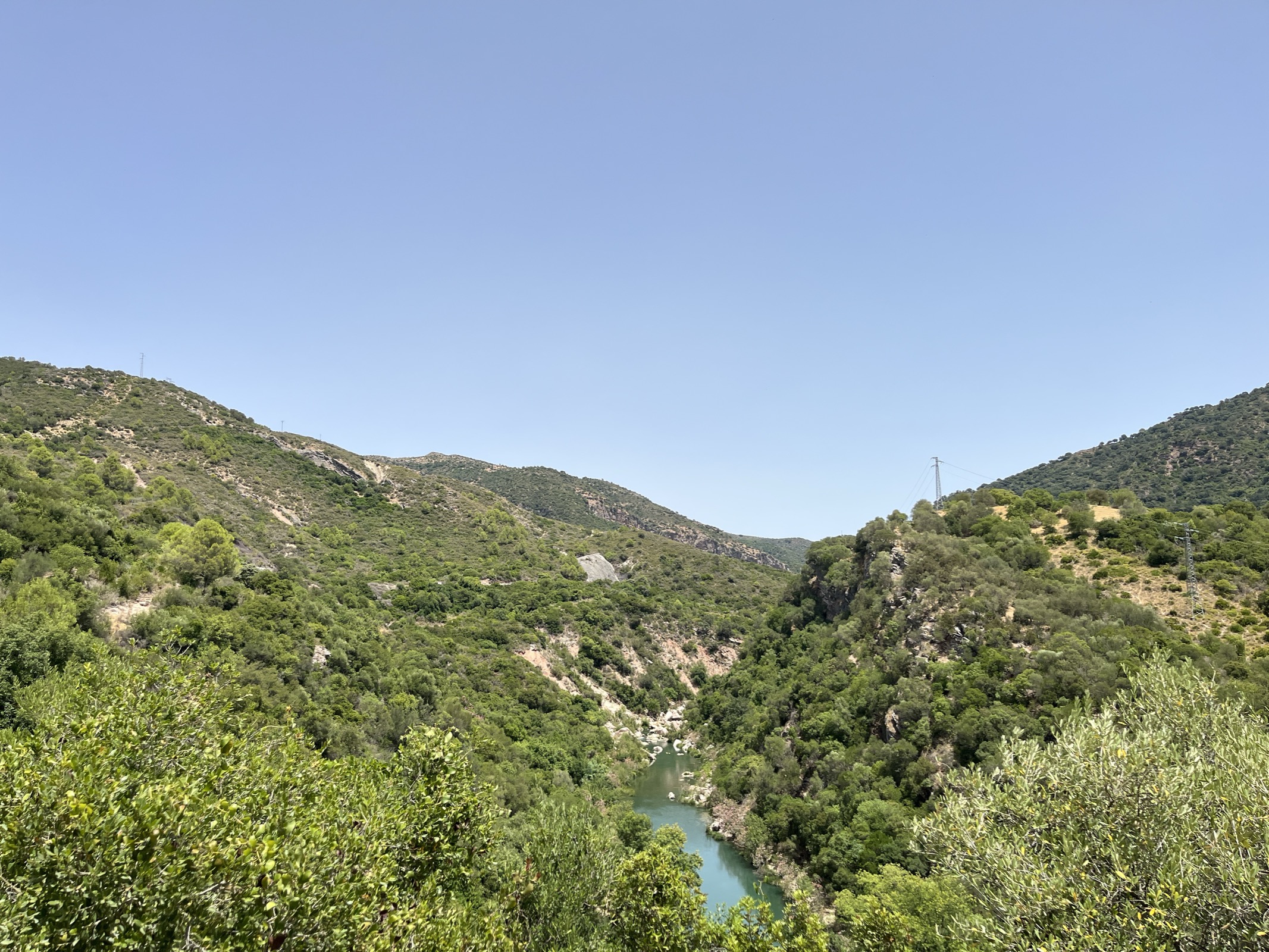
The biggest draw of a place like Cortes was to be outside. Cortes sits right on the border of two parques naturales: Los Alcornocales, one of the largest cork oak forests in Europe, green and shaded even at the height of summer; and the Sierra de Grazalema, one of the wettest places in Spain, a dramatic limestone range that's home to the pinsapo, the Spanish fir, a relic species that survives almost nowhere else on Earth.
So naturally I spent my time exploring. Running, cycling, gravel biking, hiking. And the more I explored, the more I wanted from the data my sports watch was recording. Strava is amazing, what a tool, but I wanted more. So I built Datavata, and every itch that came from being out in the Serranía de Ronda turned into a feature.
I wanted to know which peaks I'd climbed and which I hadn't, so I built a peak bagger. My obsession is covering all terrain, all roads, all trails, I want to see it all, so I built a route planner that overlays my previous activities heat-map style and lets me plan through the gaps. I was covering more elevation than I had in years and wondered how it stacked against the past, so I built progress and comparison charts. And around here you pass through different microclimates on a single ride, one valley dry while the next is soaked, so I built the weather into the route planner, to see whether a hundred kilometre loop is better tackled clockwise or anticlockwise, to catch the wind right or dodge a band of rain.
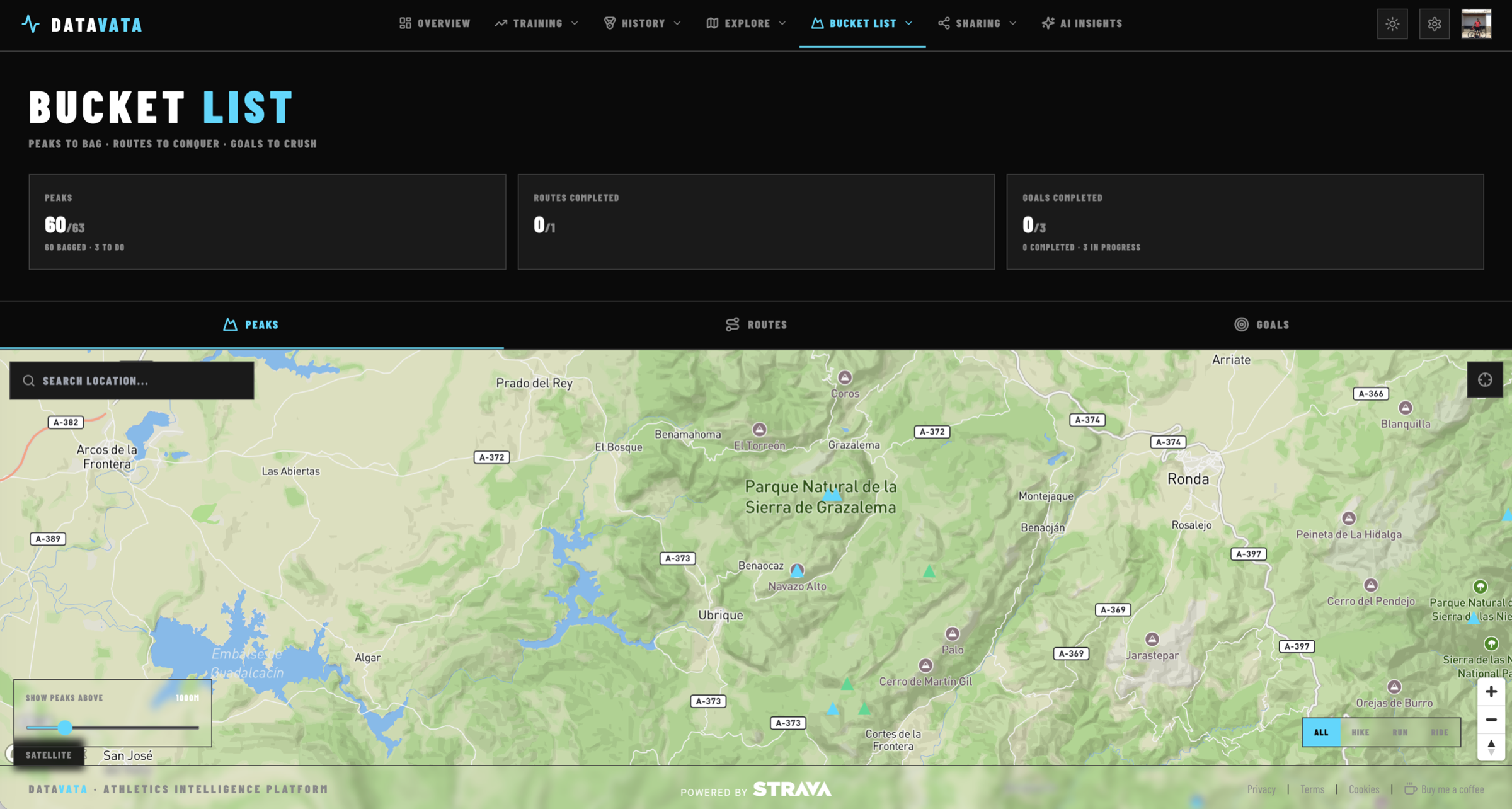
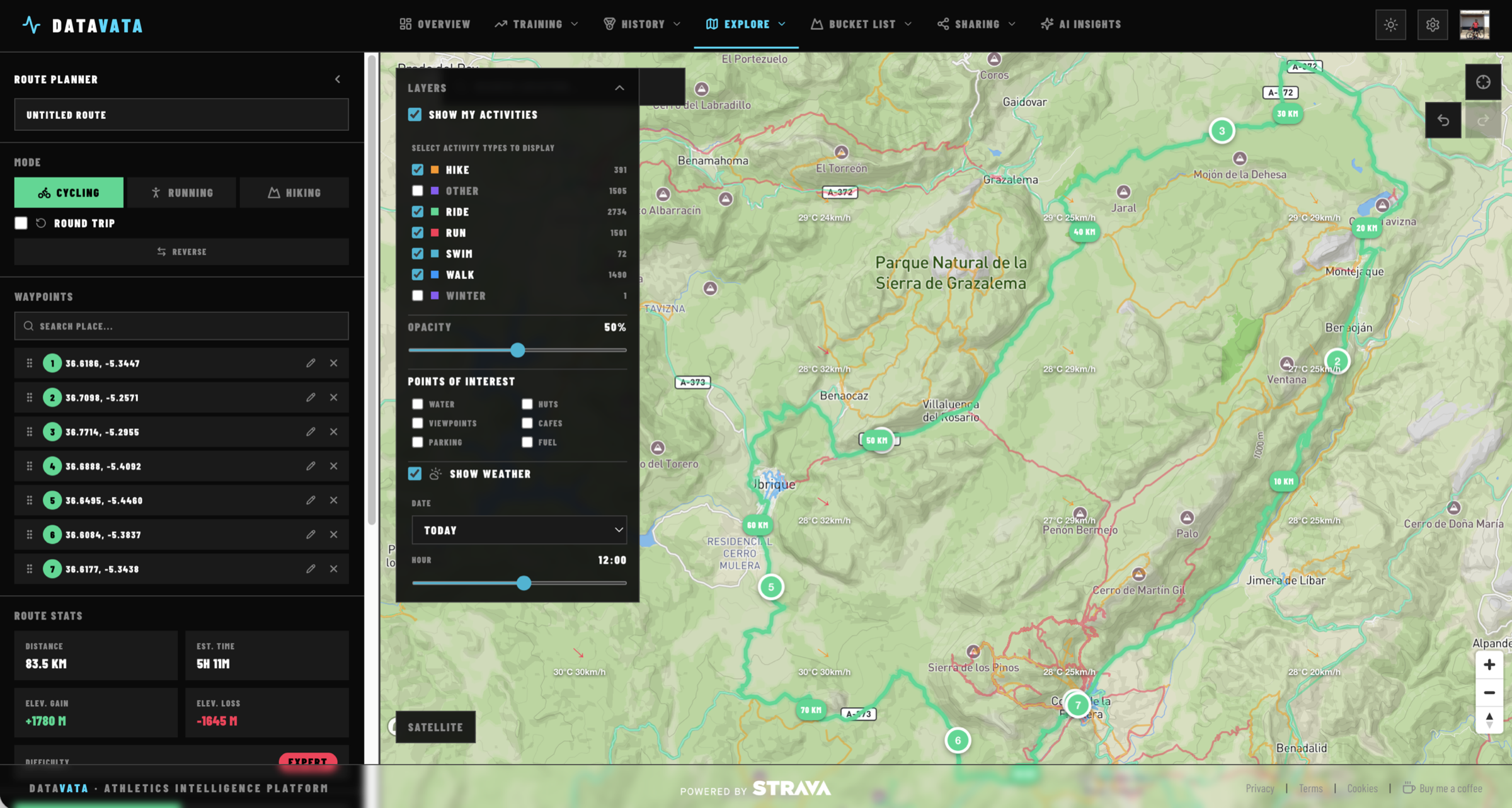
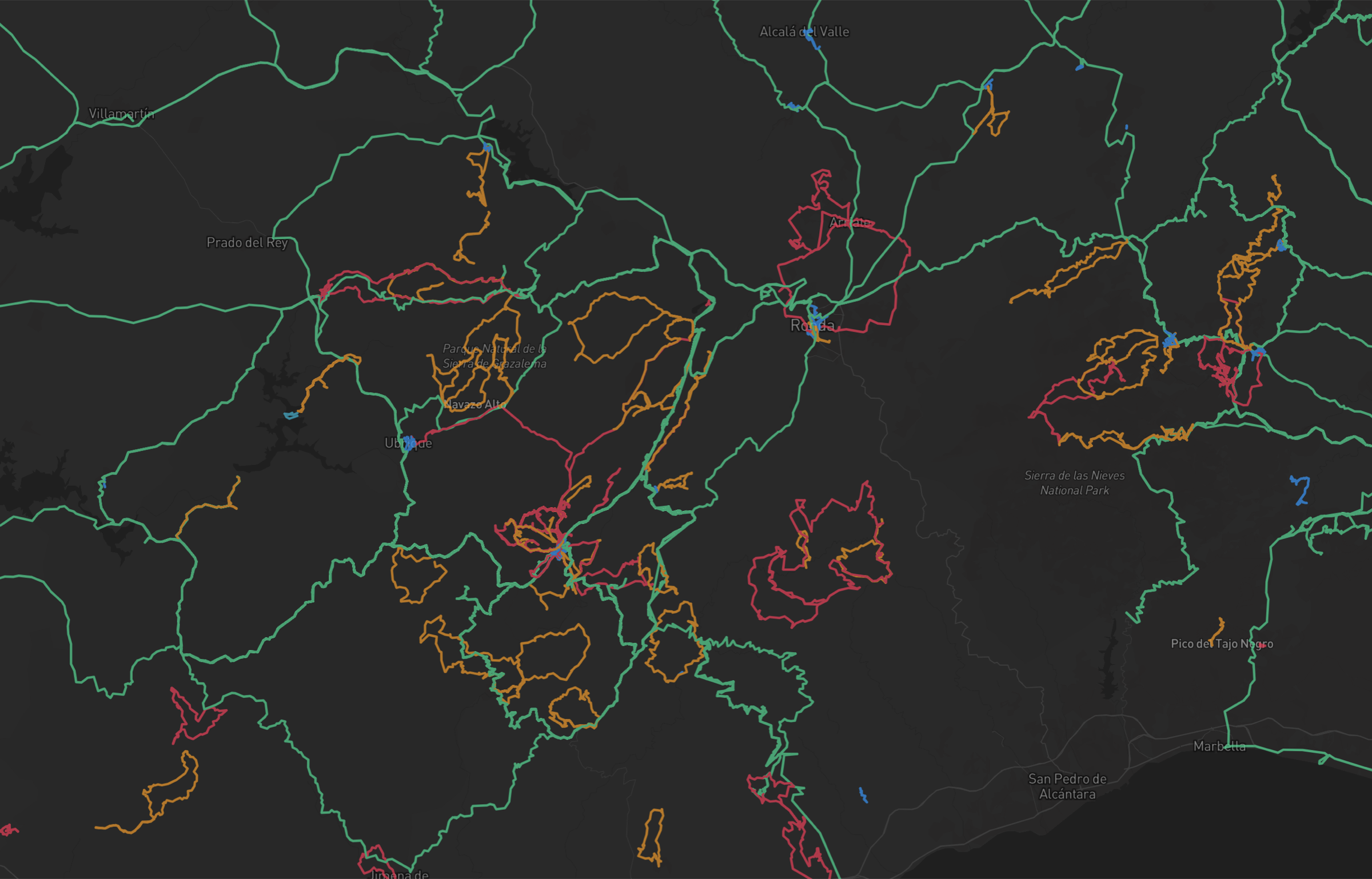
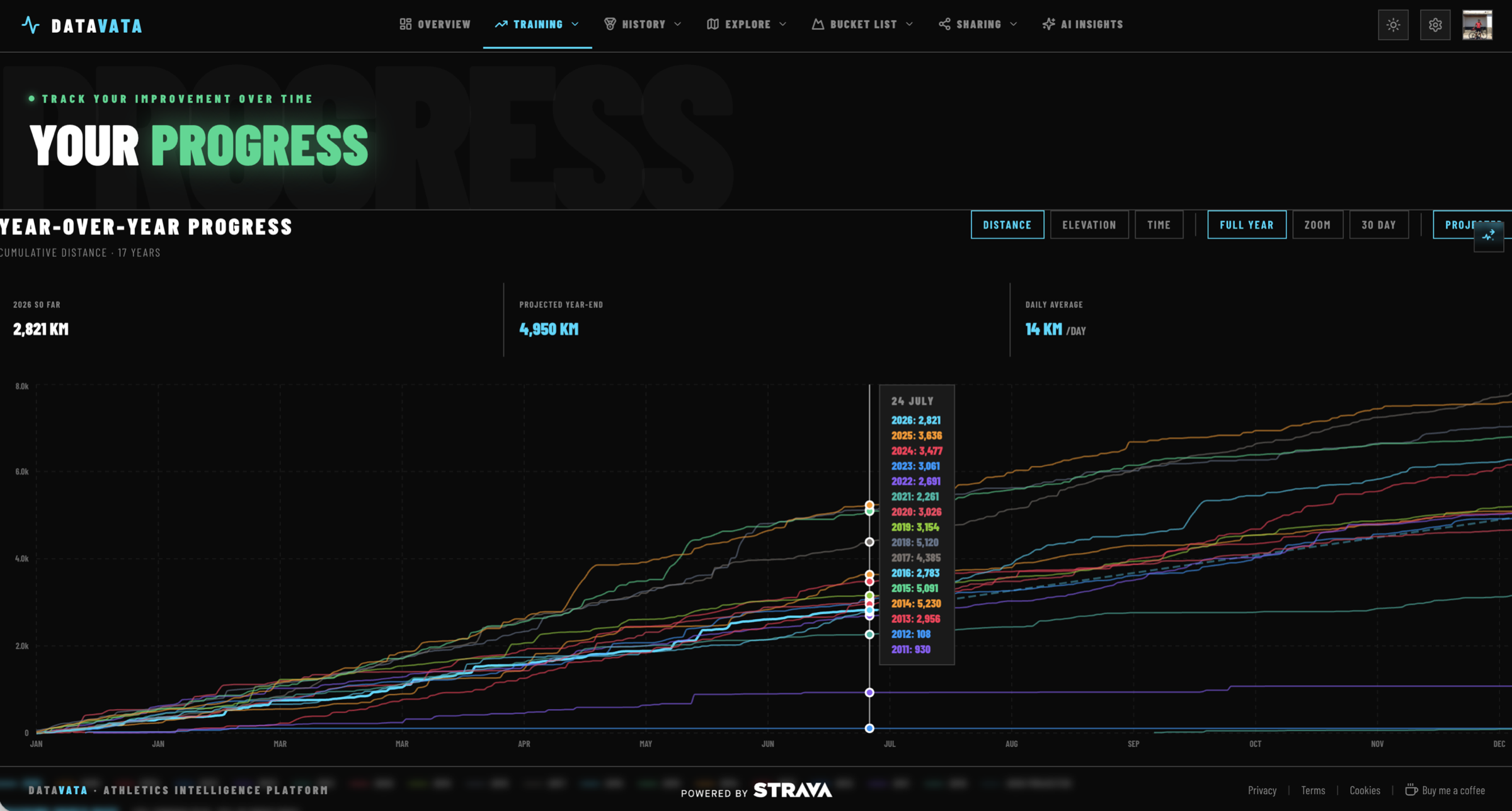
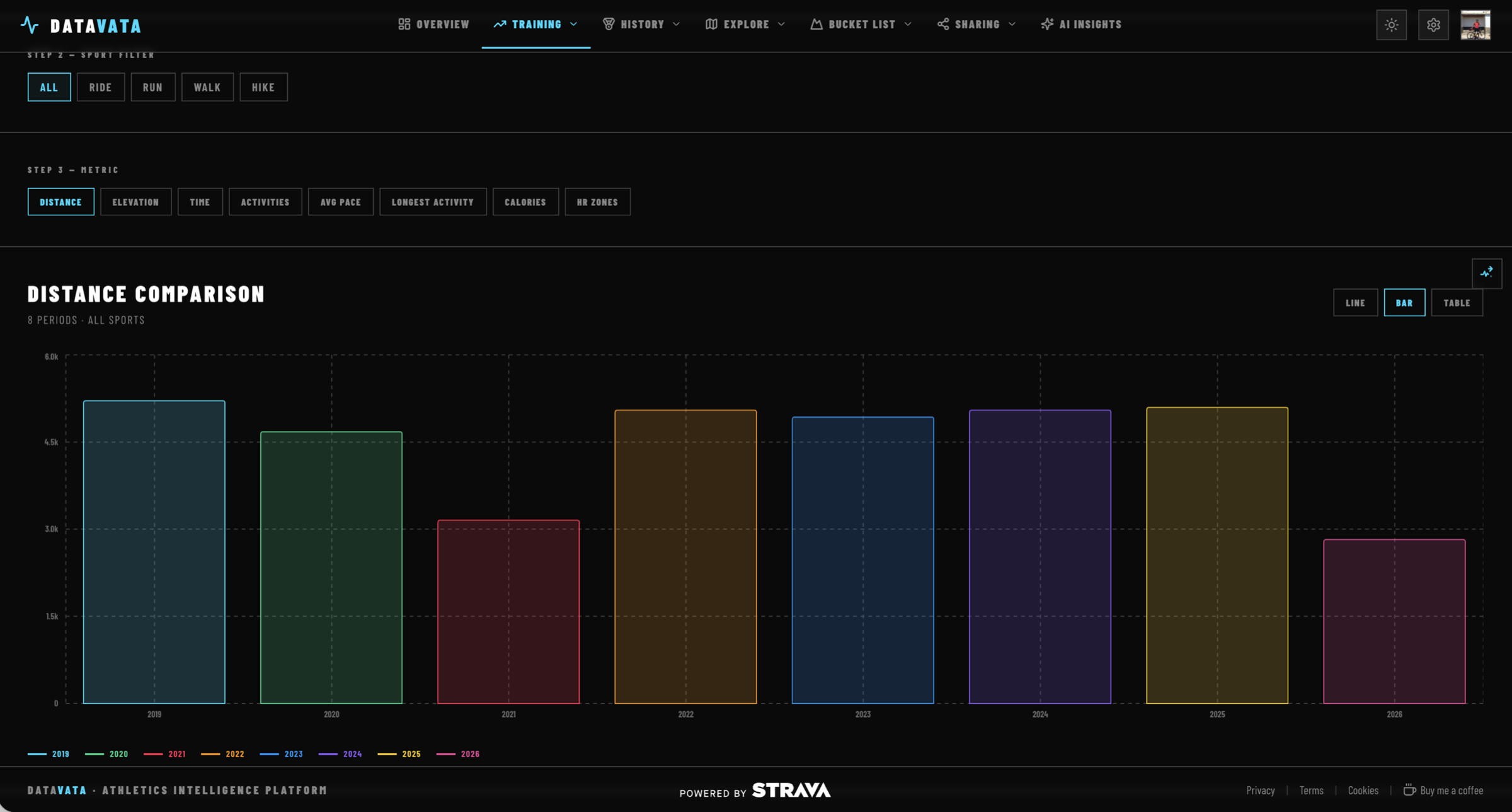
Datavata is now a big thing. Too big, honestly. What started as a humble project to give me insights has turned into a monster, so much useful data and analysis that it's become daunting, and I'm not happy with the aesthetic. To be continued. Feel free to check out the behemoth that is Datavata here: www.datavata.app
The dip, and AgniAtlas
There were a couple of weeks during spring where I felt a dip in my energy and was lacking the motivation to get out running and cycling as I normally would. This prompted me to look at my diet in a little more detail, which I'd never really done. I've always been fit and active and never thought much about food. After seeing the effect of Ayurveda firsthand during six weeks in Sri Lanka last year, I wanted to understand my dosha, my Ayurvedic constitution, and what it could tell me about the right foods, the right timing, what to avoid. The research turned into adjustments, and the adjustments worked: more energy, less fatigue, better sleep, better digestion.
That led to AgniAtlas, a conversational platform that asks a structured series of questions about your constitution, digestion, sleep, energy and temperament, then generates a personalised dosha profile with dietary and lifestyle recommendations. Same instinct as Datavata, really: a question about myself I couldn't easily answer anywhere else, so I built the thing that could answer it.
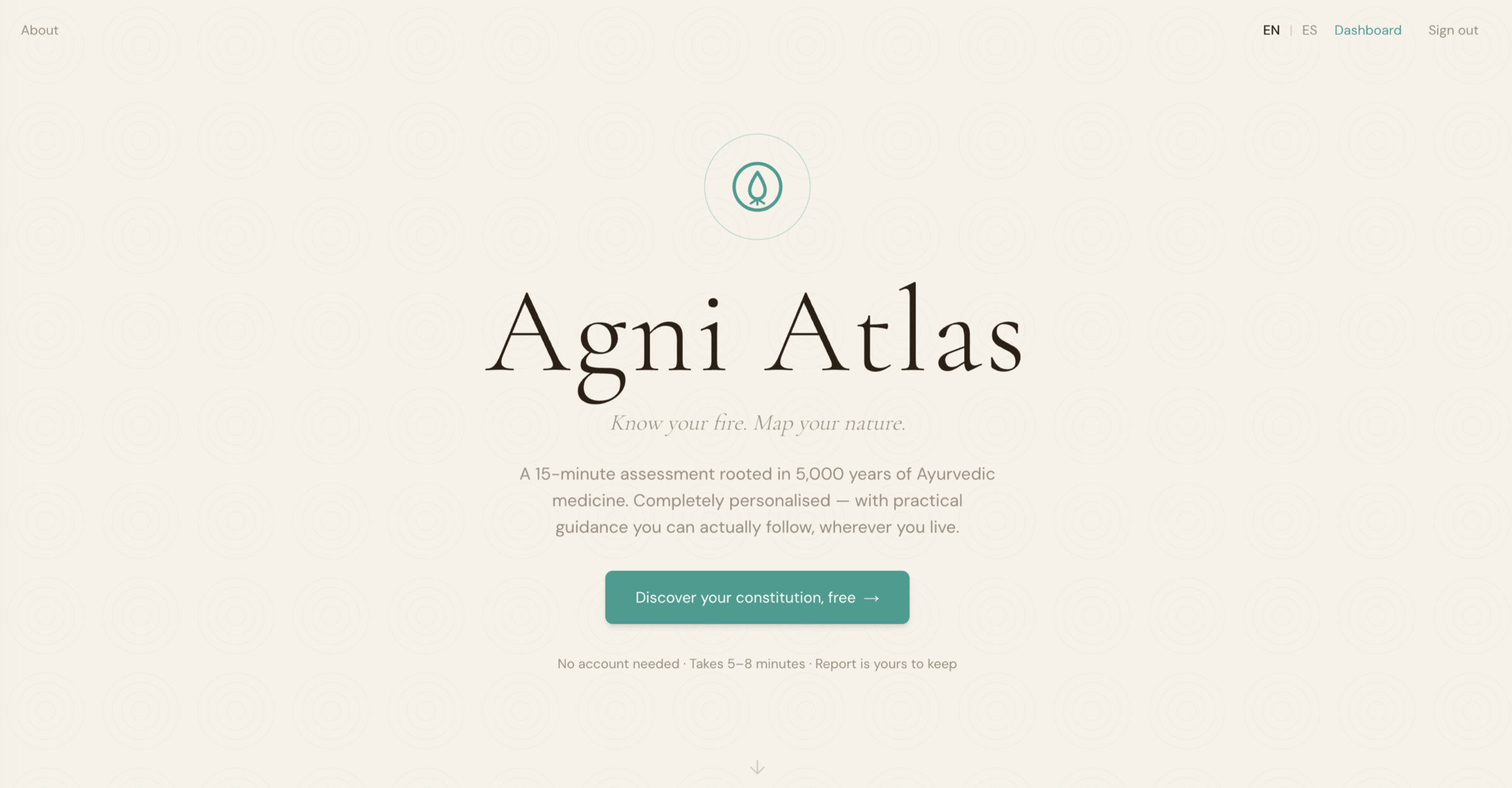
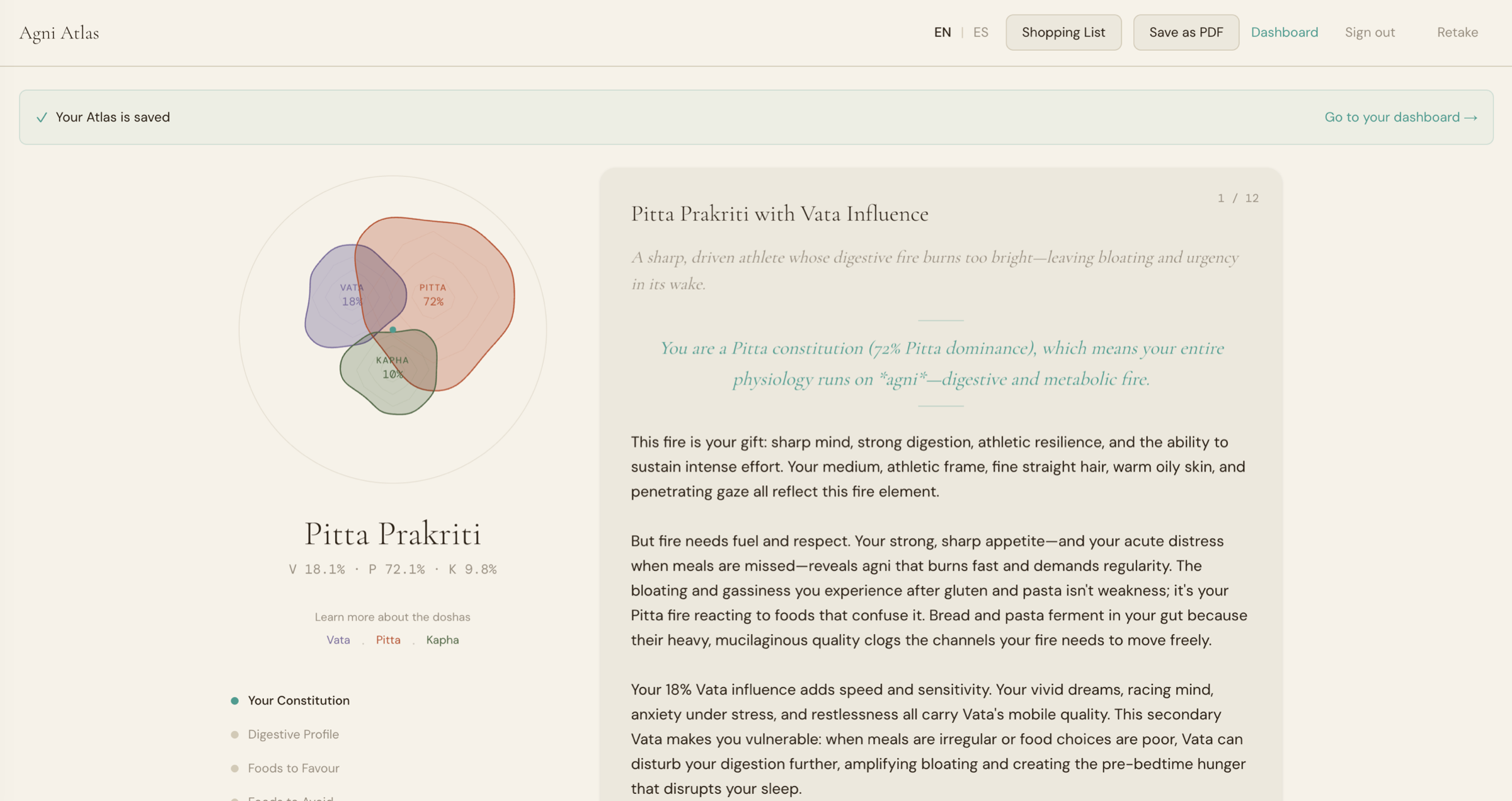
Separate blog post about AgniAtlas coming soon. For now, check out the tool. You will learn something very useful about yourself with it.
The rest of the building
Along the way I built websites for others, which became Digital Frontera, an umbrella for offering affordable sites to local companies. I know firsthand what agencies charge, when I set up Feetus in 2012, before Shopify existed, I paid £10,000 for an e-commerce website.
More recently I started looking at what employment was actually out there, first time in years, and found the whole process so cumbersome that I built my way around it. Career Frontera is my own personal job seeking platform: it runs a search against my criteria every day at 10am, scores every listing out of 100, and shows me only what's worth looking at. Far more efficient than trawling job boards.
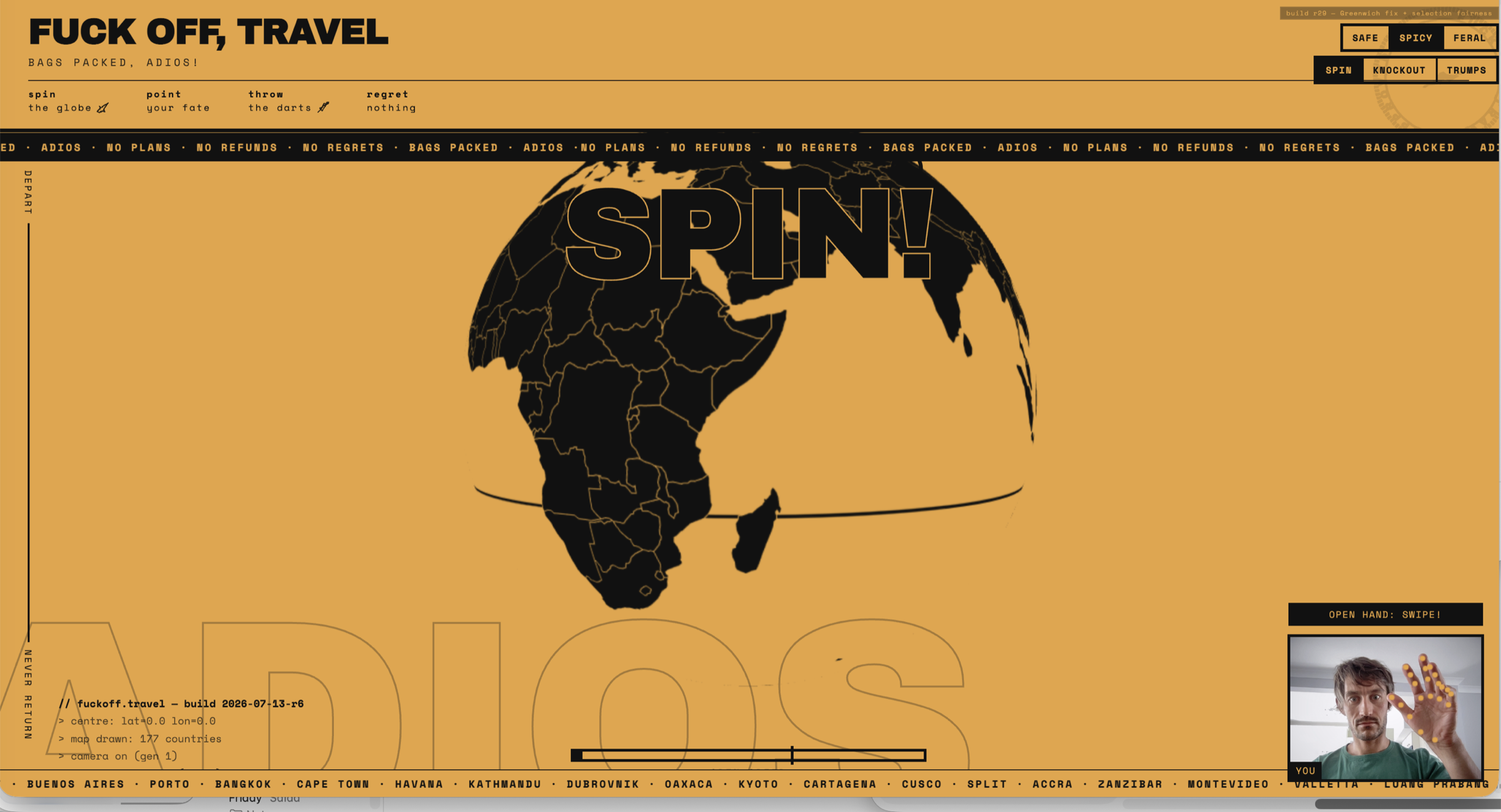
And lately, inspired by my talented friend Poki, who makes motion design and recently did some seriously impressive work with camera-controlled hand-gesture interaction, beautiful work, though it made me wonder what tools like that could do if pointed at something useful, I started building Fuck Off, Travel. A brutalist, deliberately rebellious travel concept: instead of scrolling curated best-of lists, you find your next destination through chance and physical interaction. Spin a globe and throw a dart. Toss a coin into cups labelled with continents, then countries, then cities. Let chaos decide instead of an algorithm.
The body kept score too
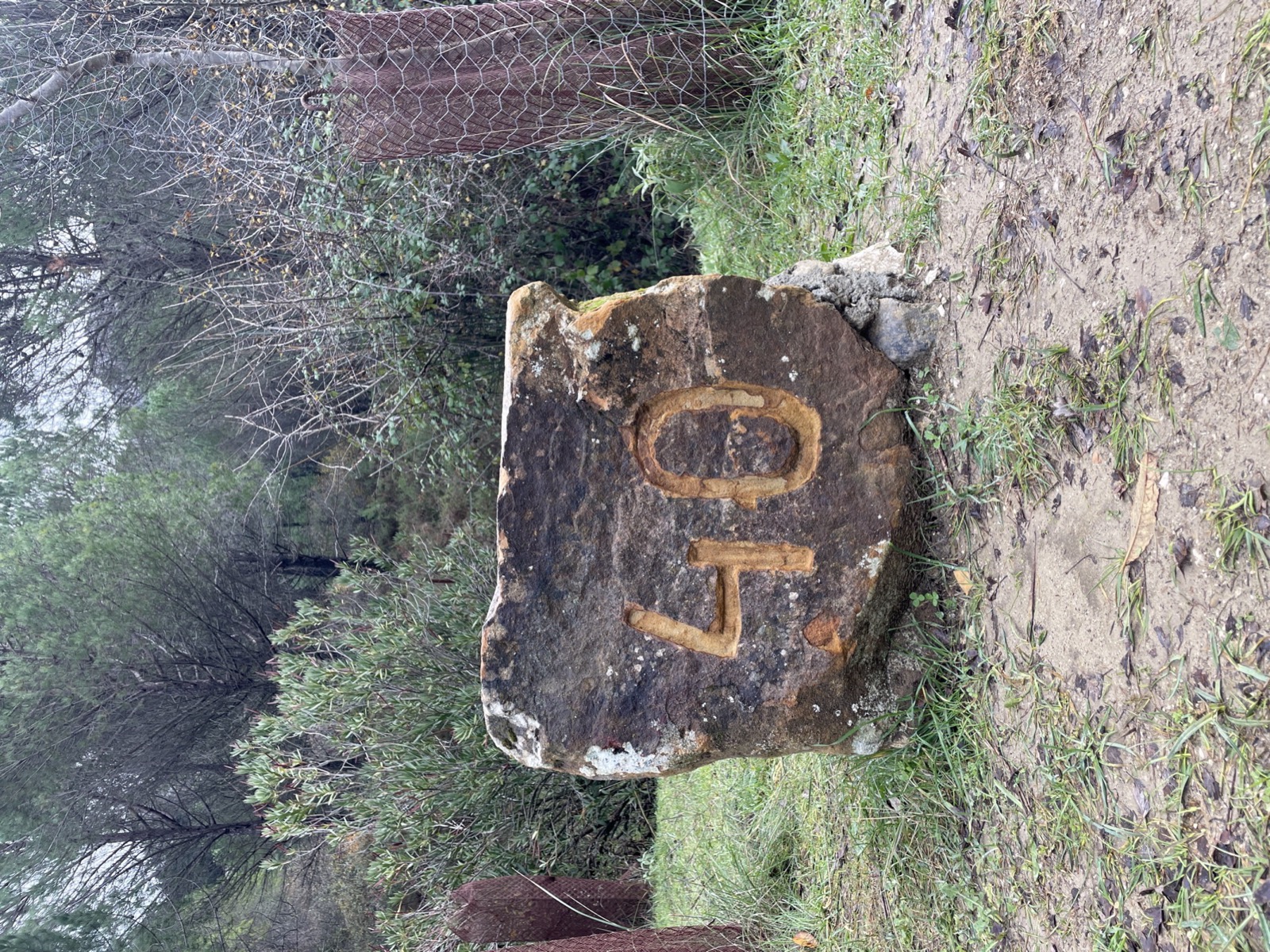
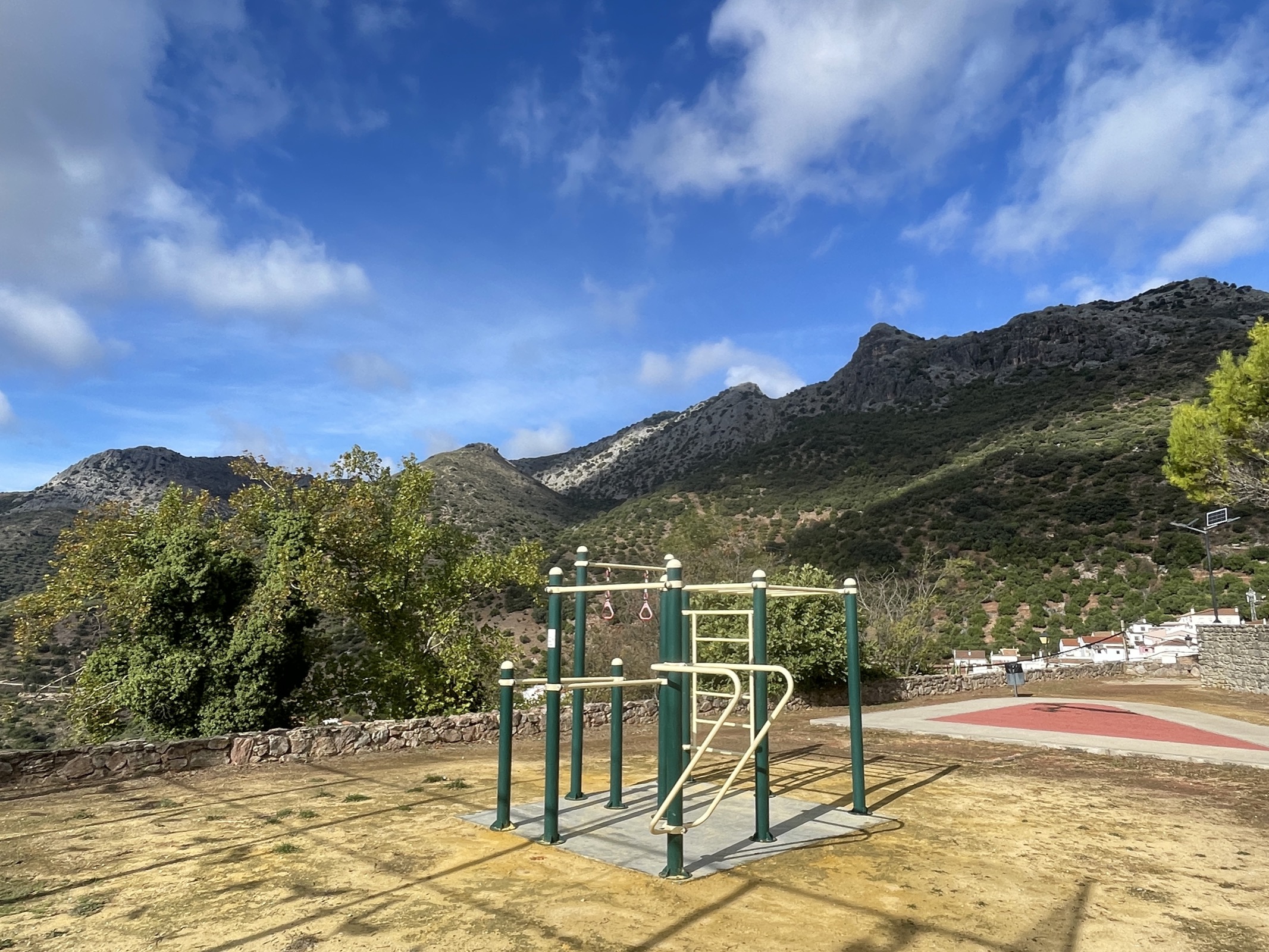
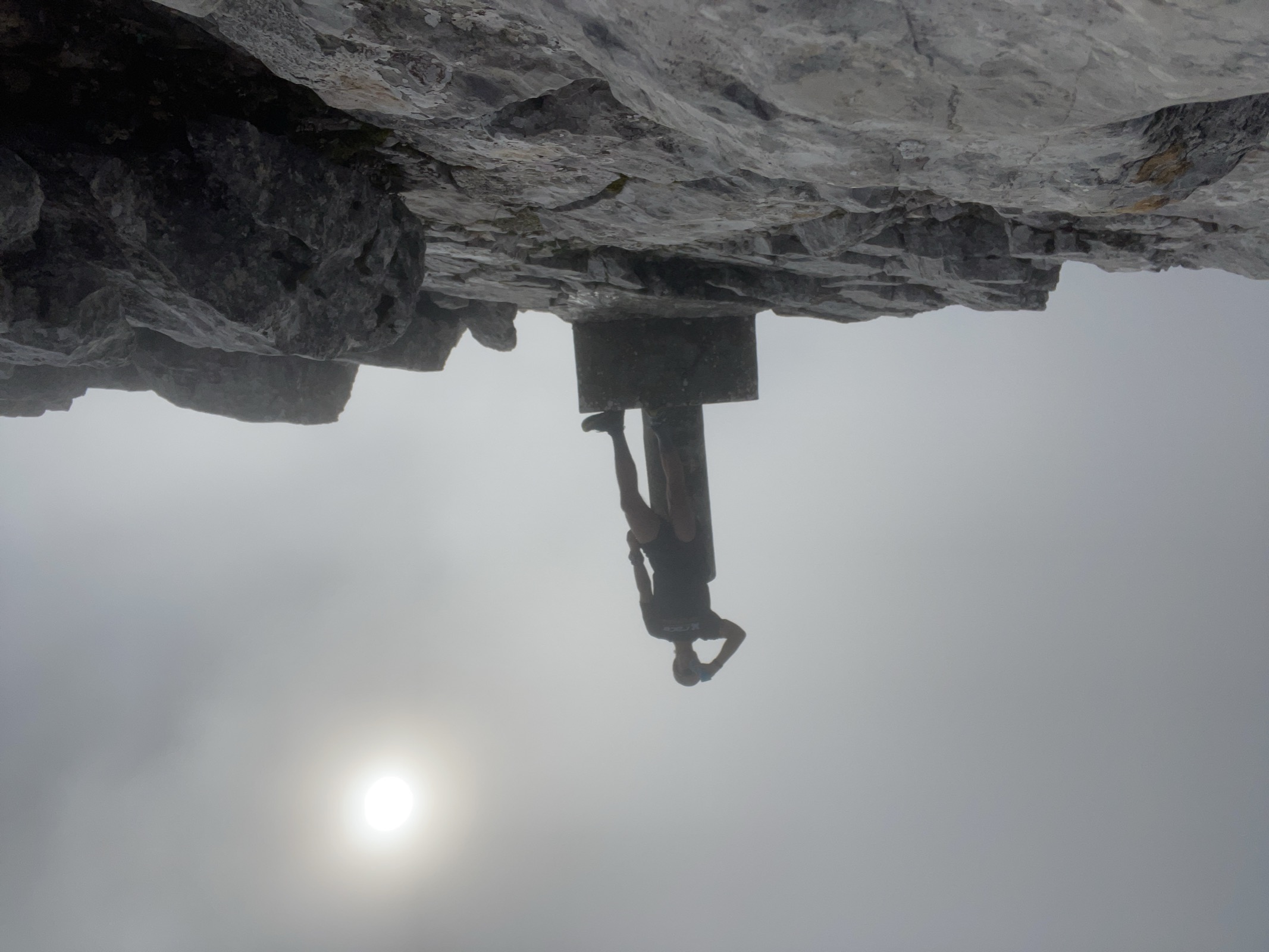
My fitness took a turn for the better this year. The foundation was already there, but athletically I'm fitter now, better endurance, feeling good at 40. Side story: for my 40th birthday in December, I ran and hiked 40 kilometres through the Sierra de Grazalema. Living here in this mountain pueblo, it's easy to stay in shape: Calisthenics park several times a week, yoga on the terrace, there's a gym in town, a climbing wall, and access to the mountain from my doorstep. There are no easy routes in these parts.
Other highlights from nine months
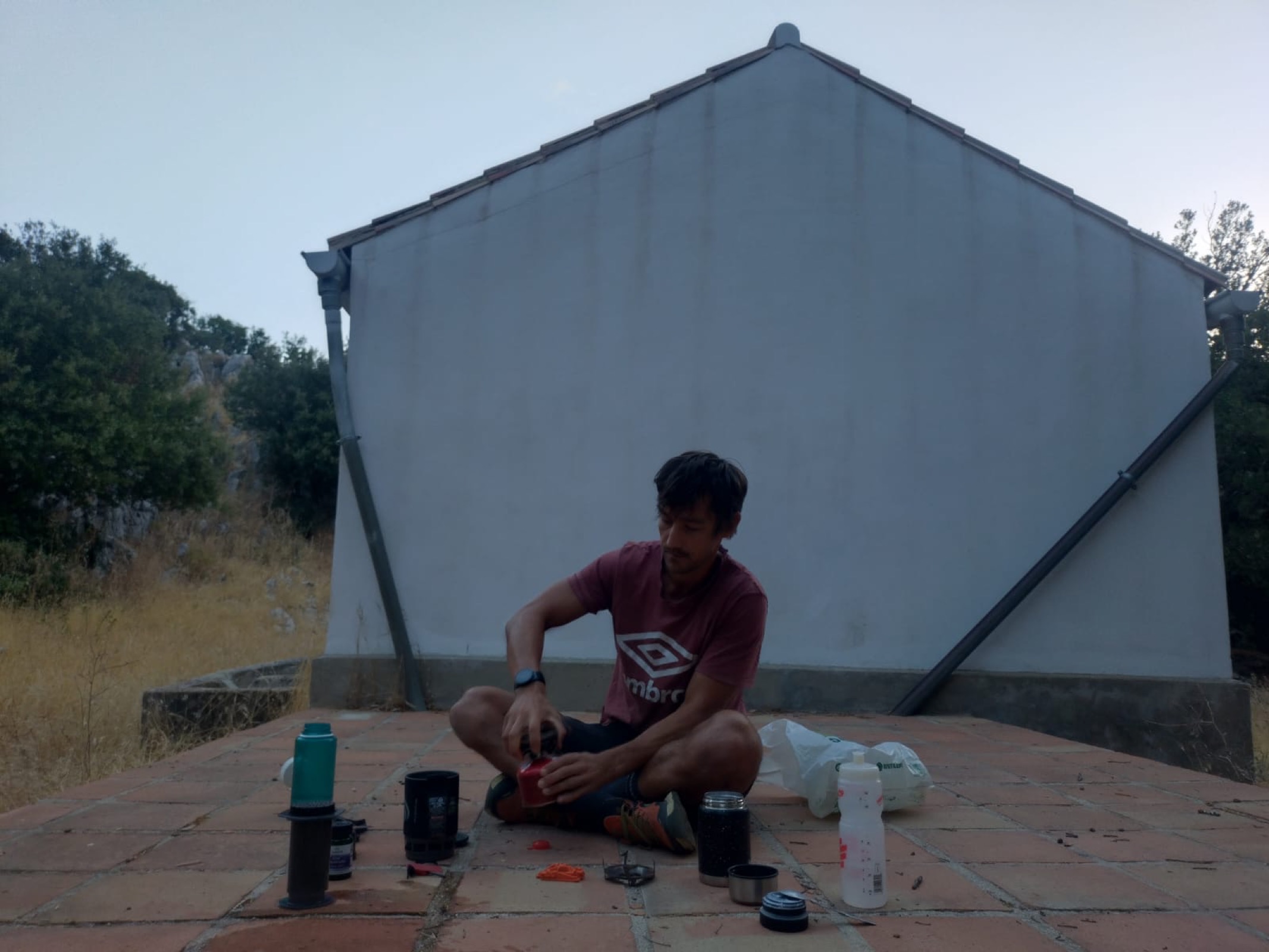
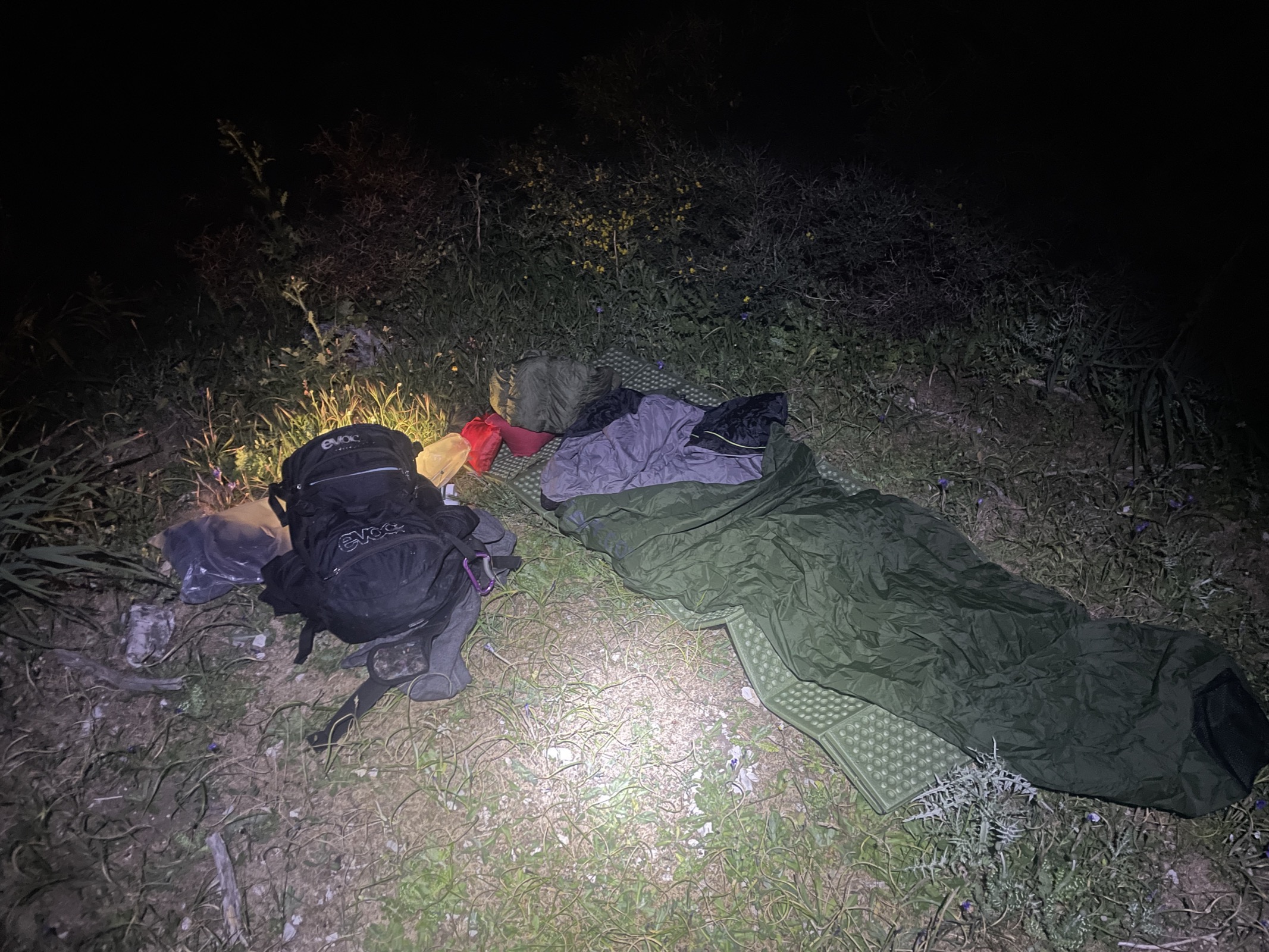
- Sleeping outside: in the mountains, in refugios, on the terrace
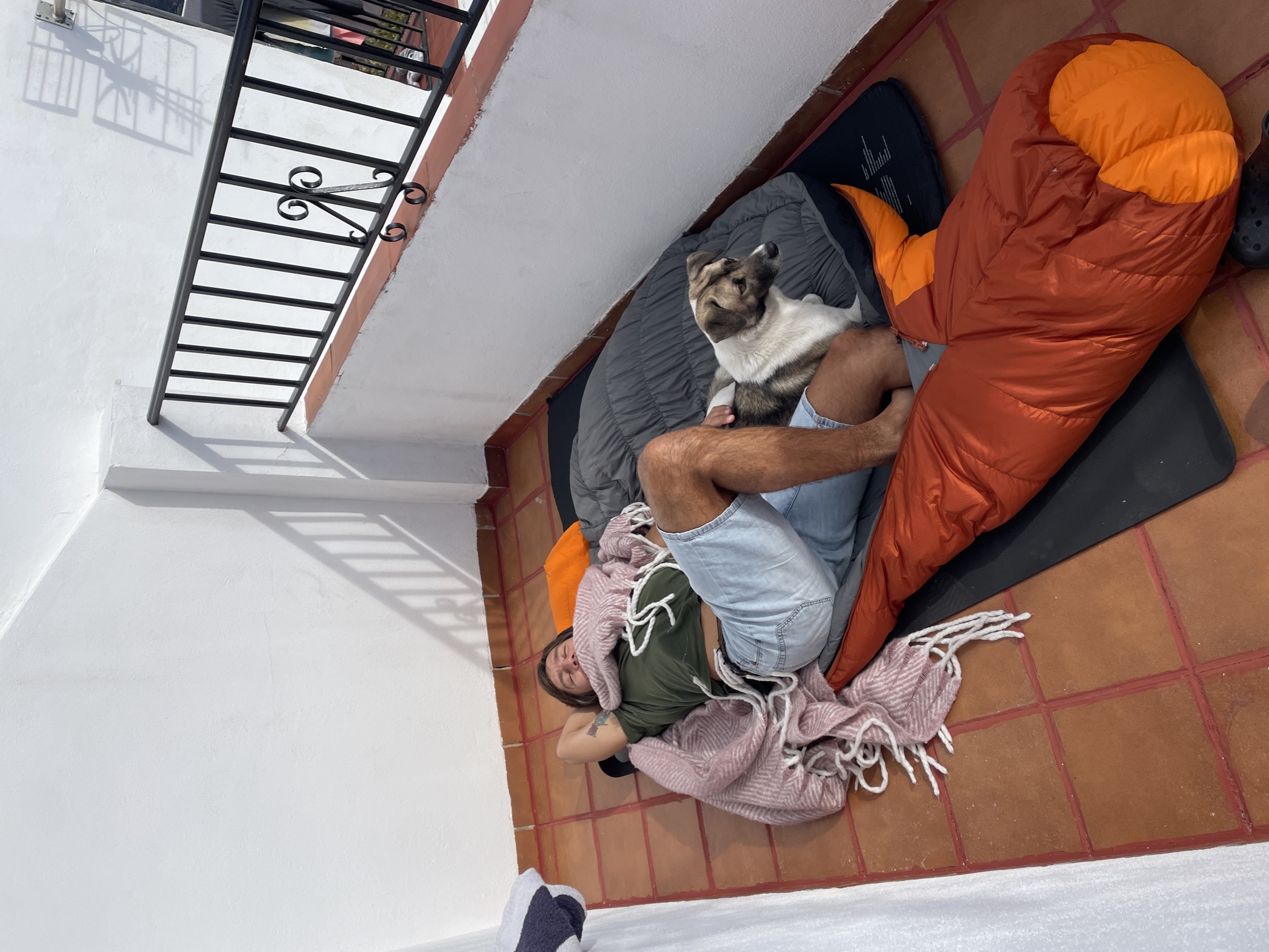
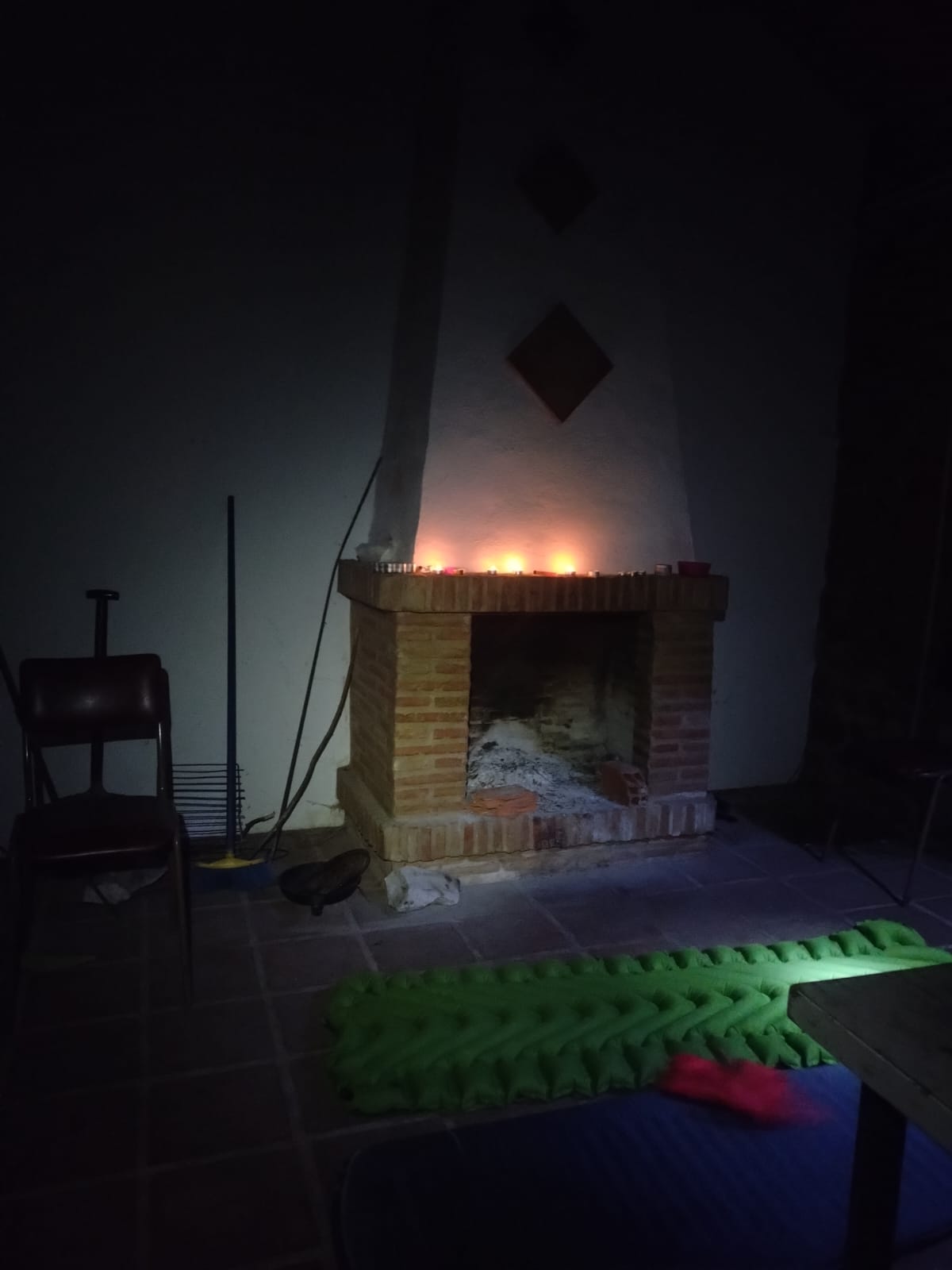
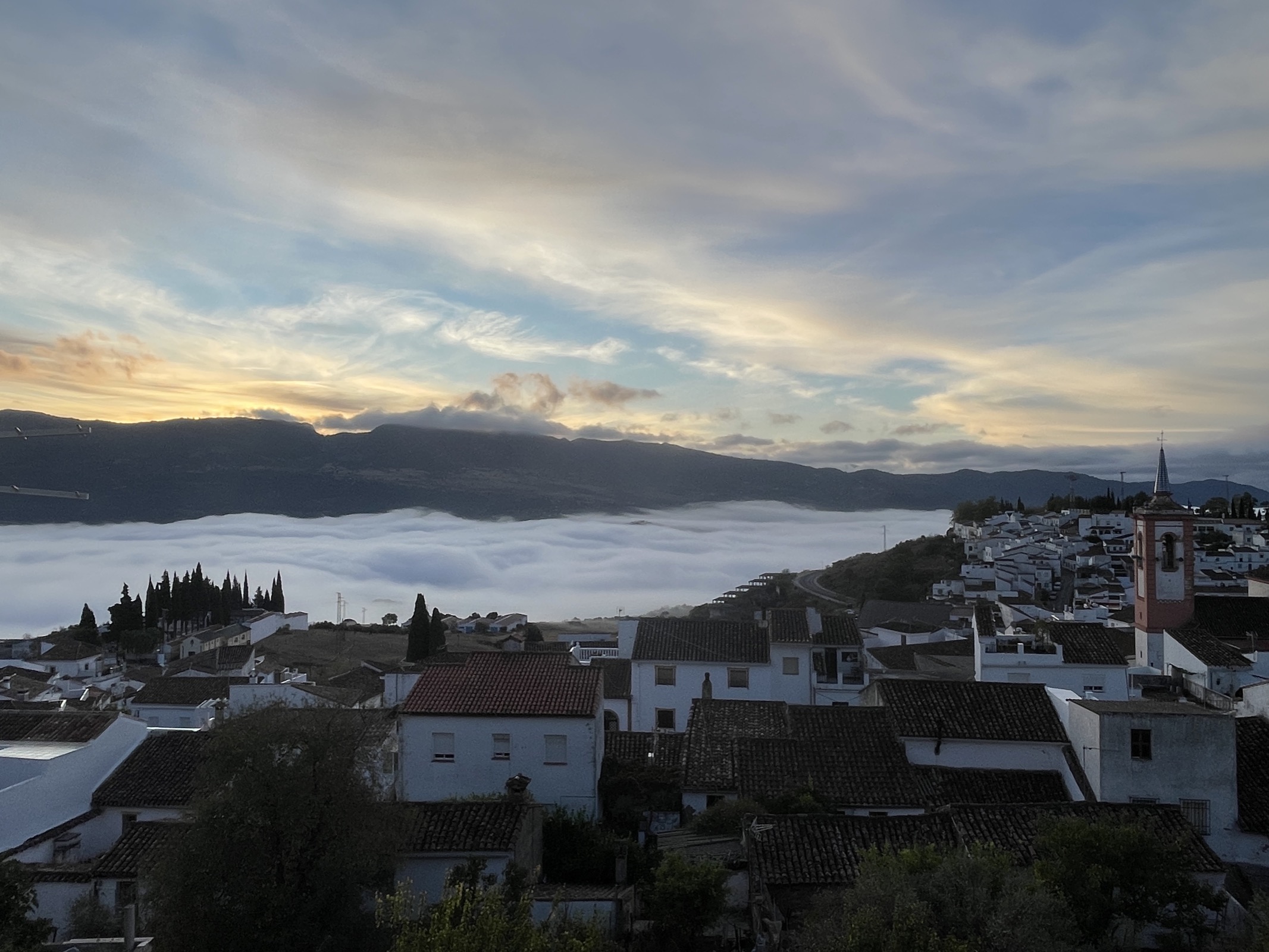
- The views and sunrises from the terraces of the house
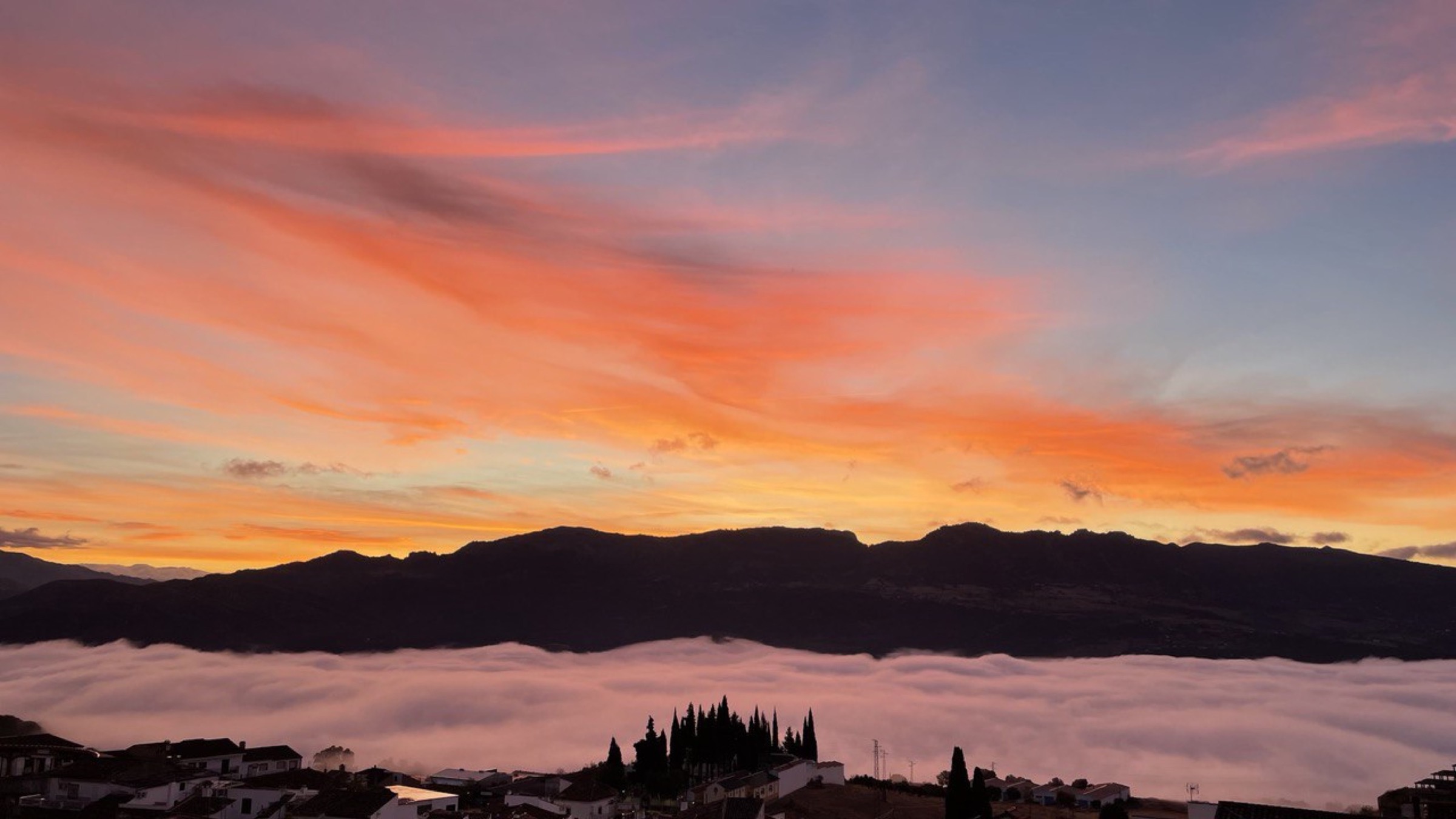
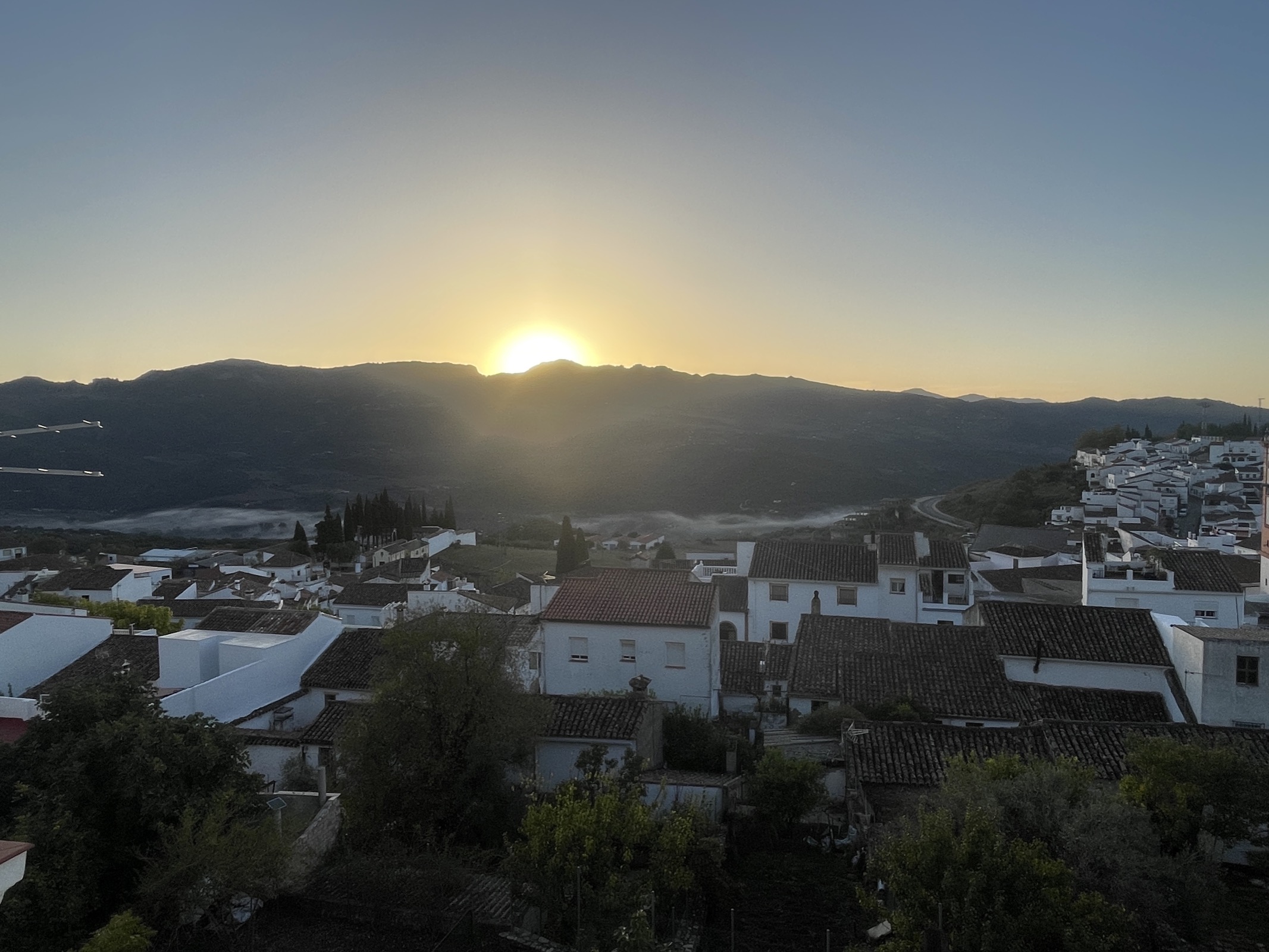
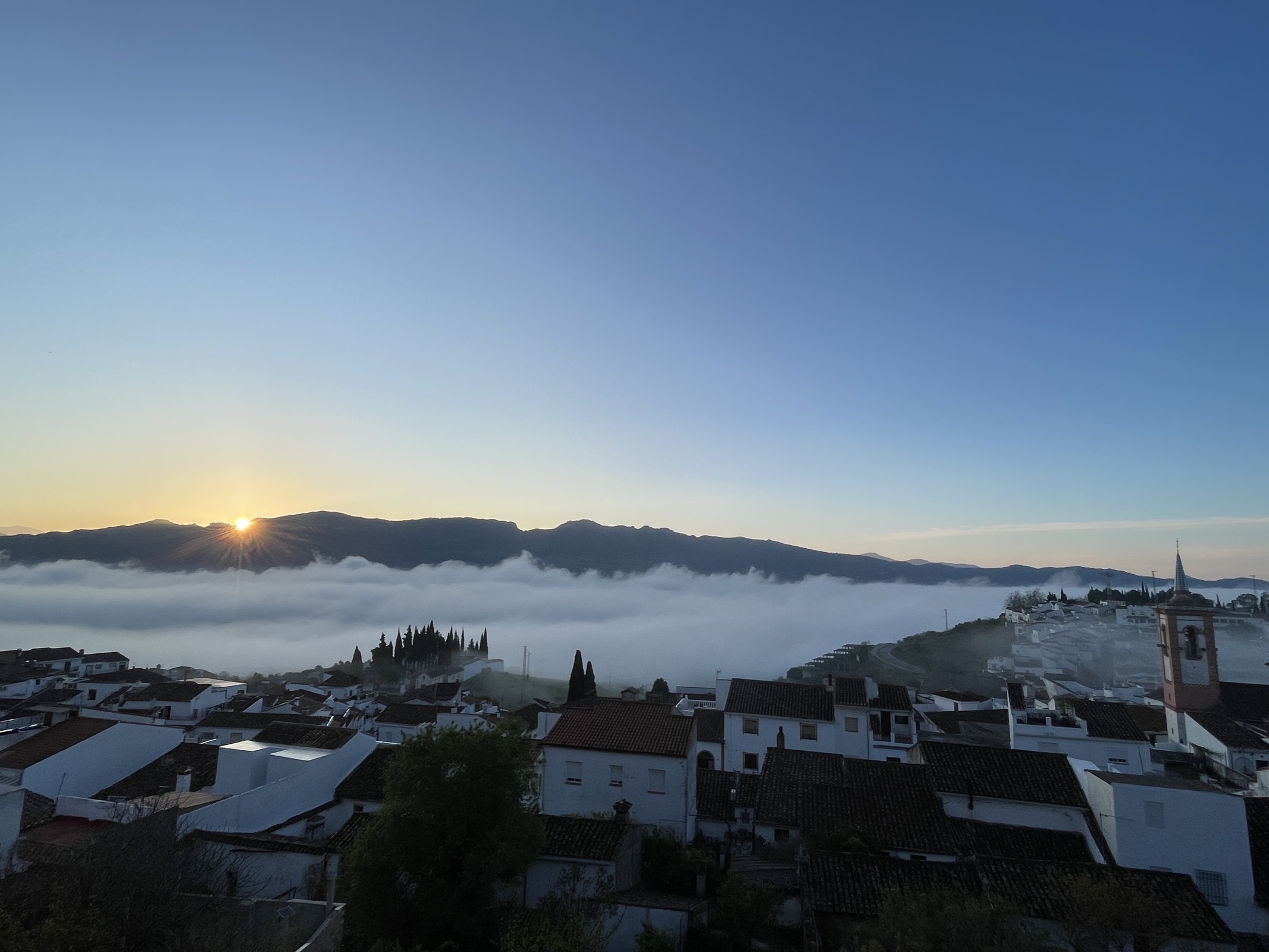
- The weekly circuits of Sierra de los Pinos
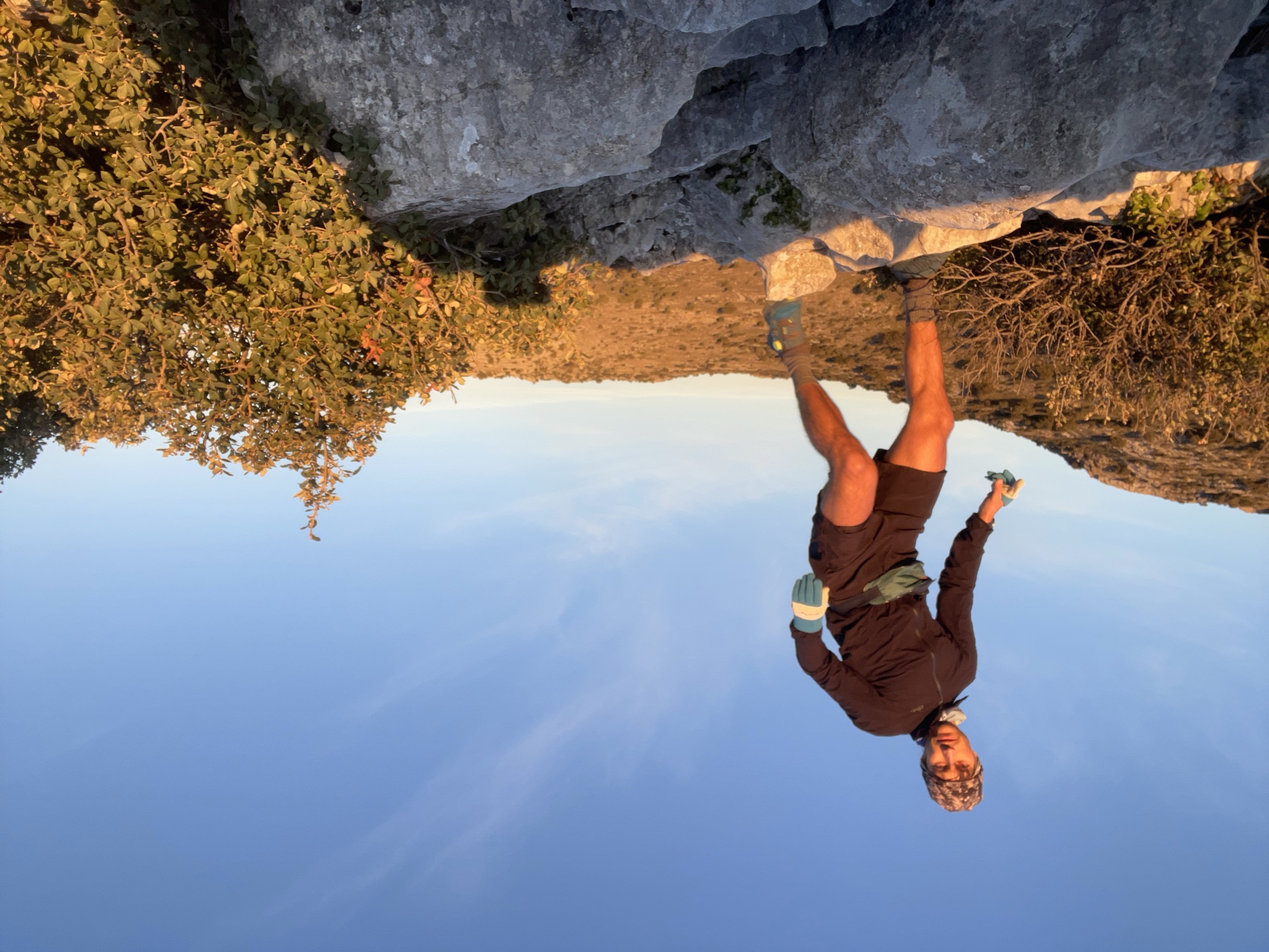
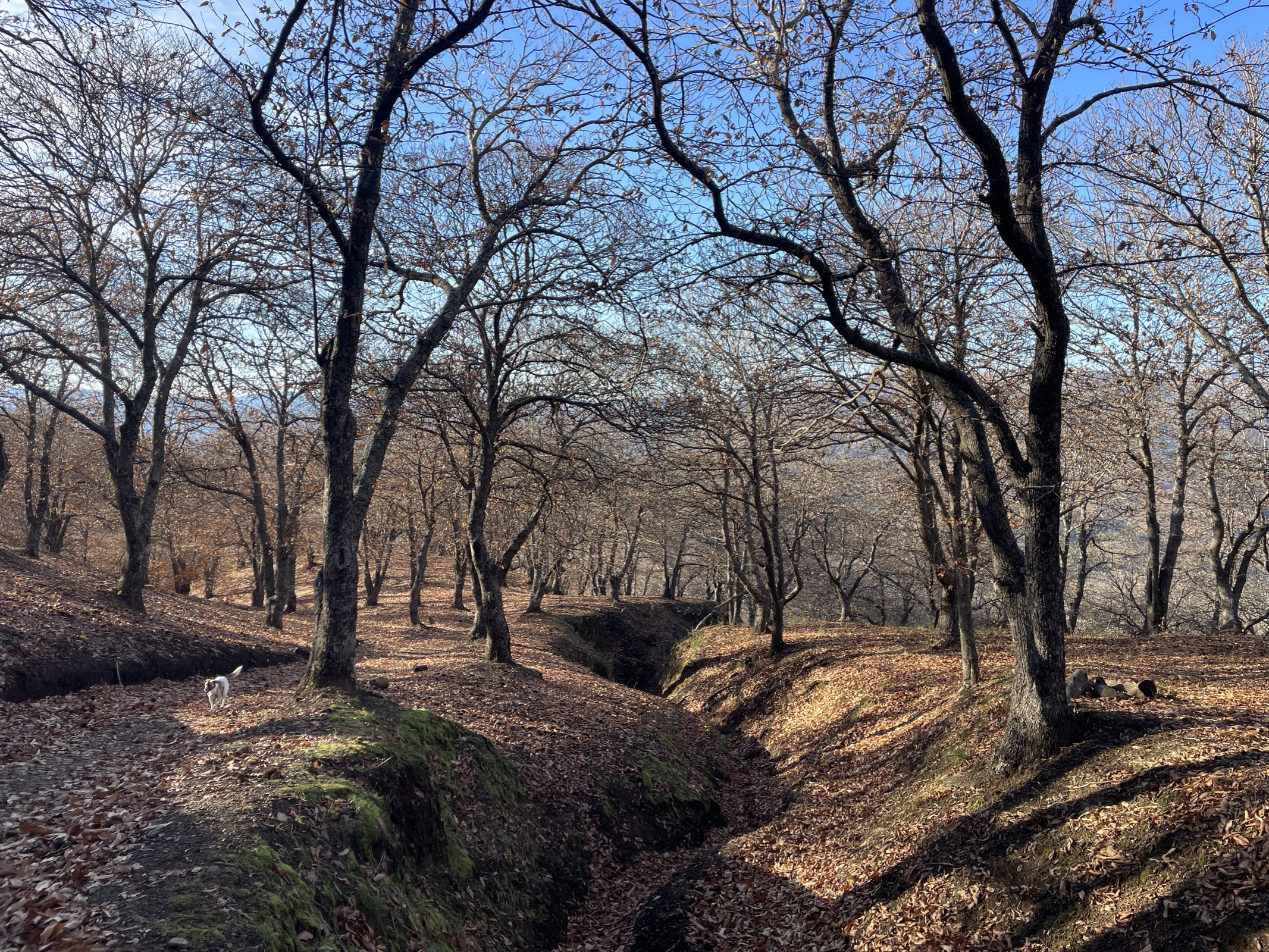
- Autumn in the Valle del Genal
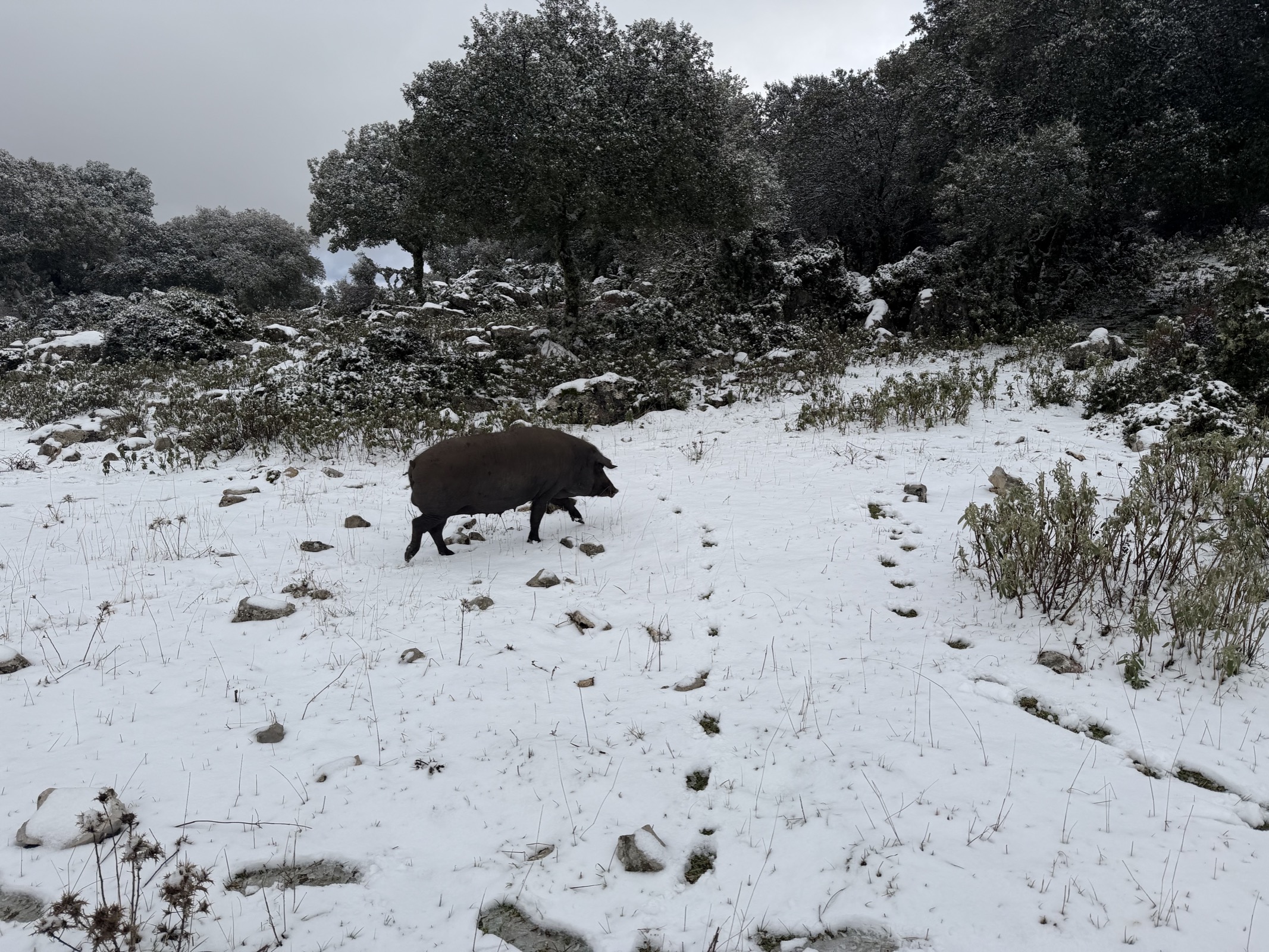
- Waking up to snow one morning and hiking in it, around Benaocaz
- Navigating the Río Guadiaro on inflatable rings
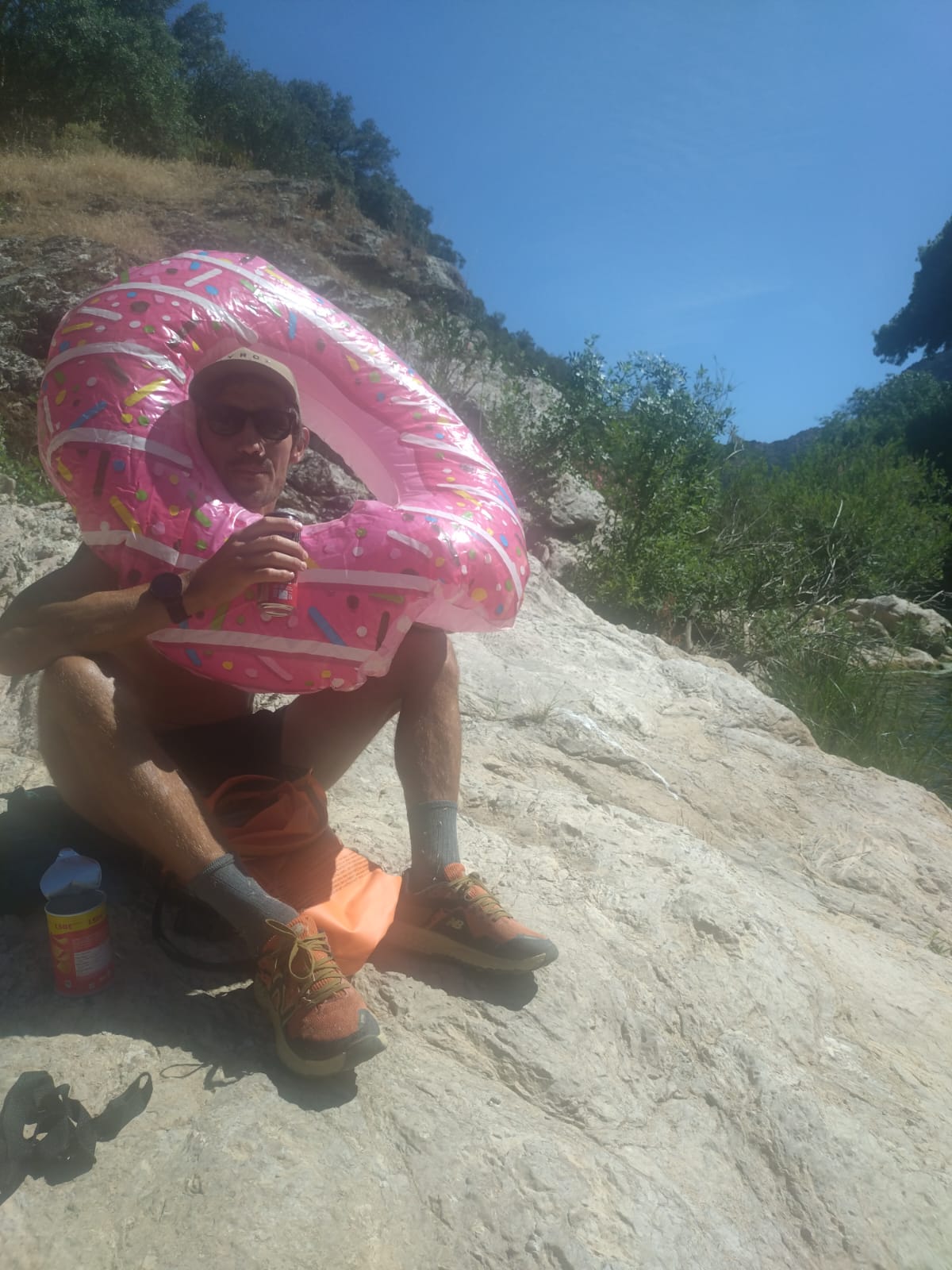
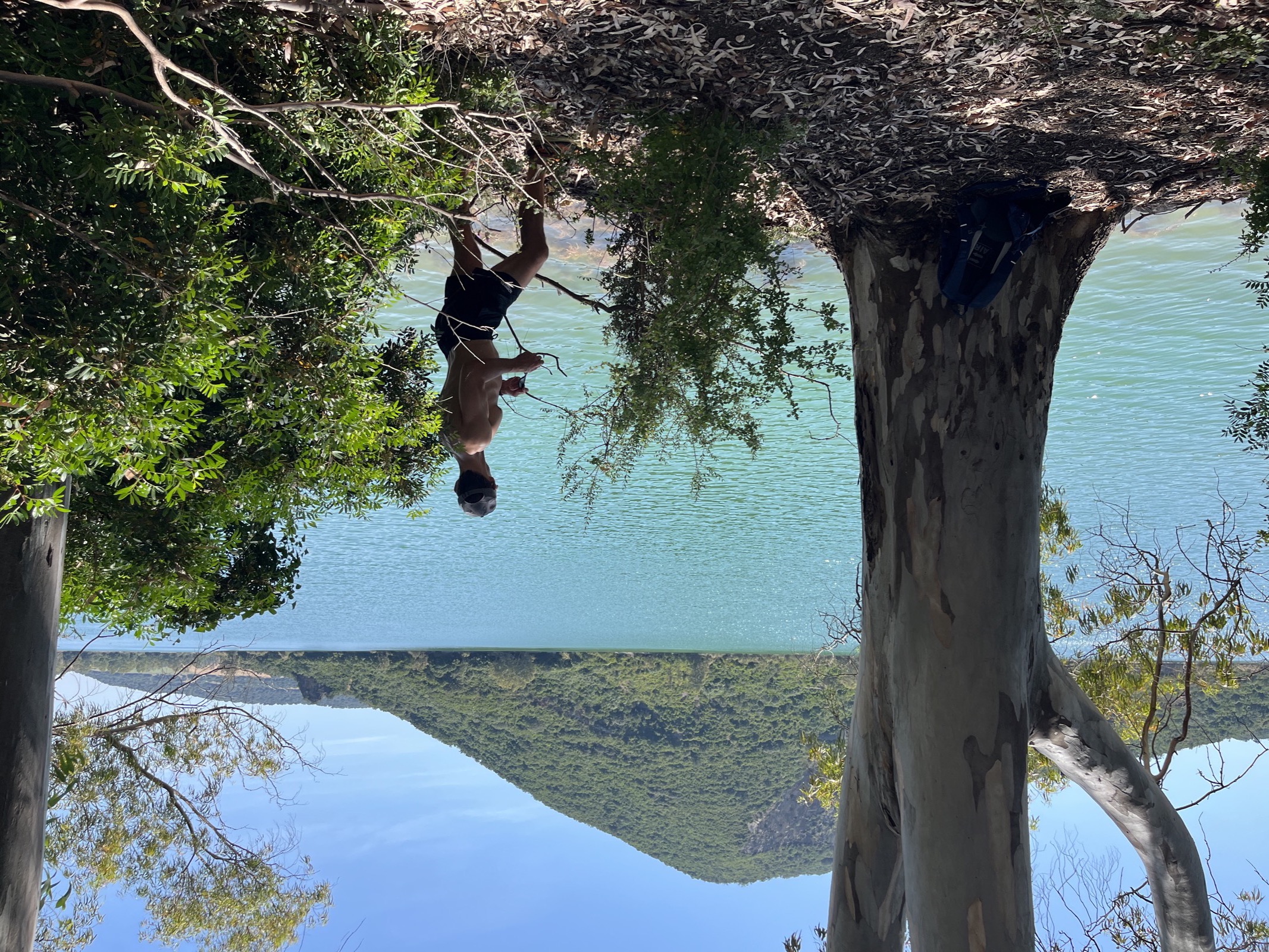
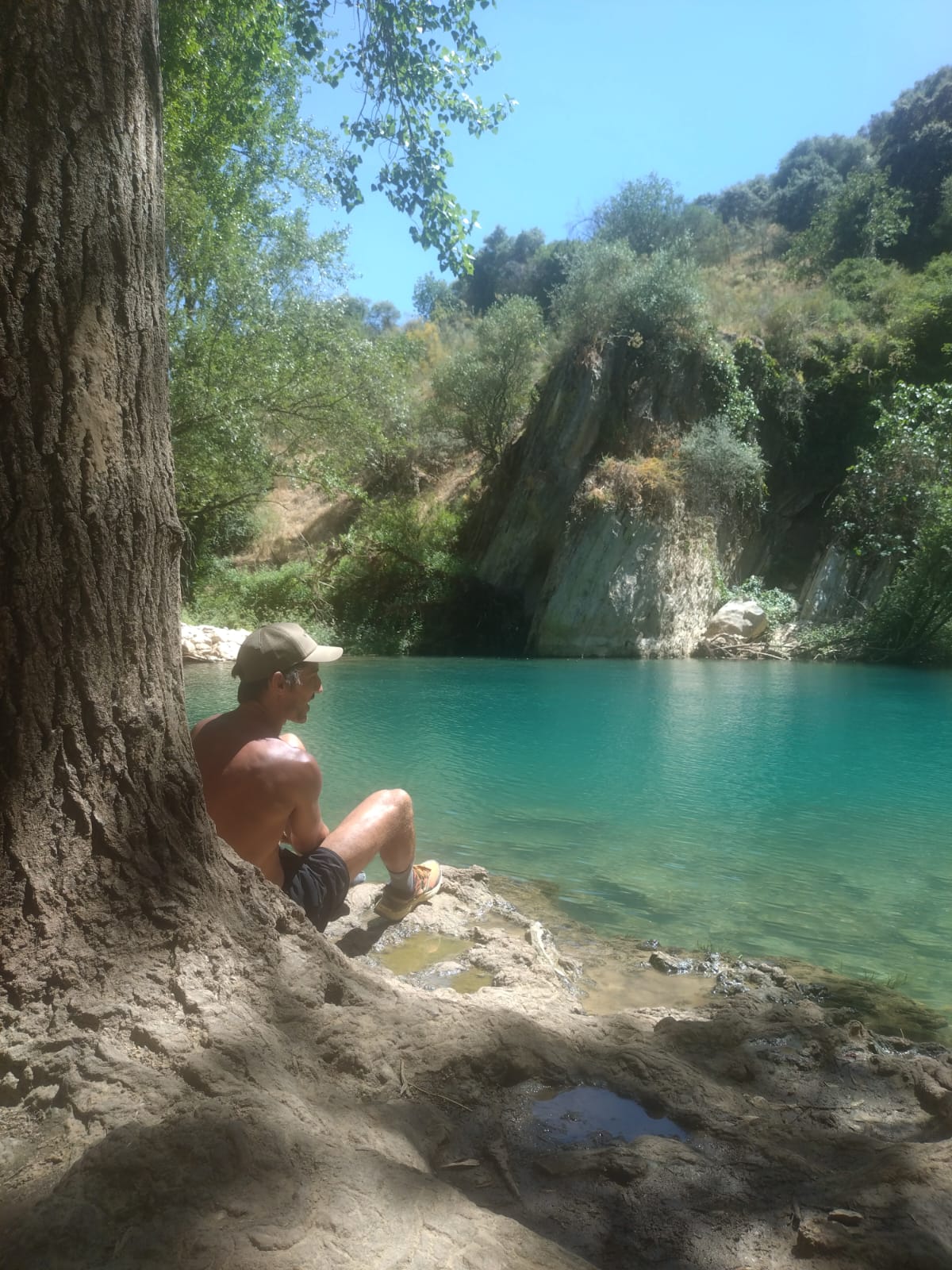
- Discovering a lake that absolutely nobody else goes to
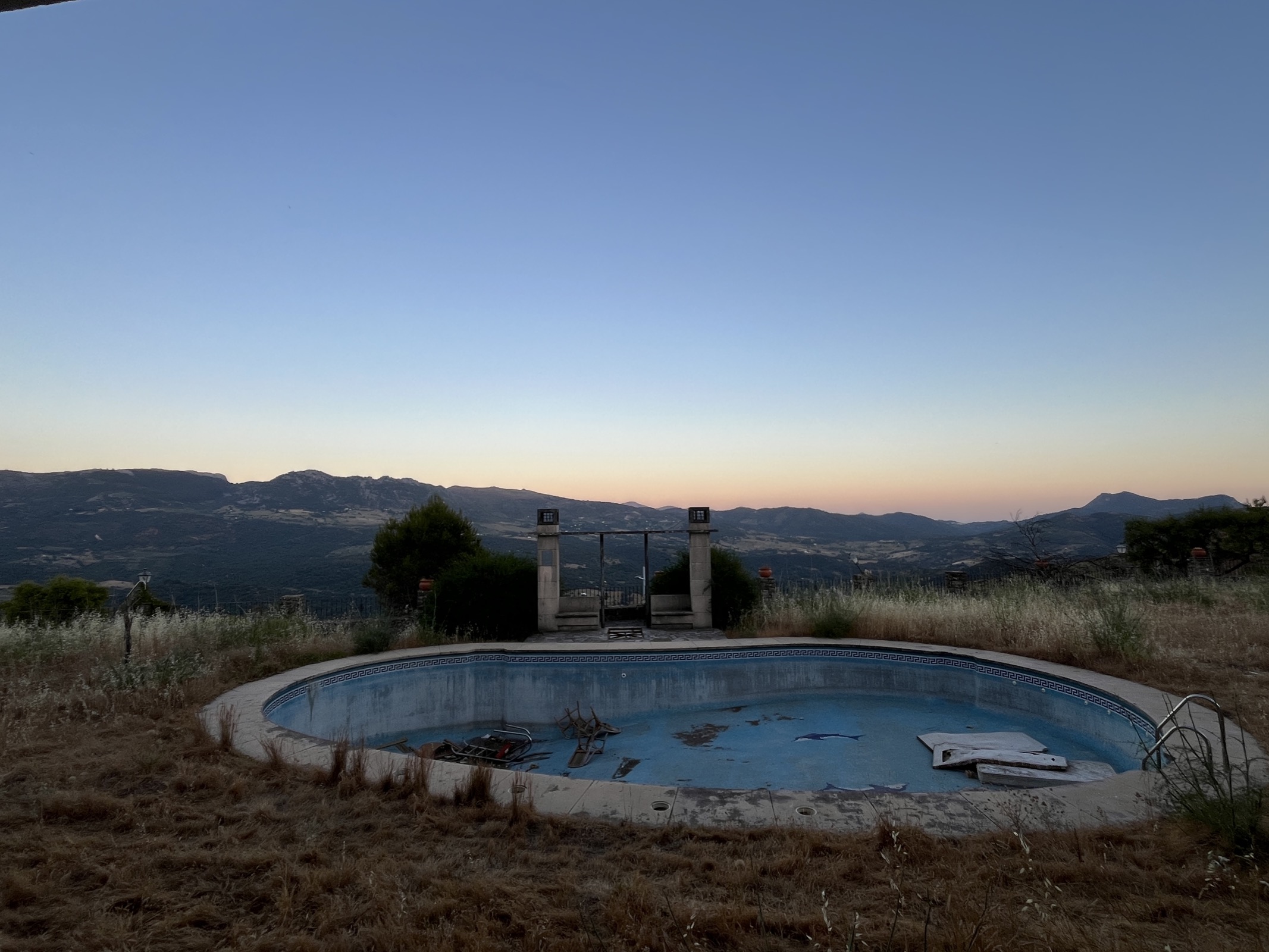
- Exploring abandoned properties
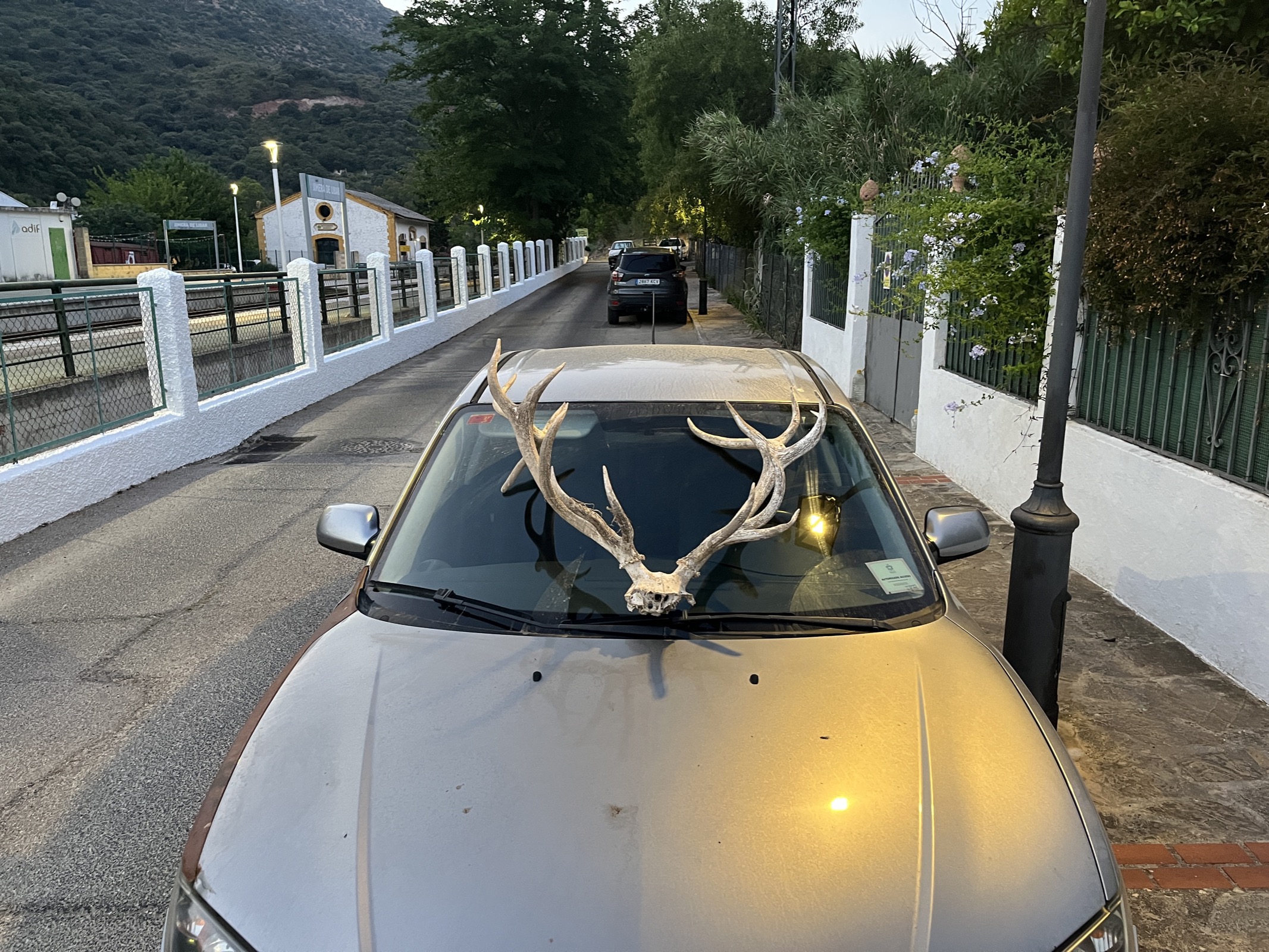
- Finding "treasure"
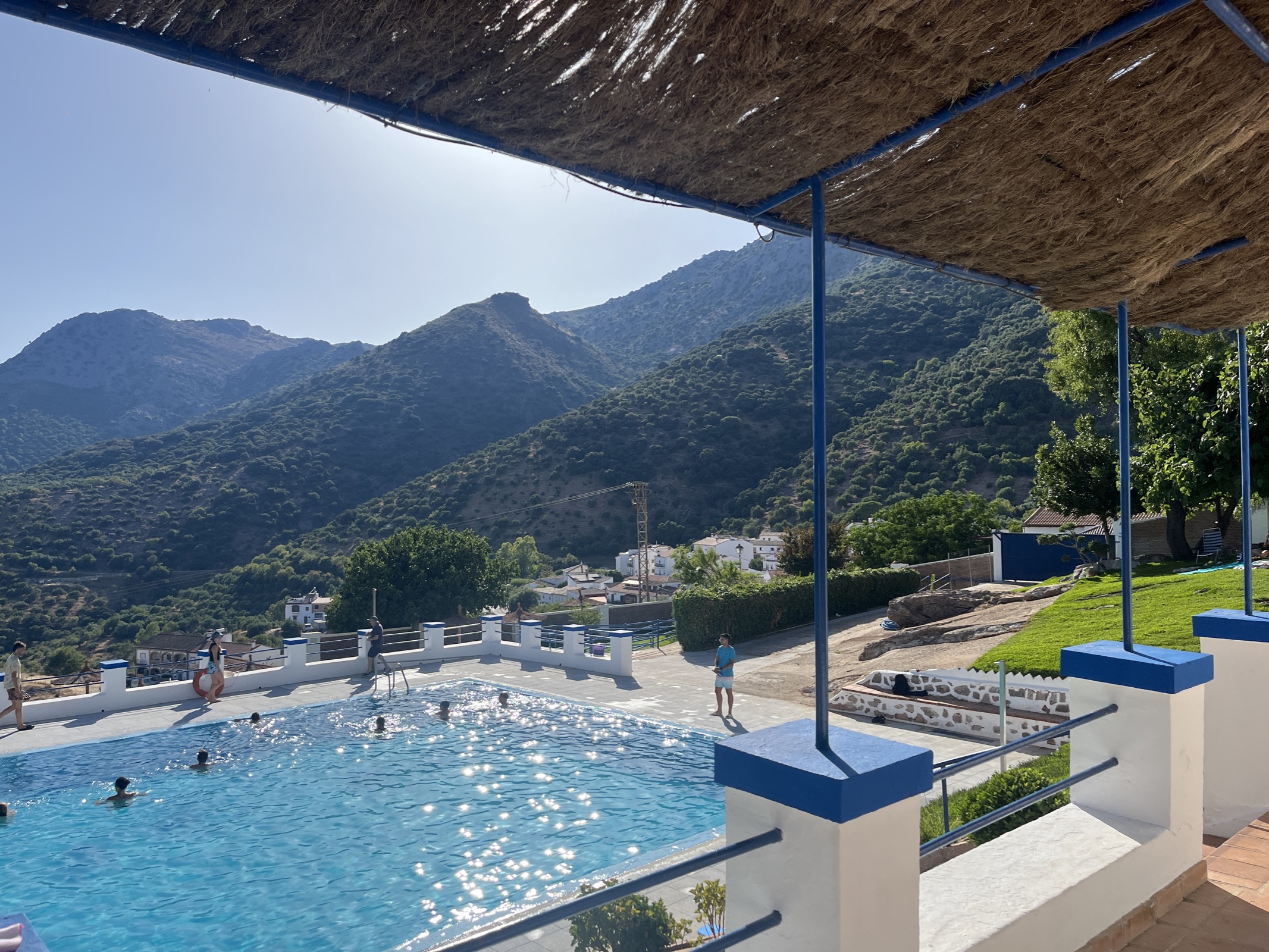
- Wild swimming in rivers, charcos, and the local piscina
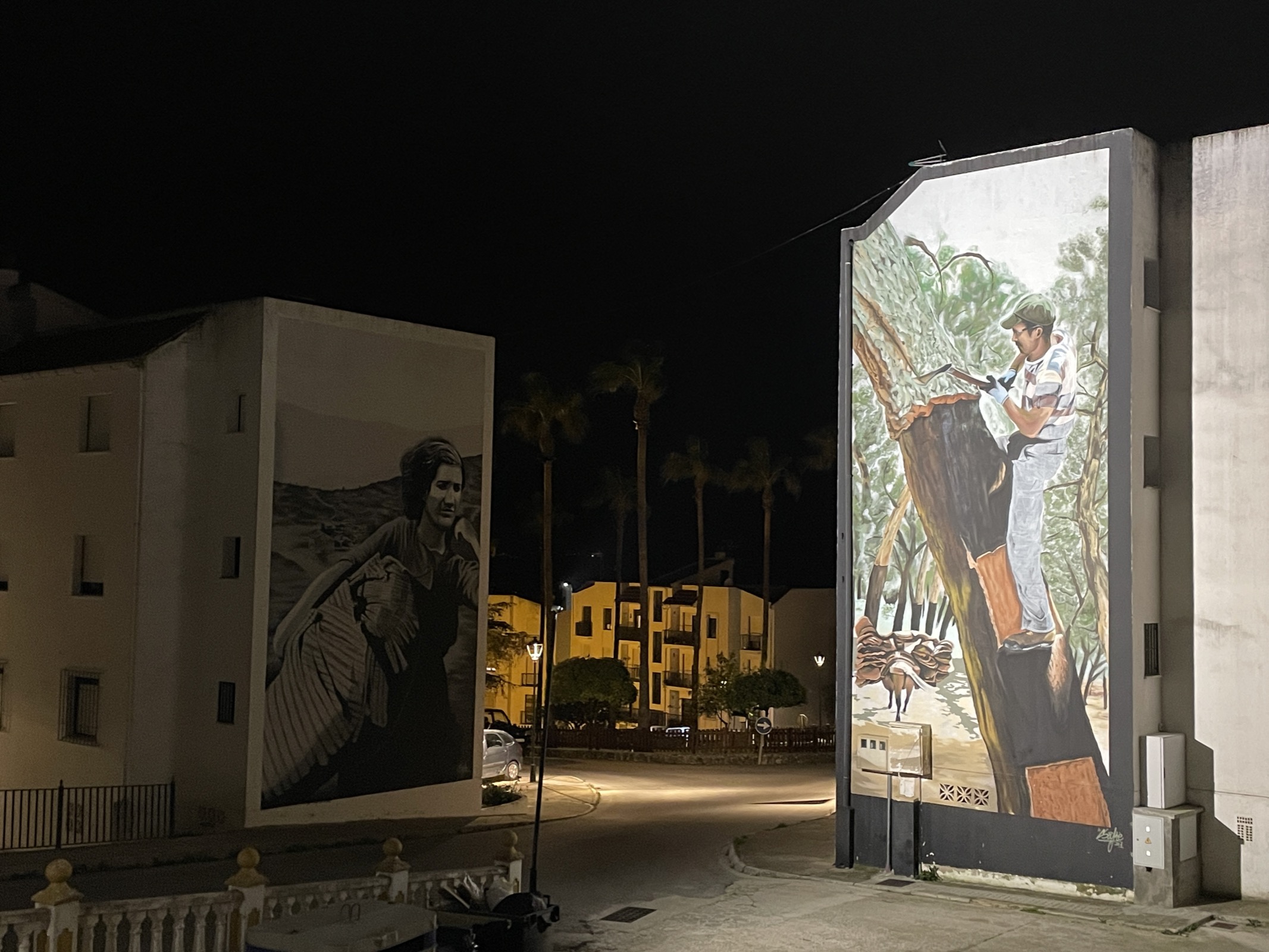
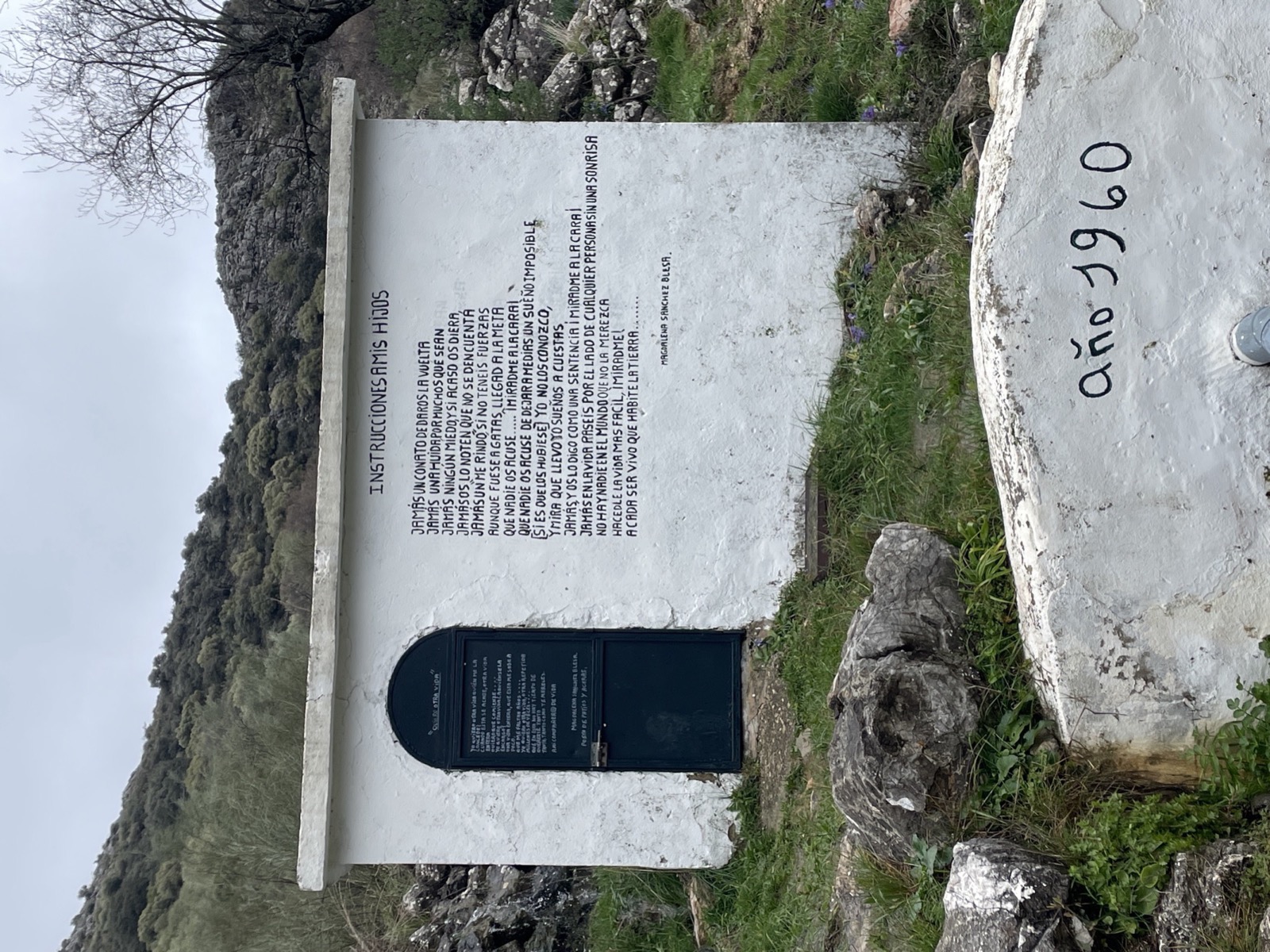
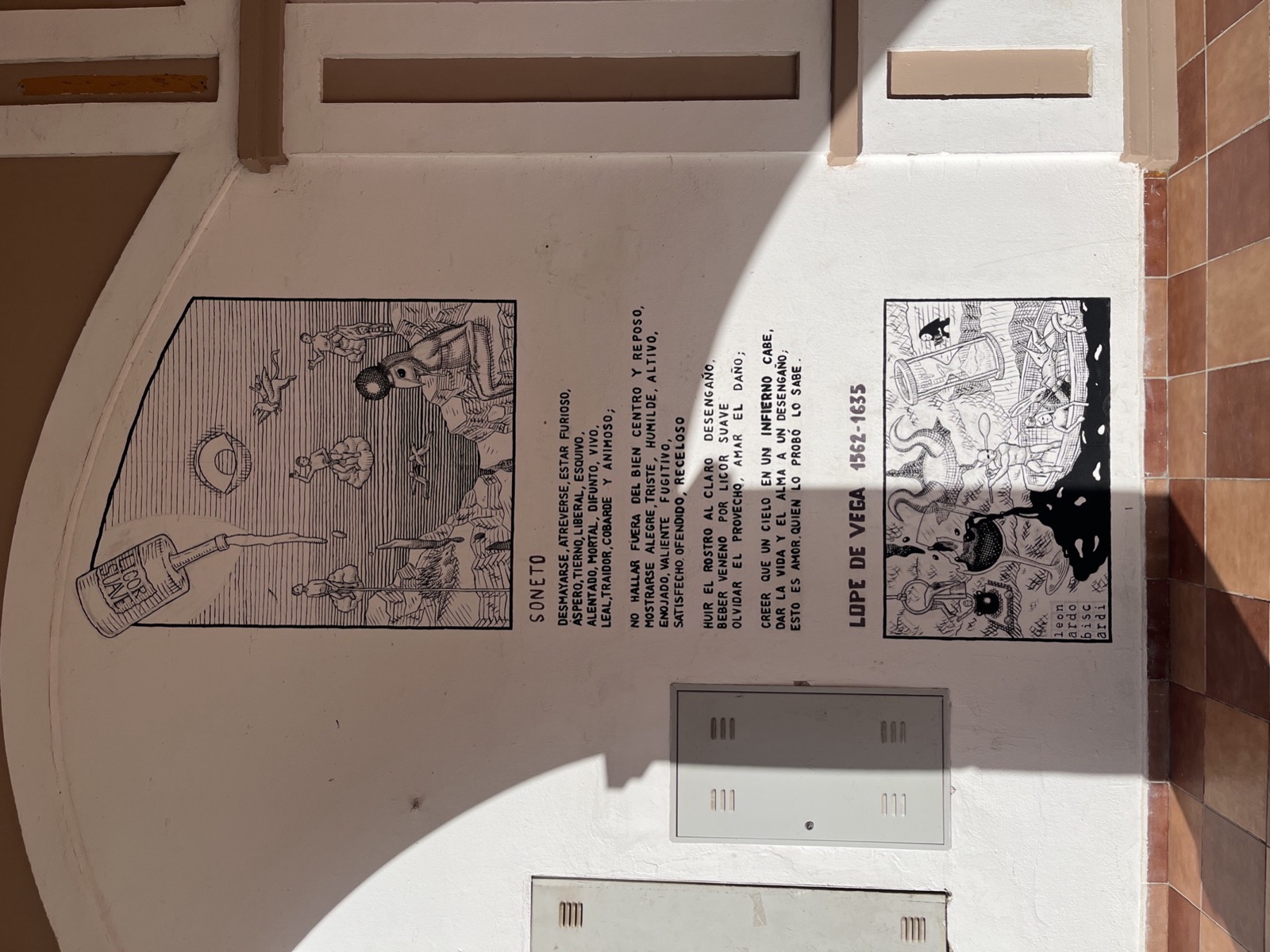
- The poems and murals painted on walls all over the pueblo
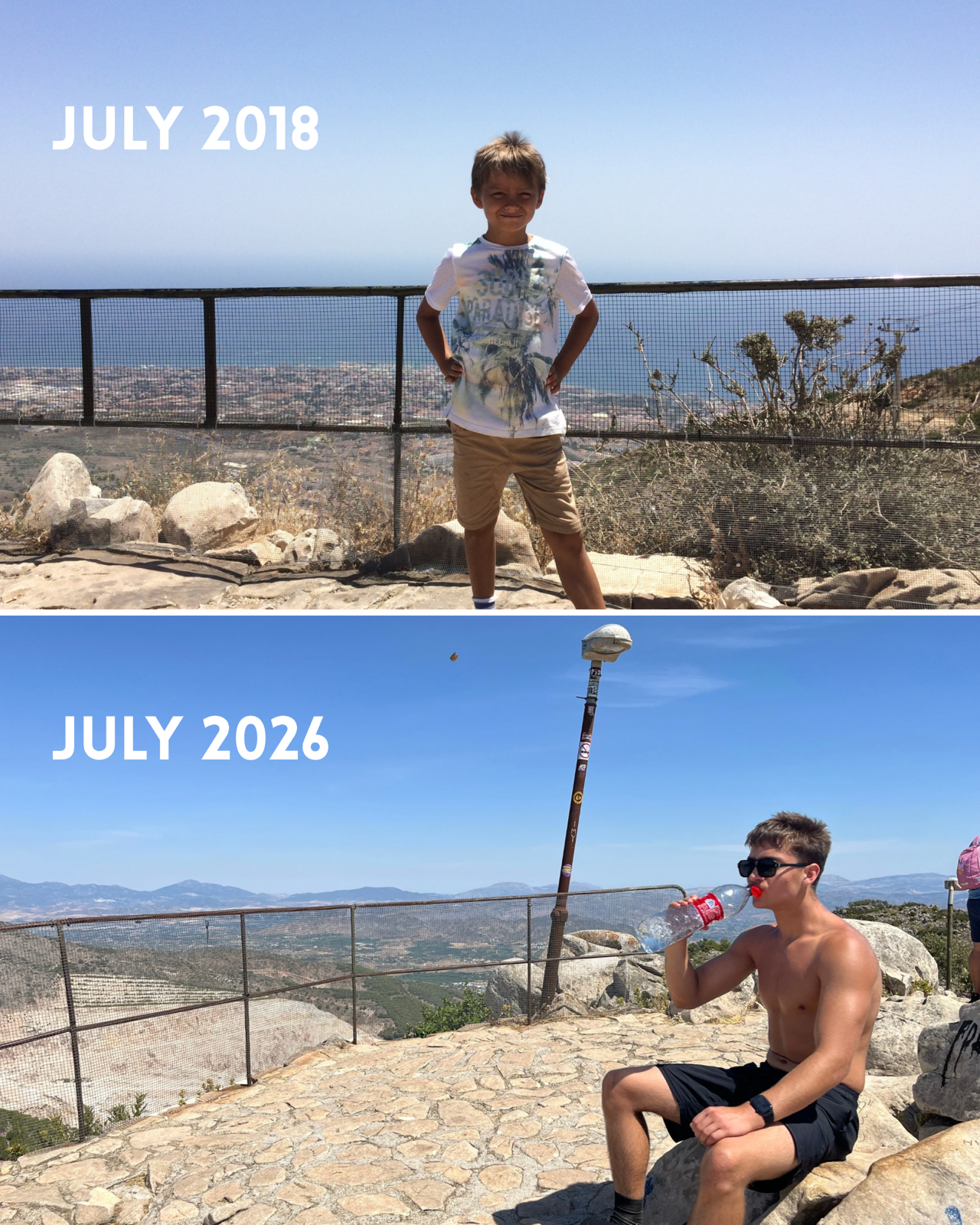
- Hiking with my son on a route we'd done together eight years before
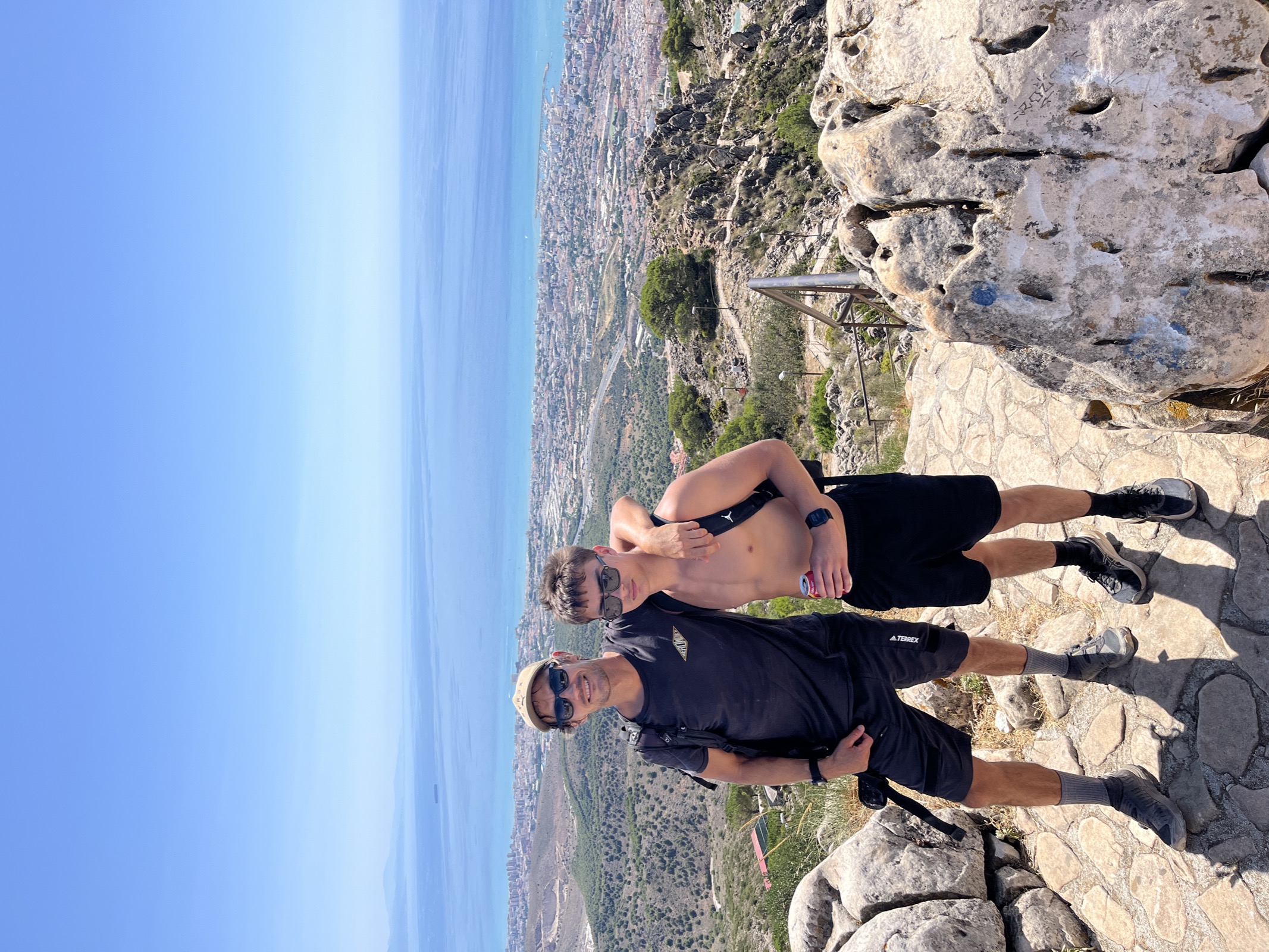
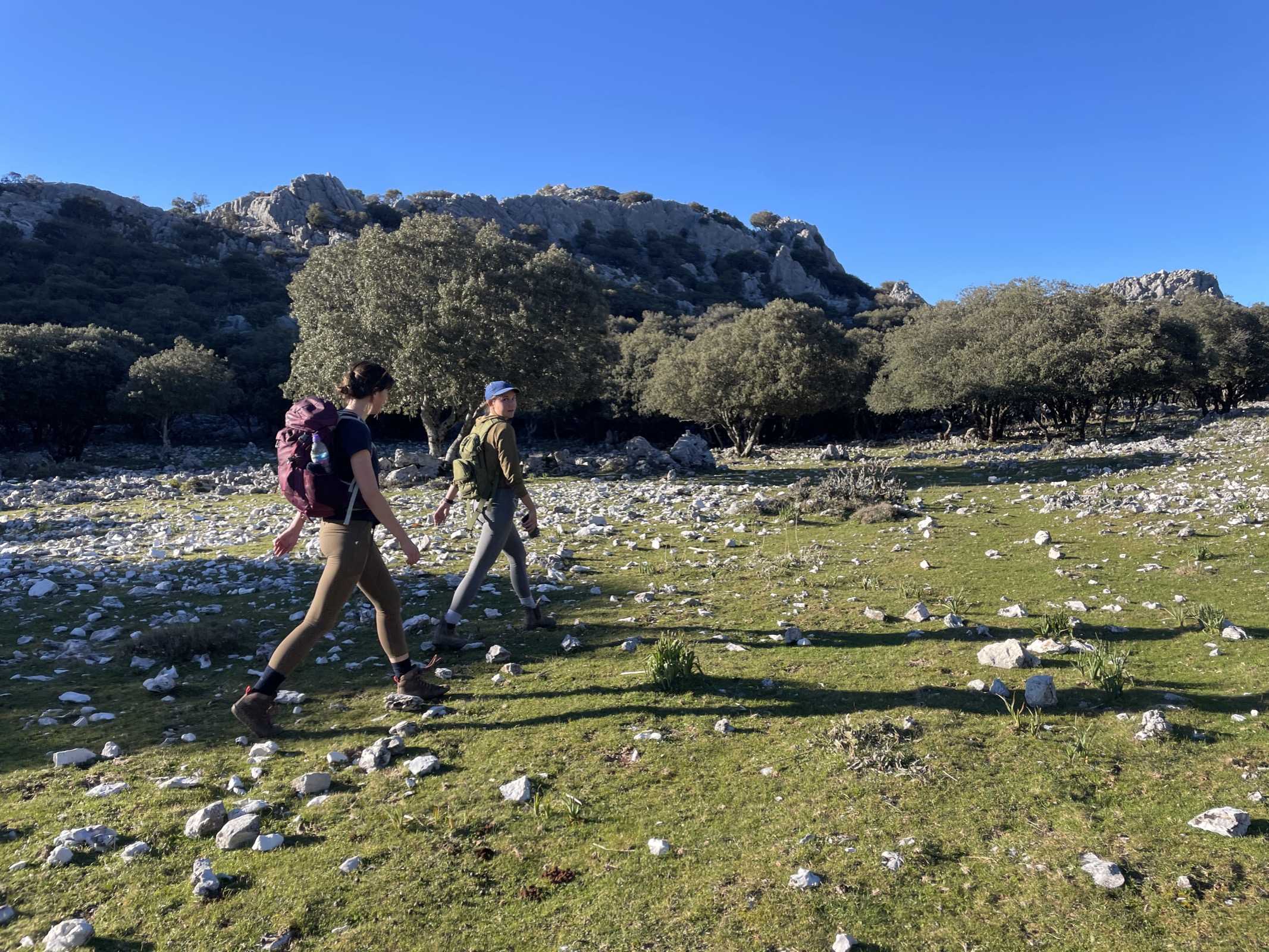
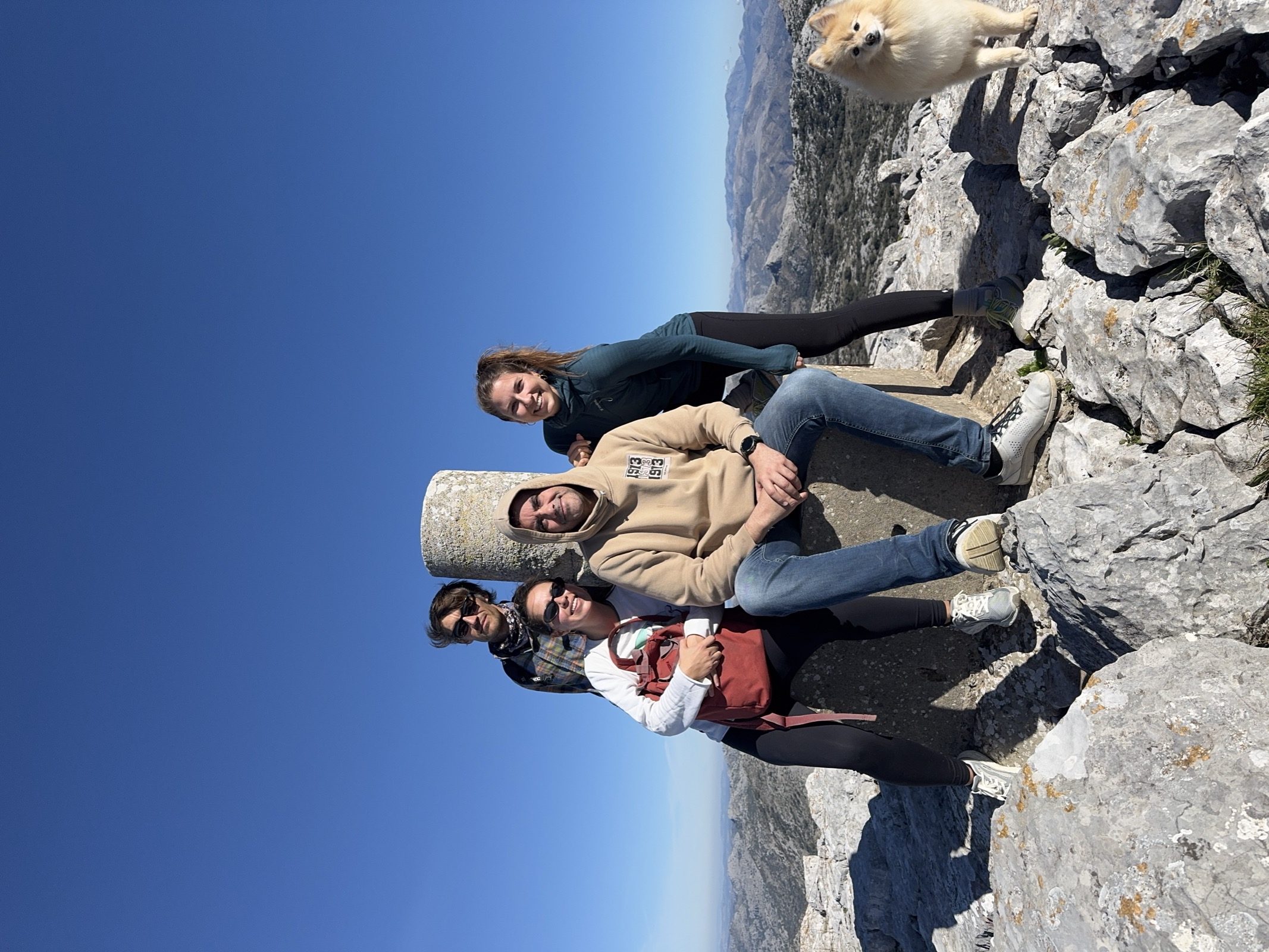
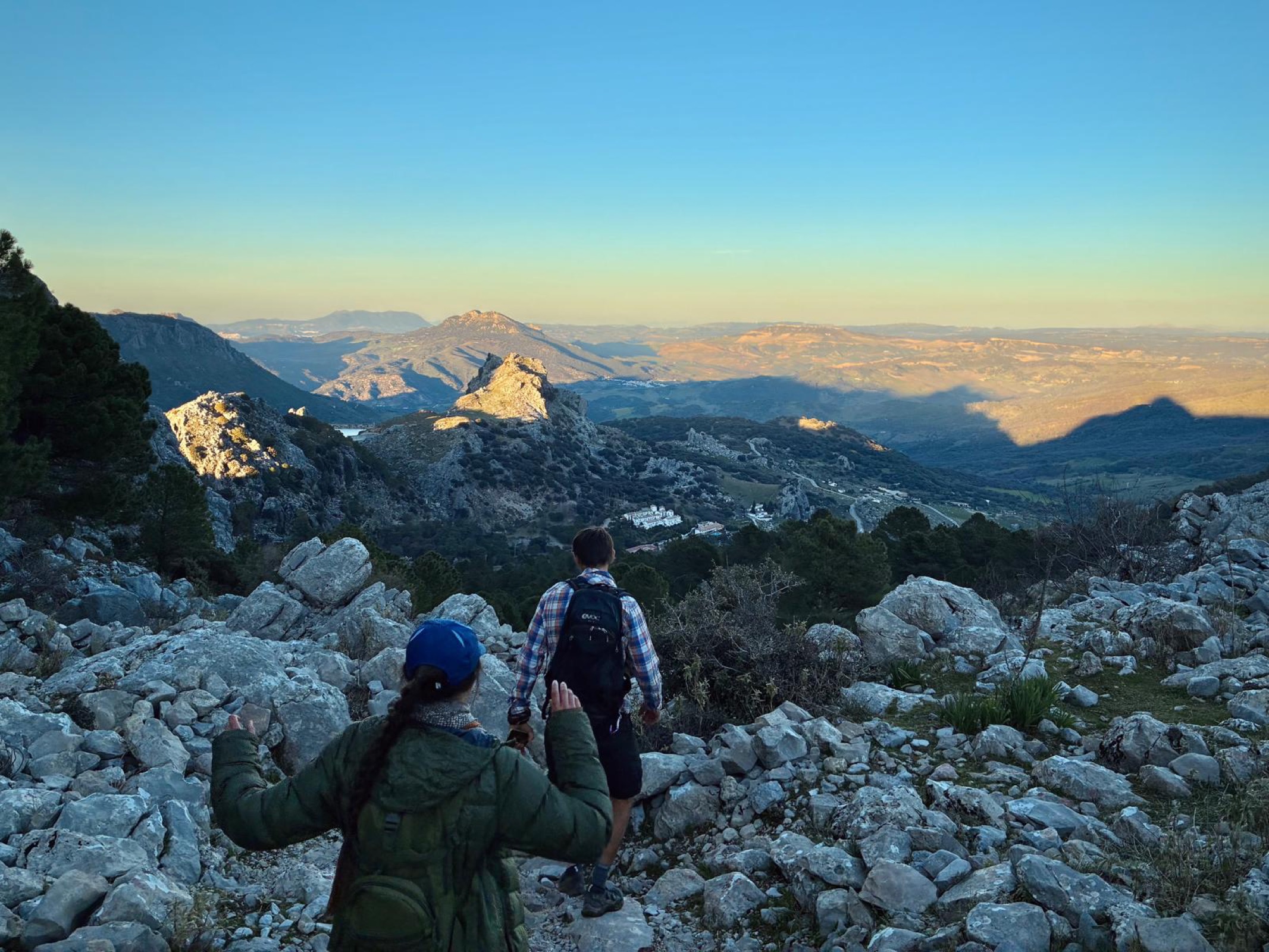
- Hikes with friends
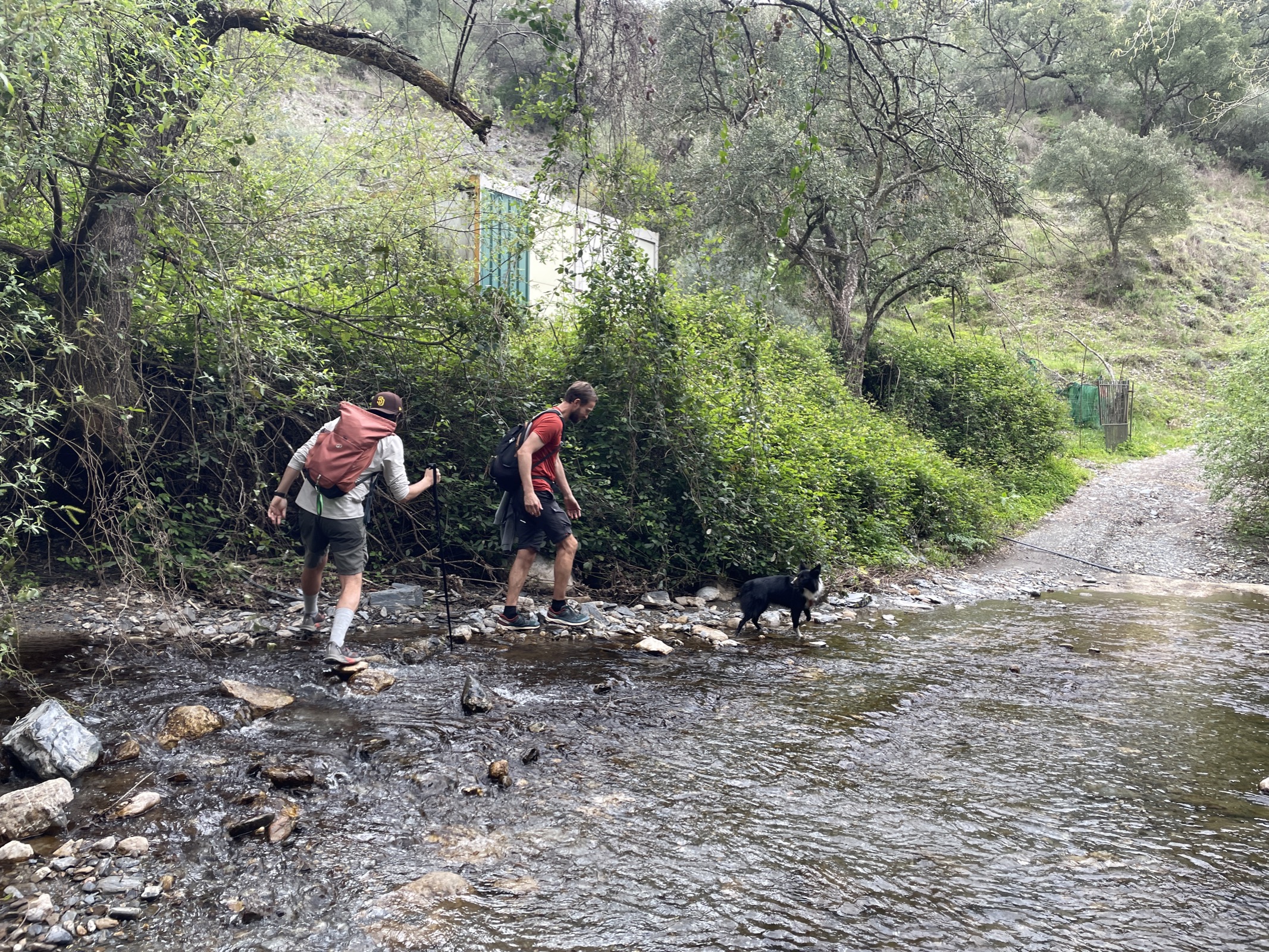
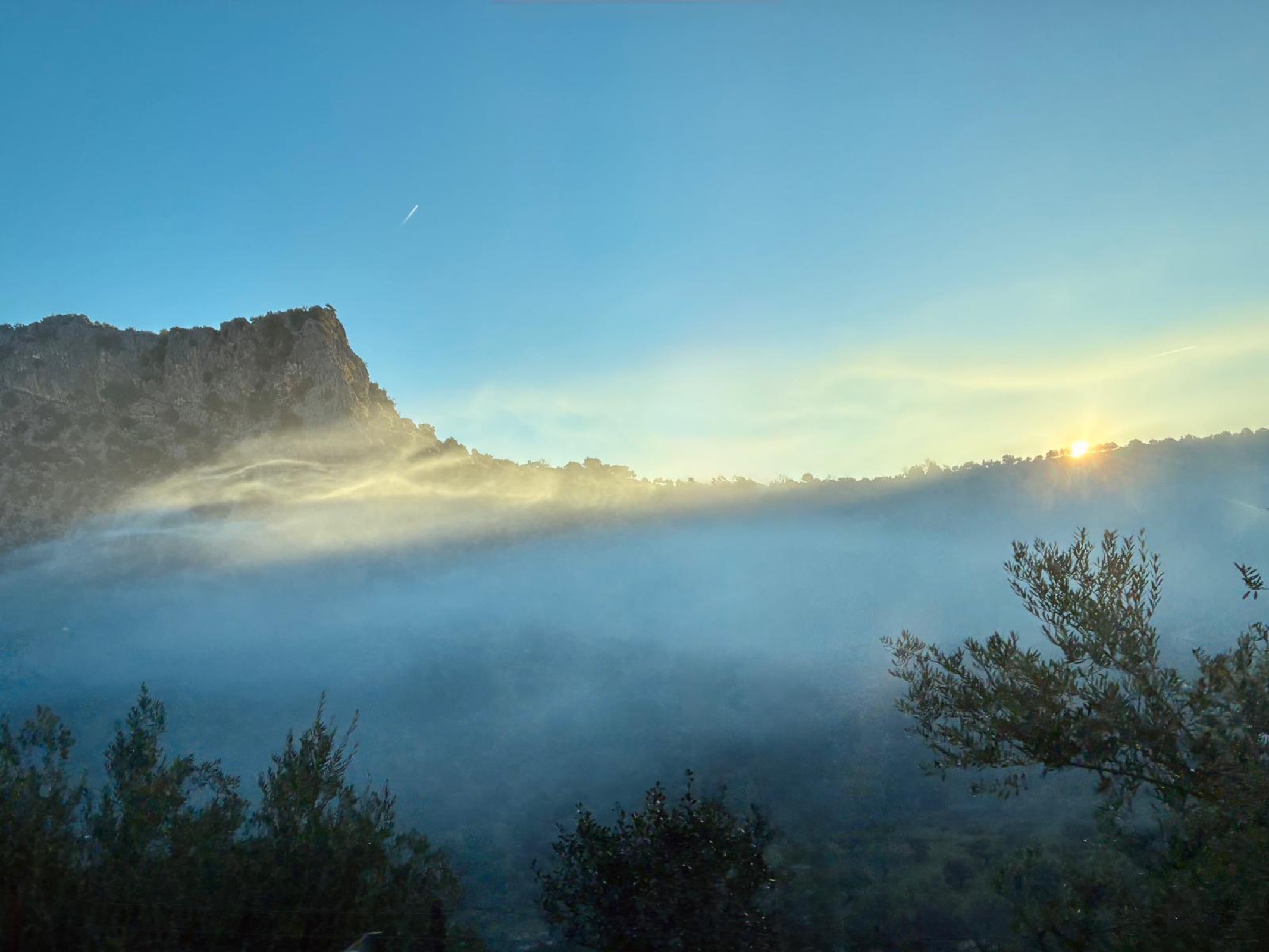
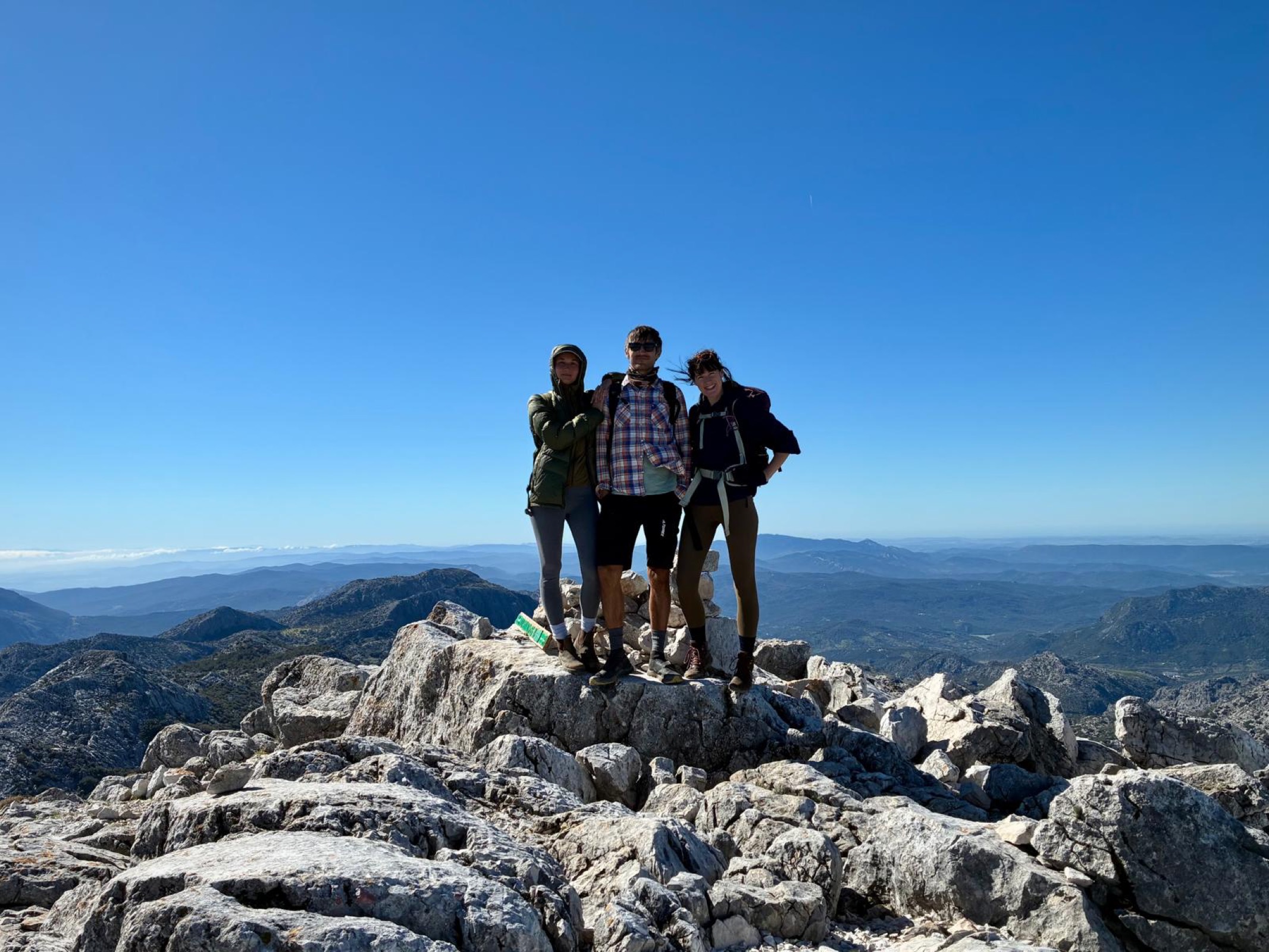
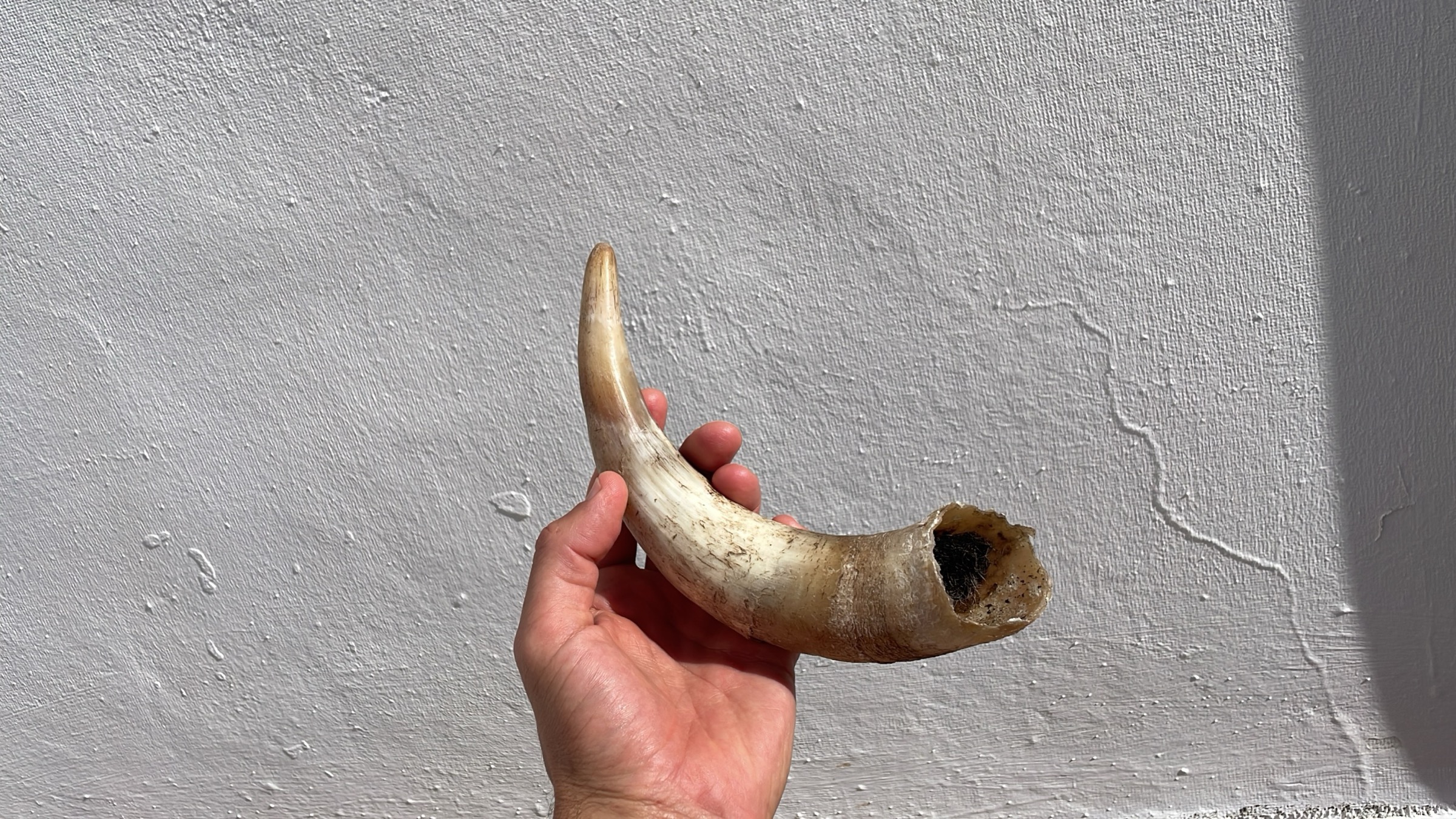
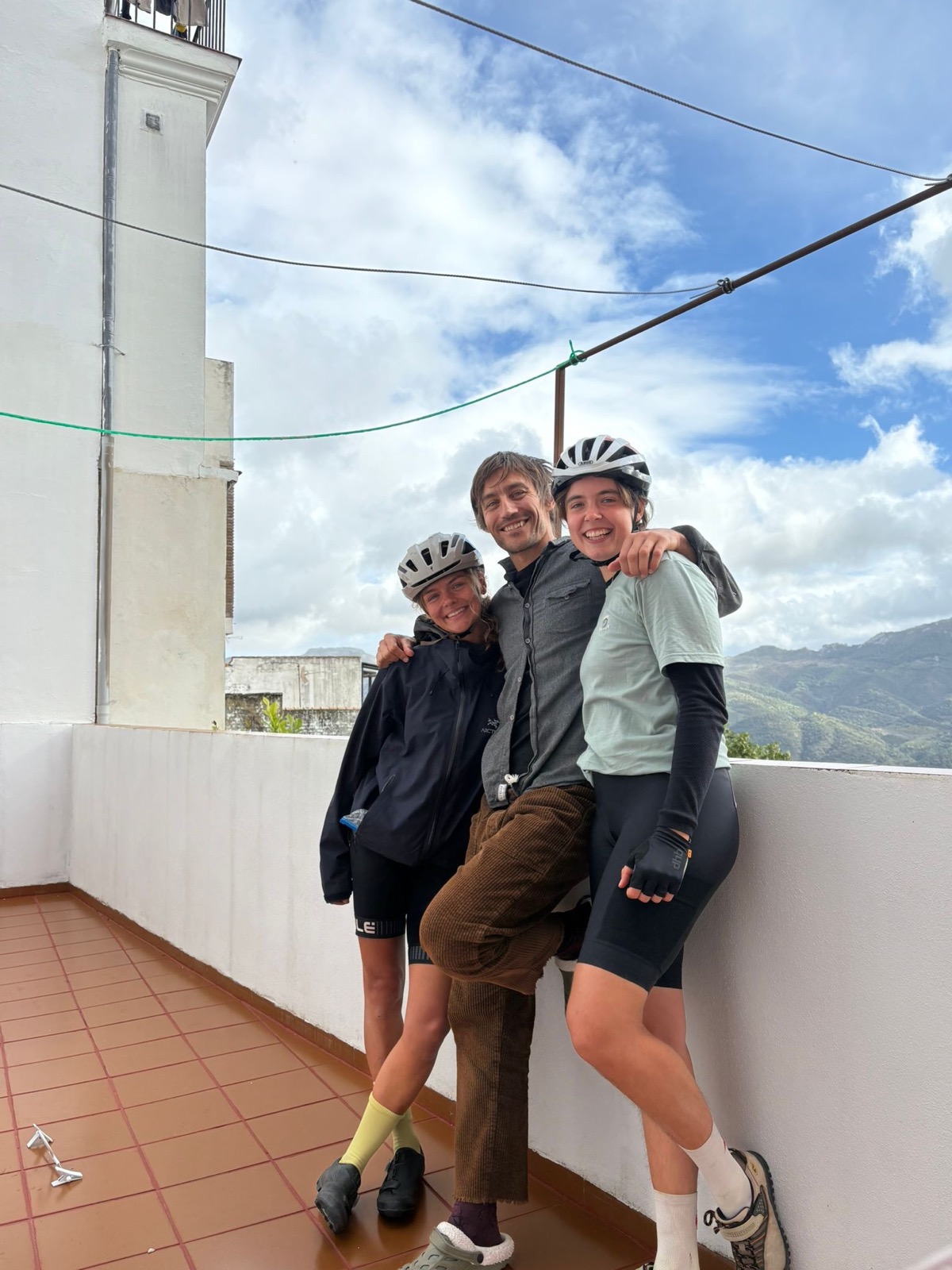
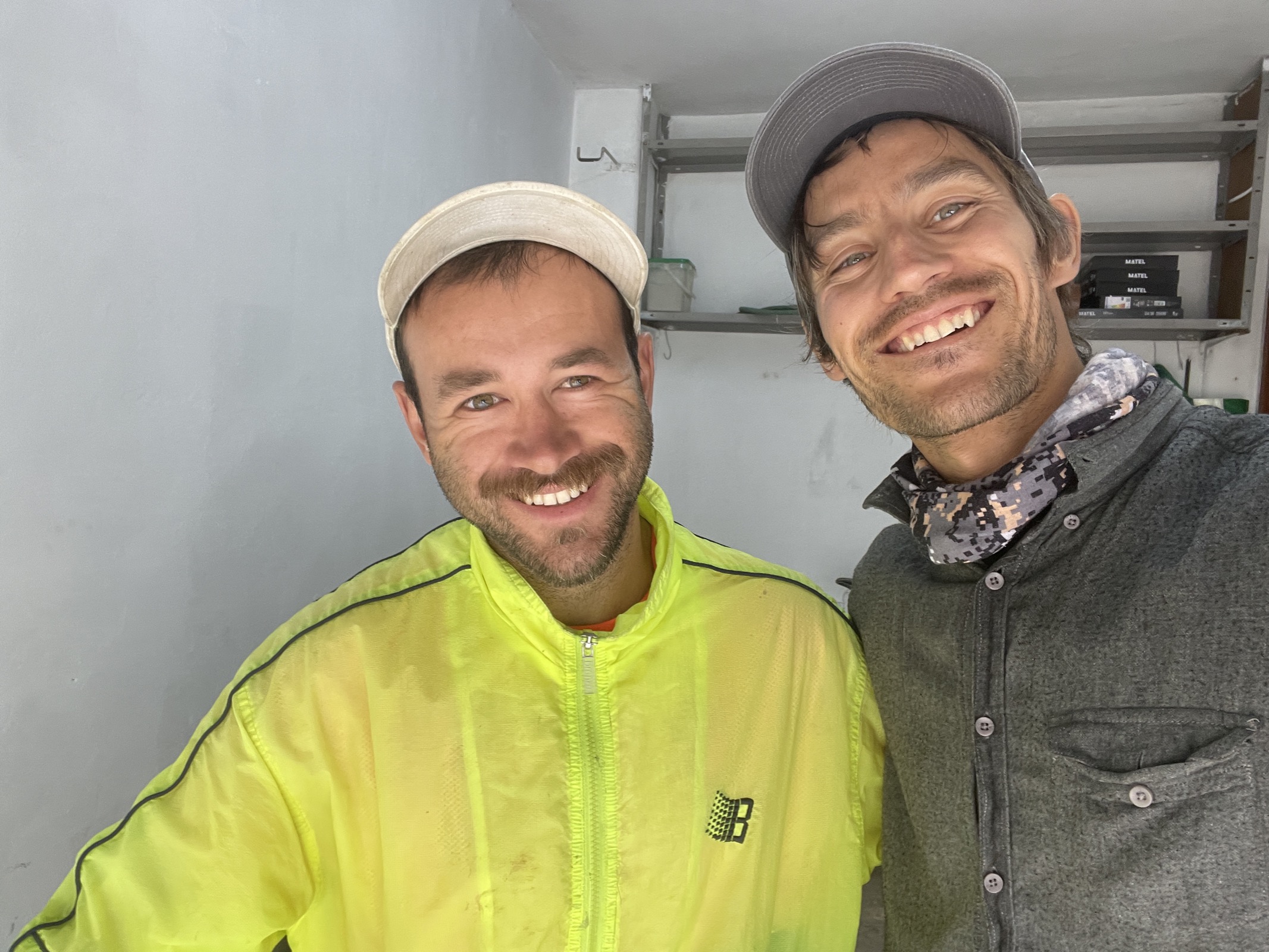
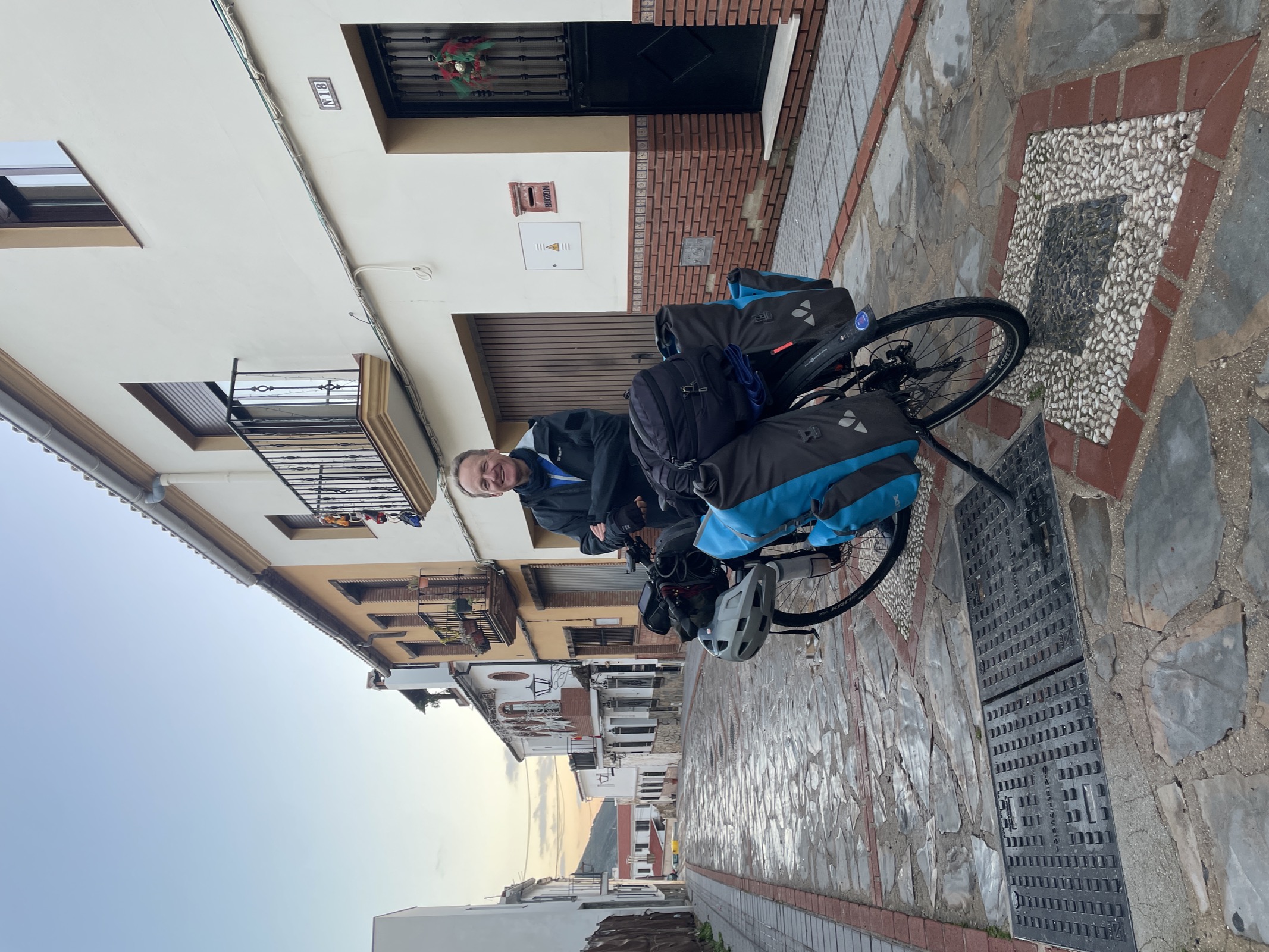
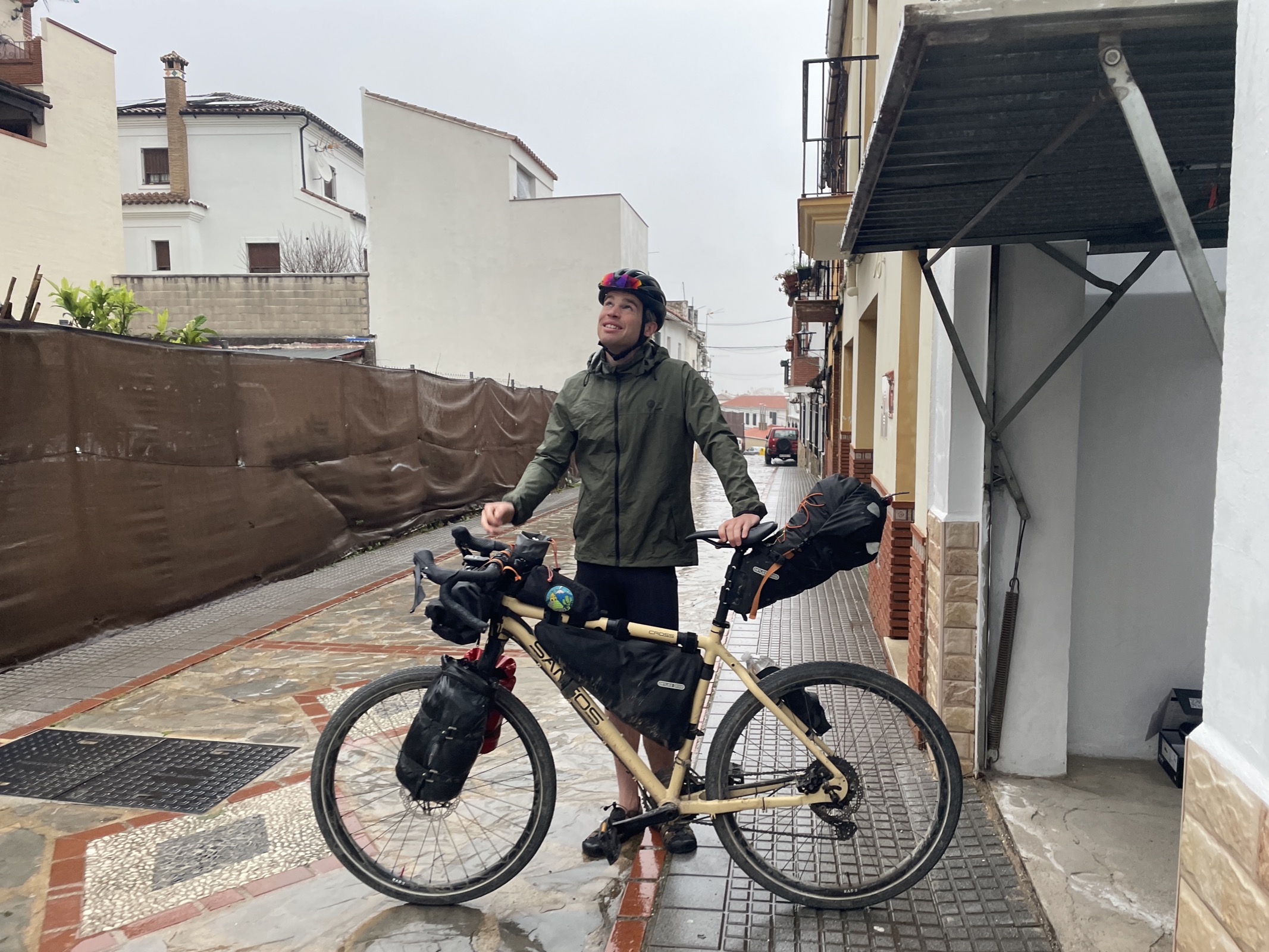
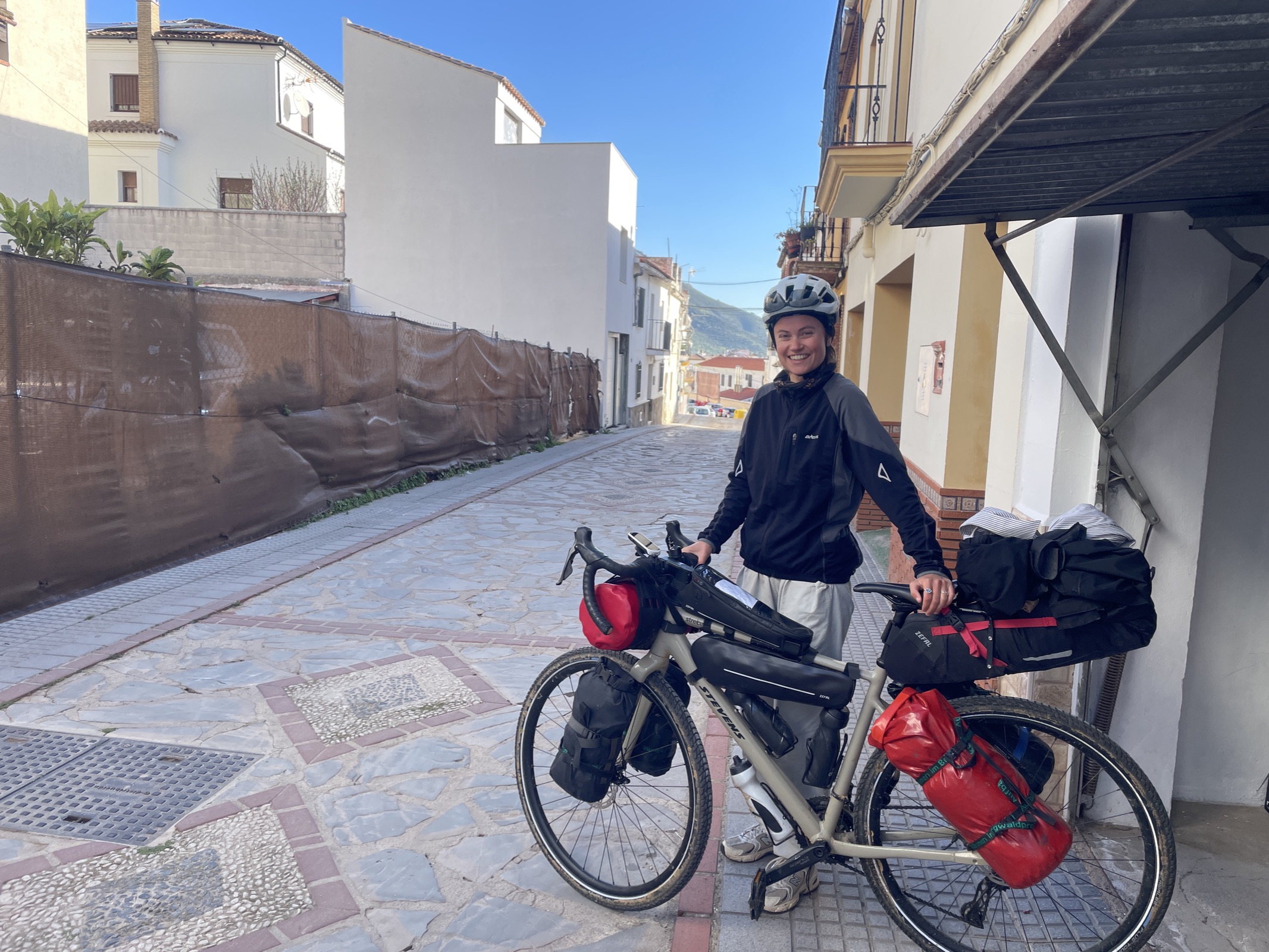
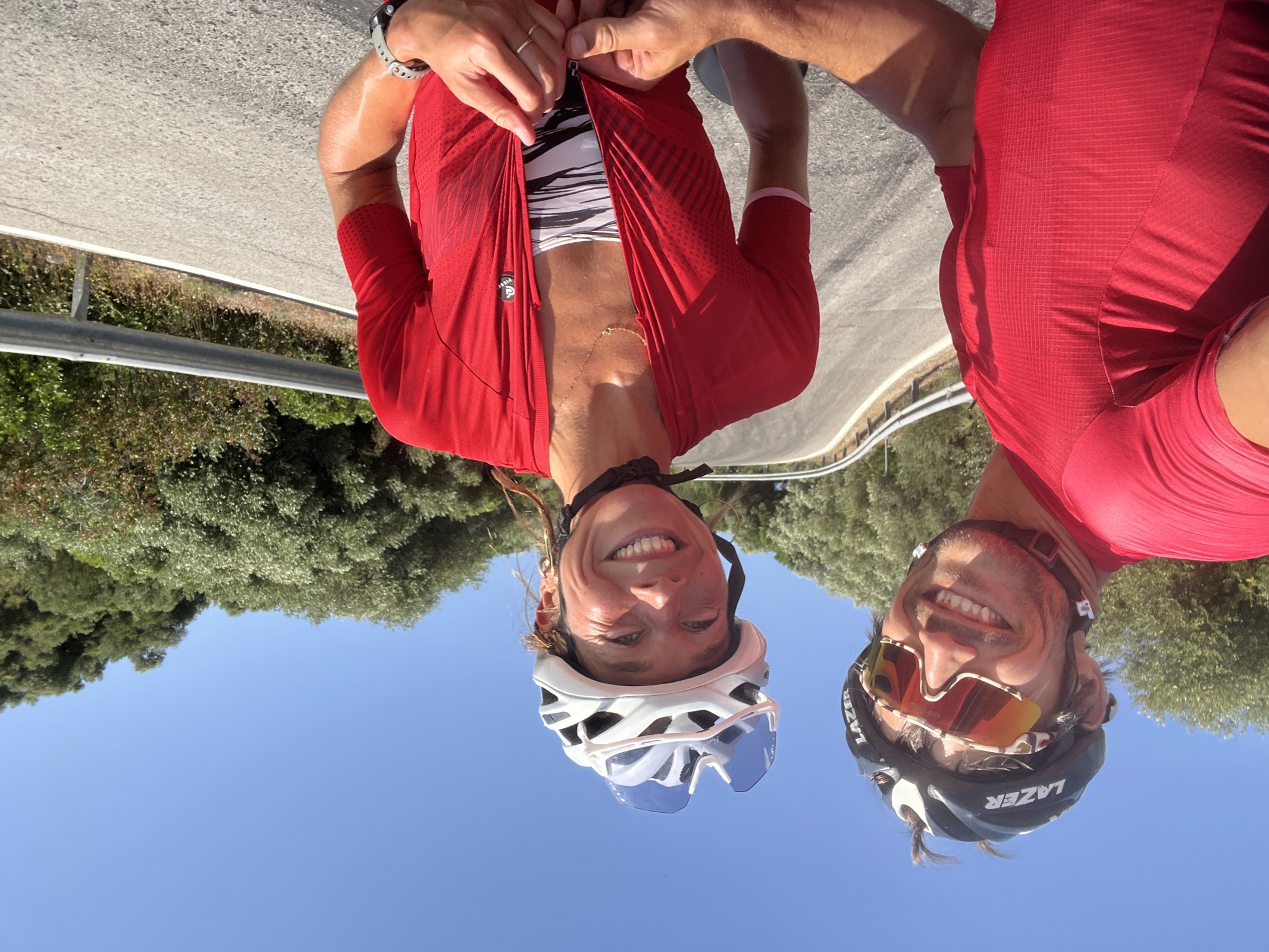
- Hosting touring cyclists through WarmShowers
The hard parts
It hasn't all been plain sailing. Some of the heaviest rainfall in years. And this place gets cold, Spanish pueblo houses are so poorly insulated that some mornings I'd wake up and see my breath in front of my face while still in bed. I did everything to stay warm: a battery powered gilet with heat pouches, USB powered mittens, USB powered insoles. Friends laughed at the lot of it. The rains were bad enough that the house is currently getting a new roof, ready for next winter.
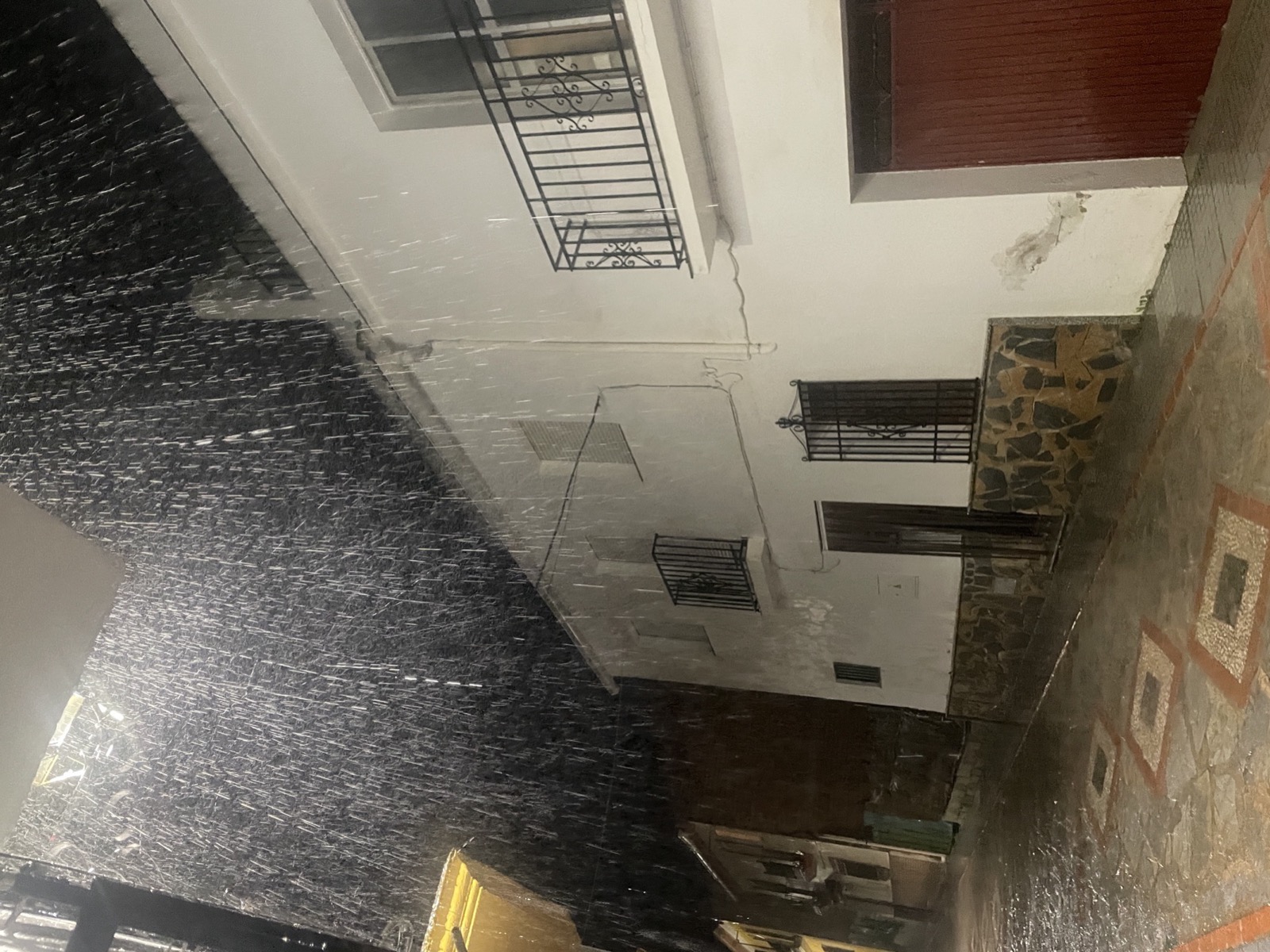
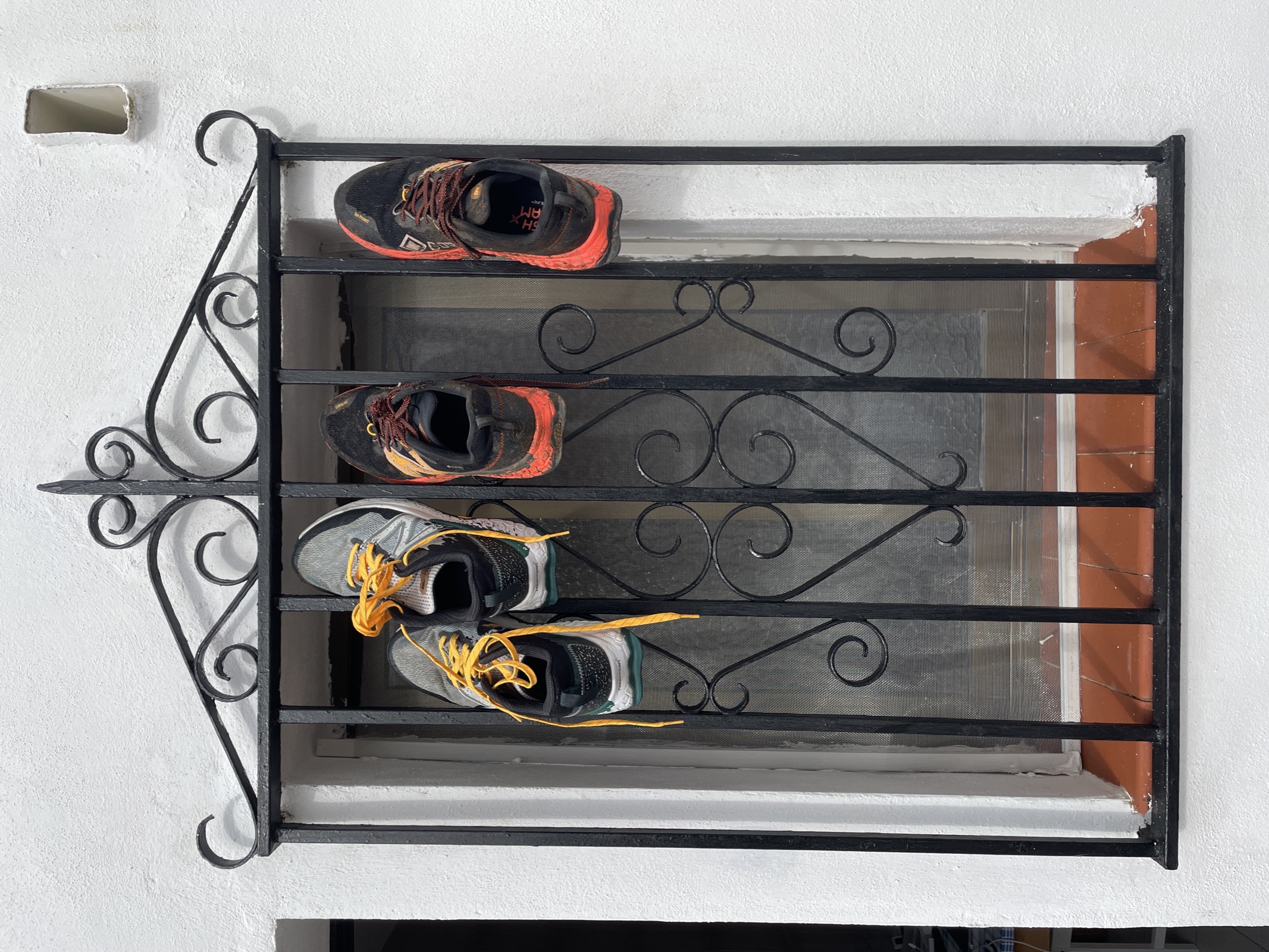
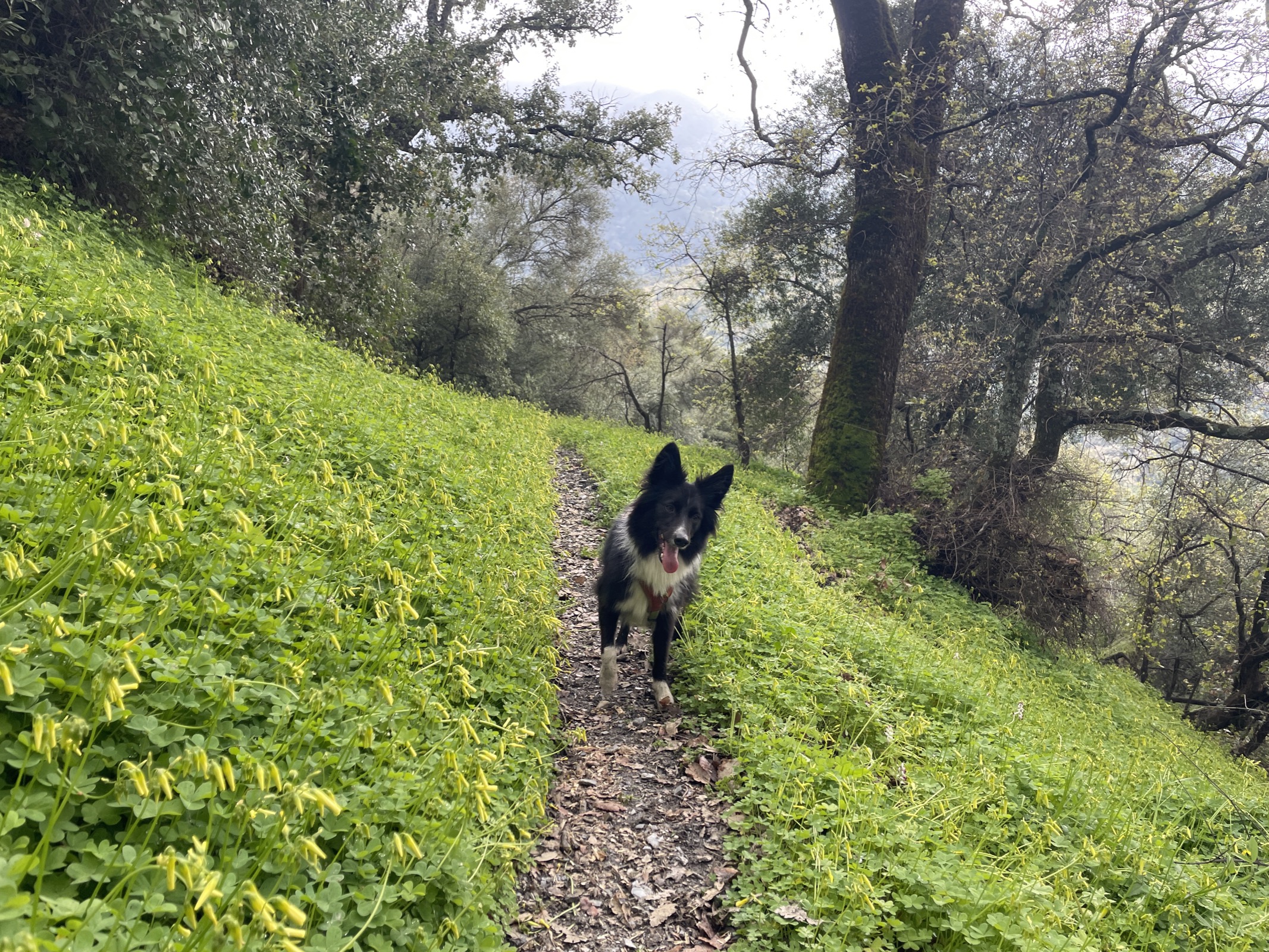
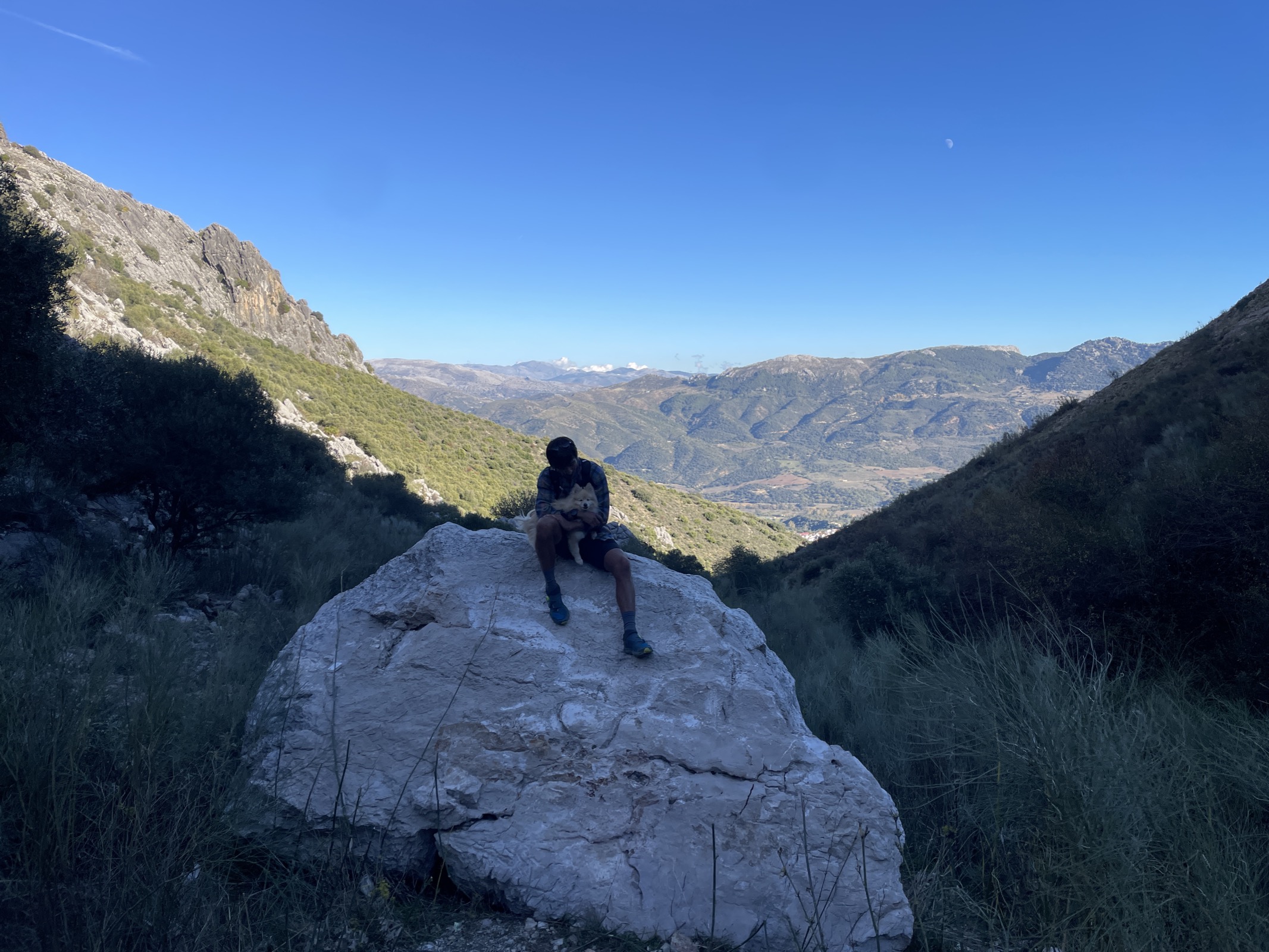
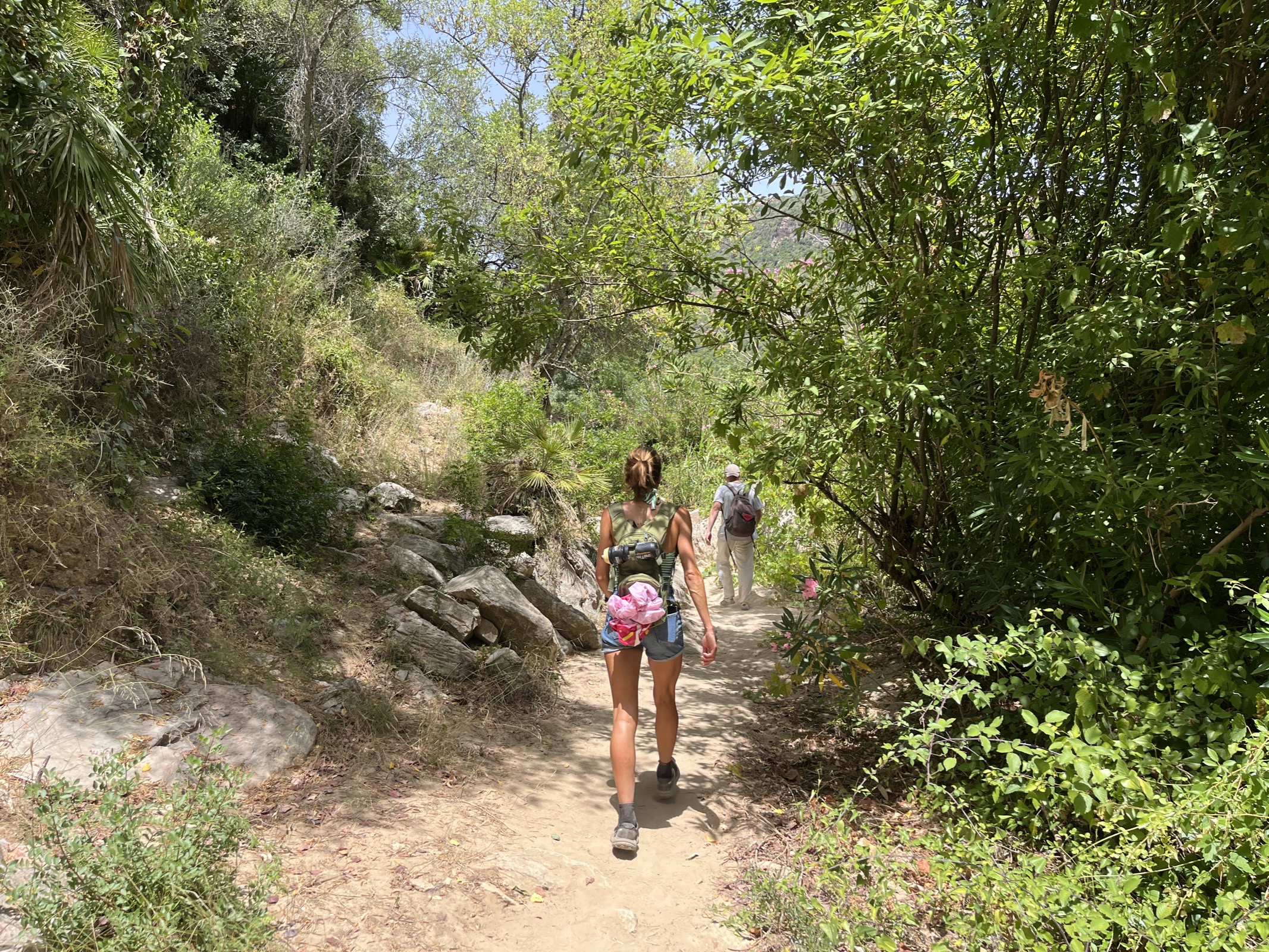
But I met some incredible people along the way. Shared so many memorable hikes. Showed people places they'd never have known existed if I hadn't been out here exploring them myself. Grateful to everyone who visited.
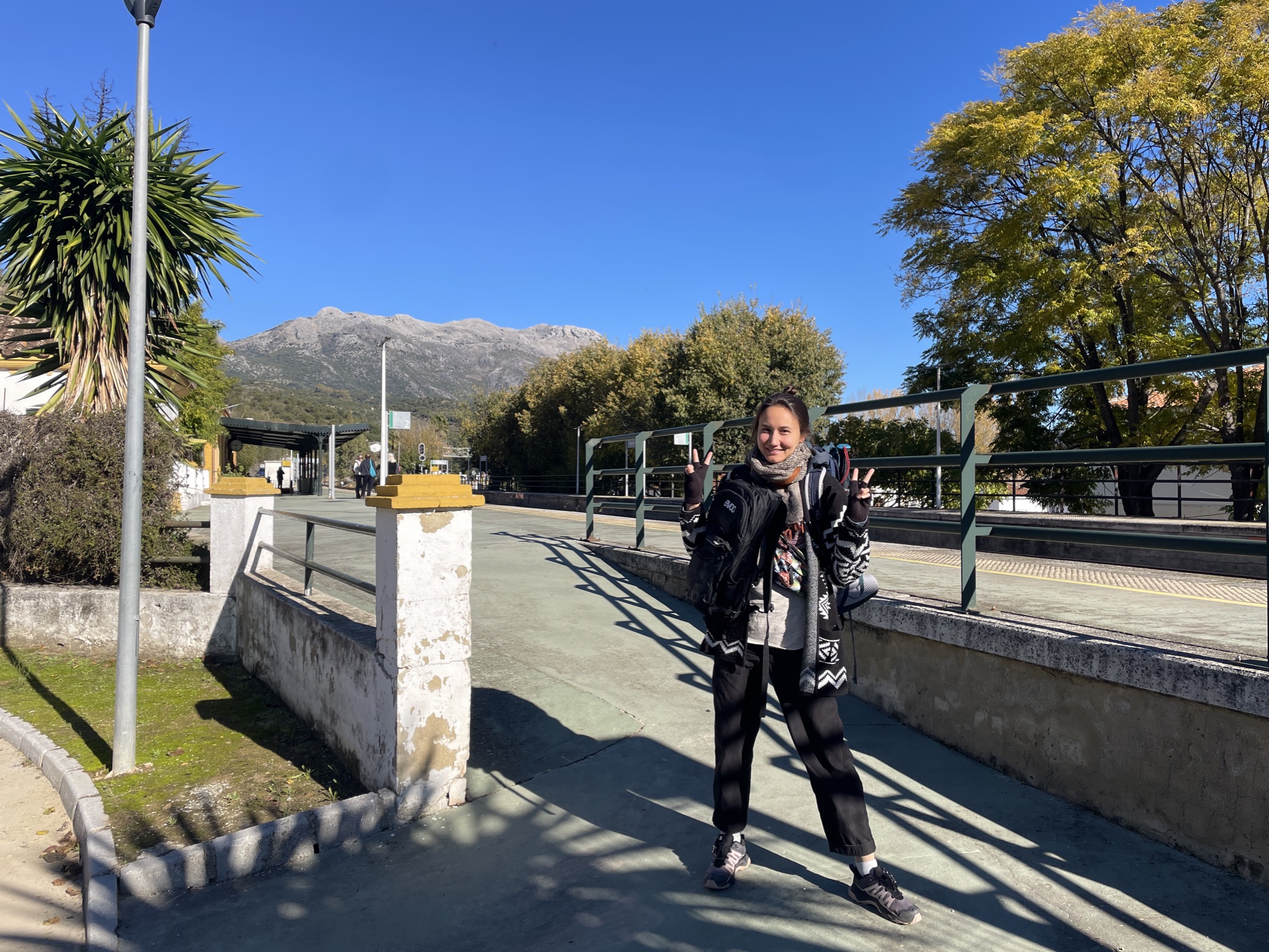
What should have been the last day
So here I am, on what was meant to be the end of it. Nine months up. The plan now: spend the rest of the summer in England, and then, because I couldn't leave it at that, I've committed to returning to Cortes de la Frontera in September. The sabbatical is over, but Cortes isn't finished with me yet, or maybe it's the other way round.
I'm returning recharged, inspired, strong and healthy, physically and mentally, and properly fucking ready to get my teeth into a new challenge. Ideally a role in a startup, my generalist skills suit that environment well. Or a project of my own, taken forward properly this time.