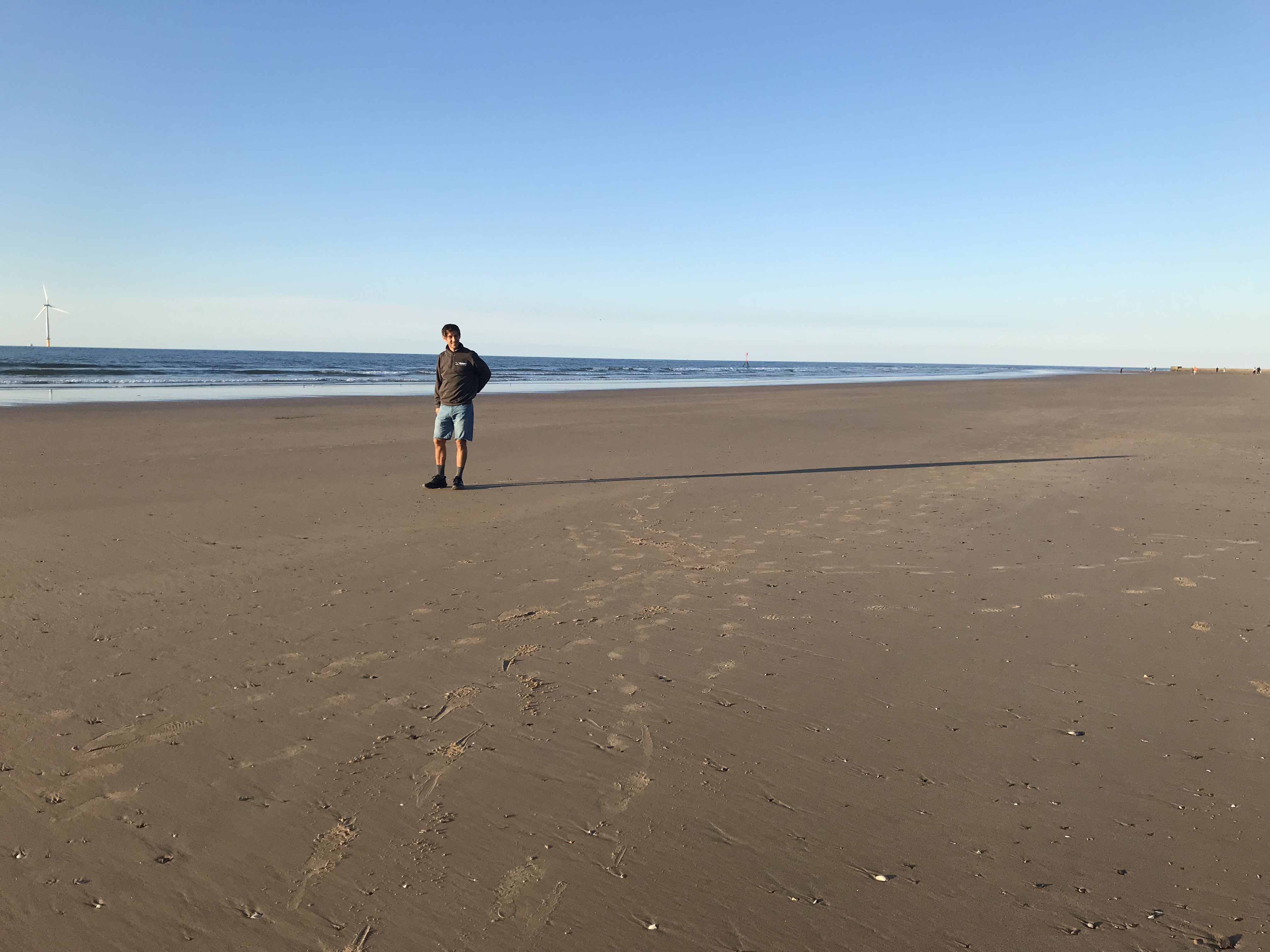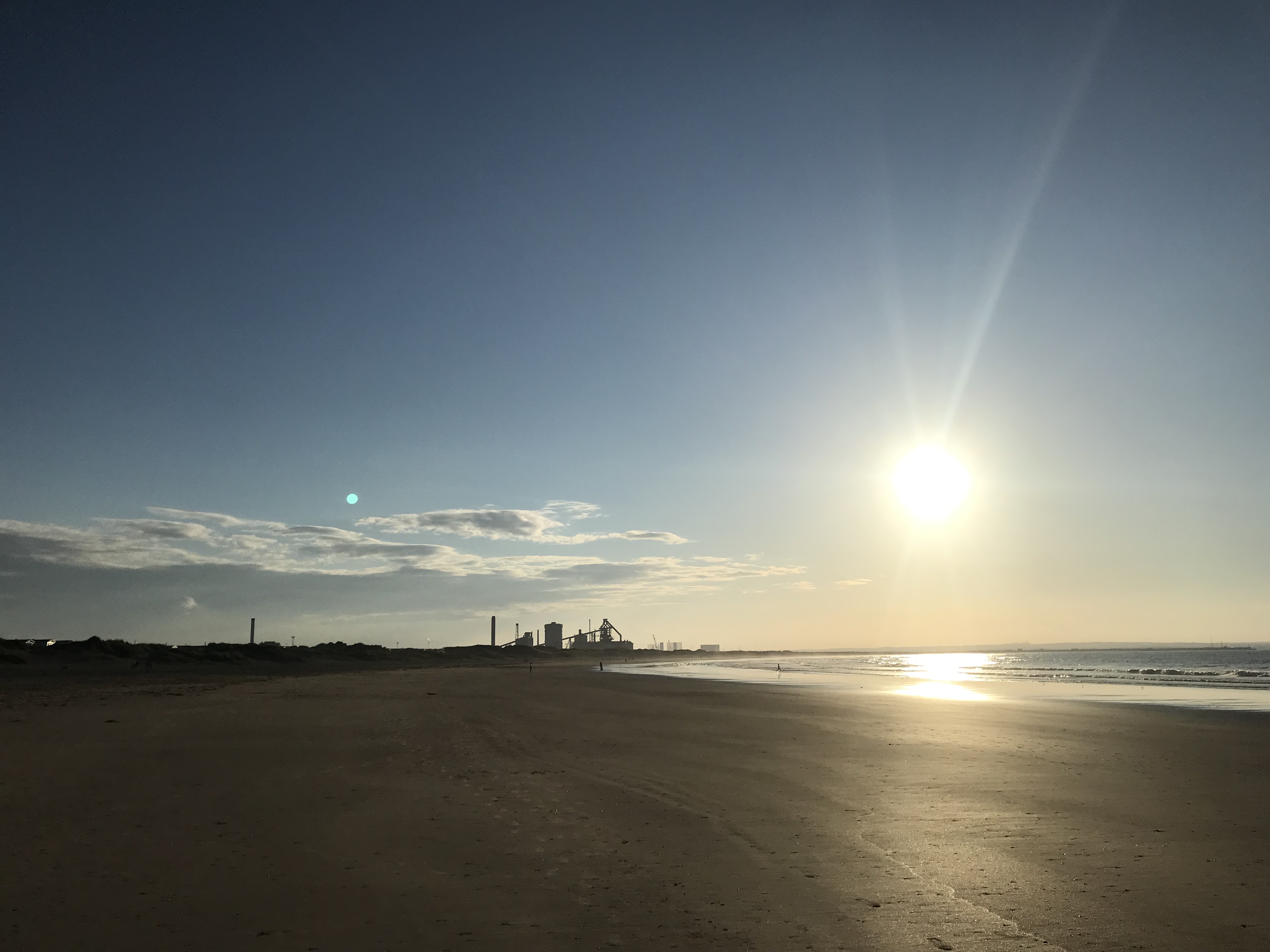
I grew up in Redcar. Born and raised by the North Sea. Although I left in my early thirties, it's still a big part of my life. My children are there. All of my family are there. I spend around 20% of my time in Redcar.
So when I read that Anthropic, the company behind the AI model I use most days of my working life, has agreed in principle to buy 222 acres of the old steelworks site for £222 million, my ears pricked up.
What has been agreed
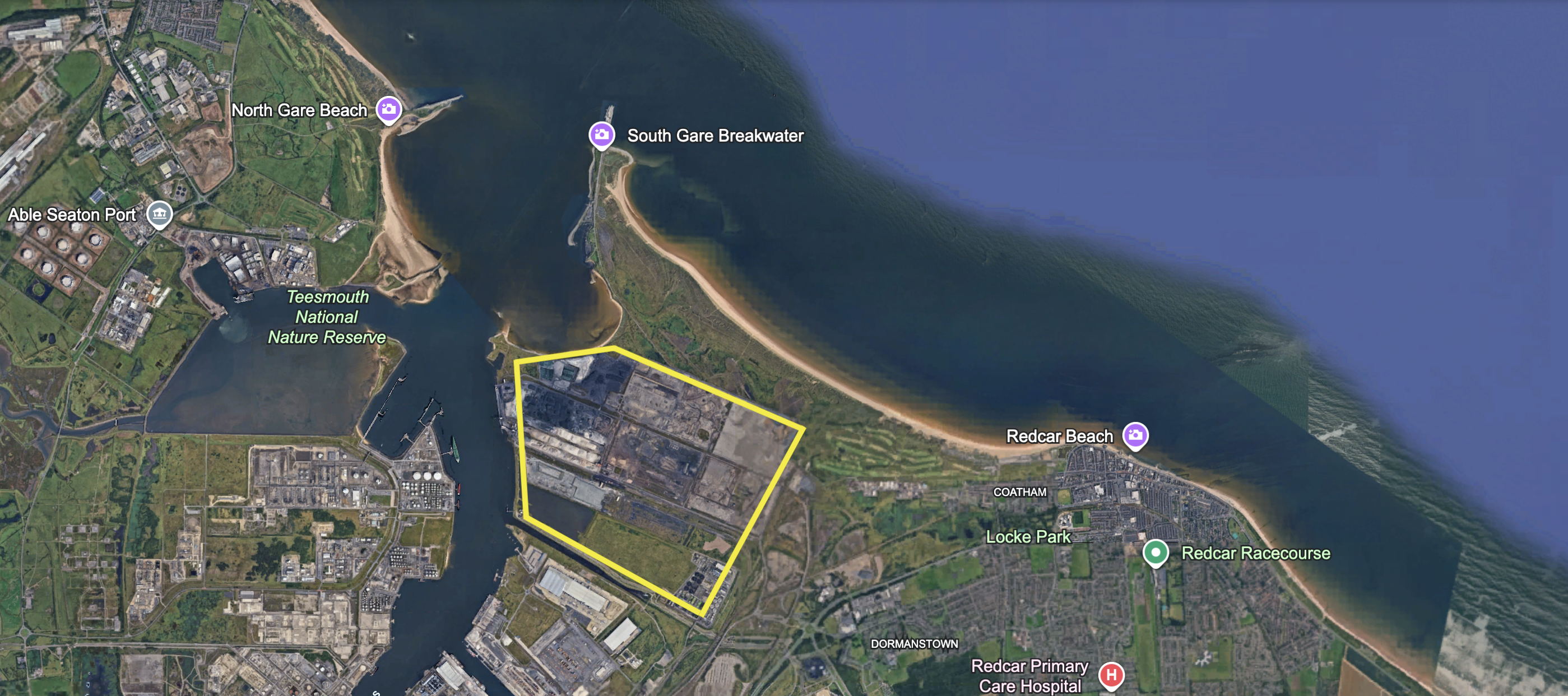
Teesworks Ltd, the public-private company managing the former Redcar steelworks site, has agreed in principle to sell 222 acres to Anthropic for £222 million, plus a further £40 million for an electricity connection. If Teesworks can deliver 1,400 megawatts of power to the site by the end of 2029, they stand to receive up to £166 million more on top of that, taking the total value of the deal towards £428 million (North East Bylines, June 2026). The plan is for what's being described as the largest data centre in Europe, close to 500,000 square metres, on land that used to make the steel that built half the world's bridges (Tees Business, July 2025).
It's not fully signed yet. It's agreed in principle, which in property terms means a great deal has been settled but the final contracts aren't done. Google had also been in discussions for the same site and appears to have walked away from Teesworks' terms. Whether Anthropic's deal completes exactly as reported, and on what final terms, is still playing out (The Morning Intelligence, June 2026).
THE DEAL IN NUMBERS
The land itself has its own complicated story
Teesworks Ltd is 90 percent owned by two local property developers, who acquired their stake in the site through a joint venture with the public development corporation that owns the land. Under that arrangement, they've been able to buy remediated land from the public body for £1 an acre, land that the taxpayer paid to clean up, and then sell or lease it on for large sums. Private Eye has reported on this arrangement extensively, and a Labour MP for the area has called it "industrial-scale corruption" (North East Bylines, June 2026).
It's controversial, to say the least. This piece of land bought effectively for nothing, using public money to clean it up, is now potentially generating over £400 million for a small number of private shareholders. If what is reported by Private Eye is true, then we, the taxpayers and the local people of Teesside, have been exploited.
What the site actually was
For most of the twentieth century, the works on that stretch of coastline were part of Dorman Long, the largest steel and iron manufacturer in the British Empire at its height. At its peak the company employed around 25,000 people and built structures still standing on the other side of the world: the Sydney Harbour Bridge, the Tyne Bridge, bridges in Sudan and South Africa.
My grandad worked at Smith's Docks, just along the river. My dad ran a fruit & veg business for years, with a warehouse at South Gare, the spit of land where the Tees meets the sea. We used to walk the dogs out there every weekend. I remember the horizon lit up orange from the blast furnace at night, and the awful smell of sulphur (or whatever it was!) that used to hang in the car whenever we drove past. It was part of the place.
The steelworks closed in 2015, and I saw many of the buildings and the blast furnace demolished, with dust clouds rolling across a site that had defined the skyline of the town my whole life.
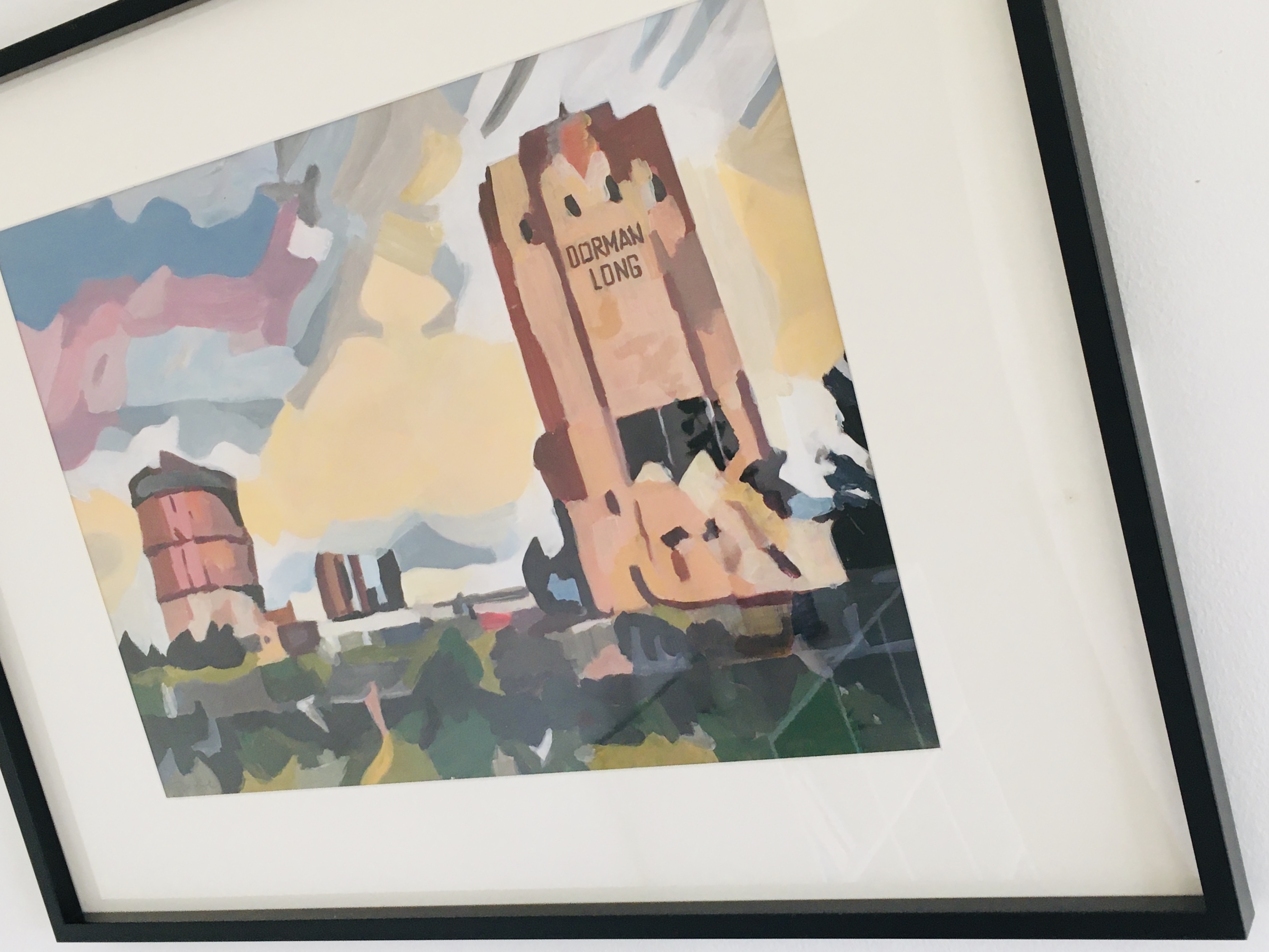
I have two paintings on my wall, done by a local artist, of the blast furnace and the Dorman Long Tower, the brutalist coking plant that stood a little further along the site until it too was demolished despite a late attempt to protect it. People in Redcar have always been proud of that place, even as it choked the air and even as its closure devastated the town.
What might change
If this goes ahead as reported, it would be an enormous piece of infrastructure landing in a town that's had little investment since the steelworks closed. The government has already named the wider Teesside area as an AI Growth Zone, and officials have said they've spoken to Anthropic, DeepMind, Microsoft and Google about sites in the area (Tees Business, July 2025), so Redcar may end up hosting more than one of these facilities over time, alongside existing plans for offshore wind manufacturing and a proposed hydrogen and carbon capture plant on overlapping land, plans that Teesworks itself has formally objected to, arguing they'd make the data centre unviable.
Construction estimates suggest up to 700 jobs once the site is operational, which is real but modest set against a project of this size, and years away in any case given the 2029 power deadline. The bigger, harder to predict effects are the ones nobody puts in a press release: rental demand, local supply chains, whether any promised community investment through the Teesworks Foundation materialises given that the foundation still isn't registered as a charity more than two years after launching.
Living with both things at once
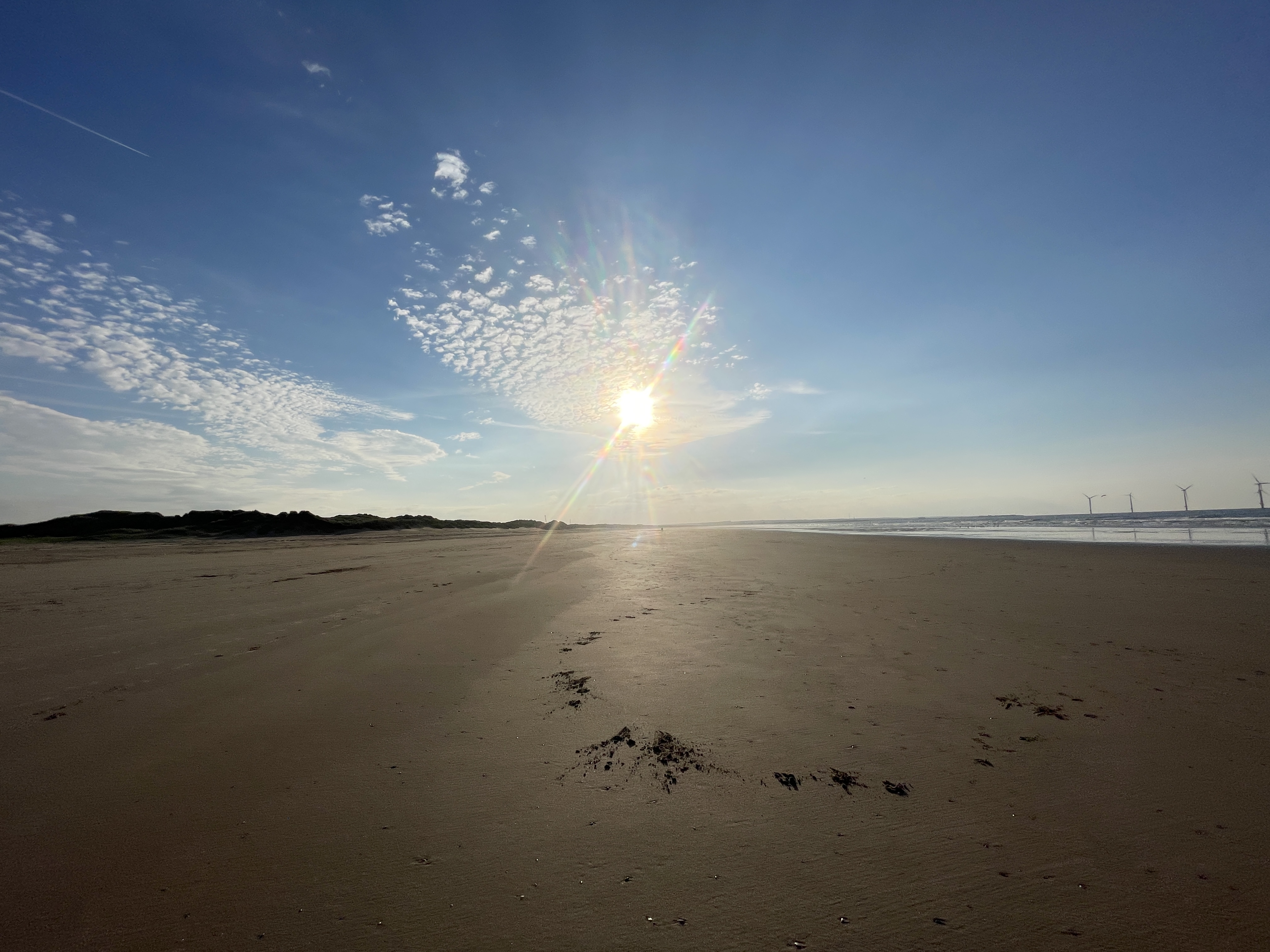
My son is about to start college studying plumbing, a trade the town will need more of if any of this construction happens. I still run the stretch of beach from Coatham to South Gare when I'm back, which I'd argue is the best place in England to watch a sunset, steelworks or not. And I've read enough now about what's happened to communities near data centres elsewhere, dried up wells in Georgia, water pressure disputes in Virginia, noise complaints that data centre operators dismiss as being within legal limits, to know that "this will be good for Redcar" and "this could go badly for Redcar" are not opposites. They're both very real possibilities. I wrote about what data centres tend to do to the places that host them in the companion piece, What Data Centres Do to the Places That Host Them.