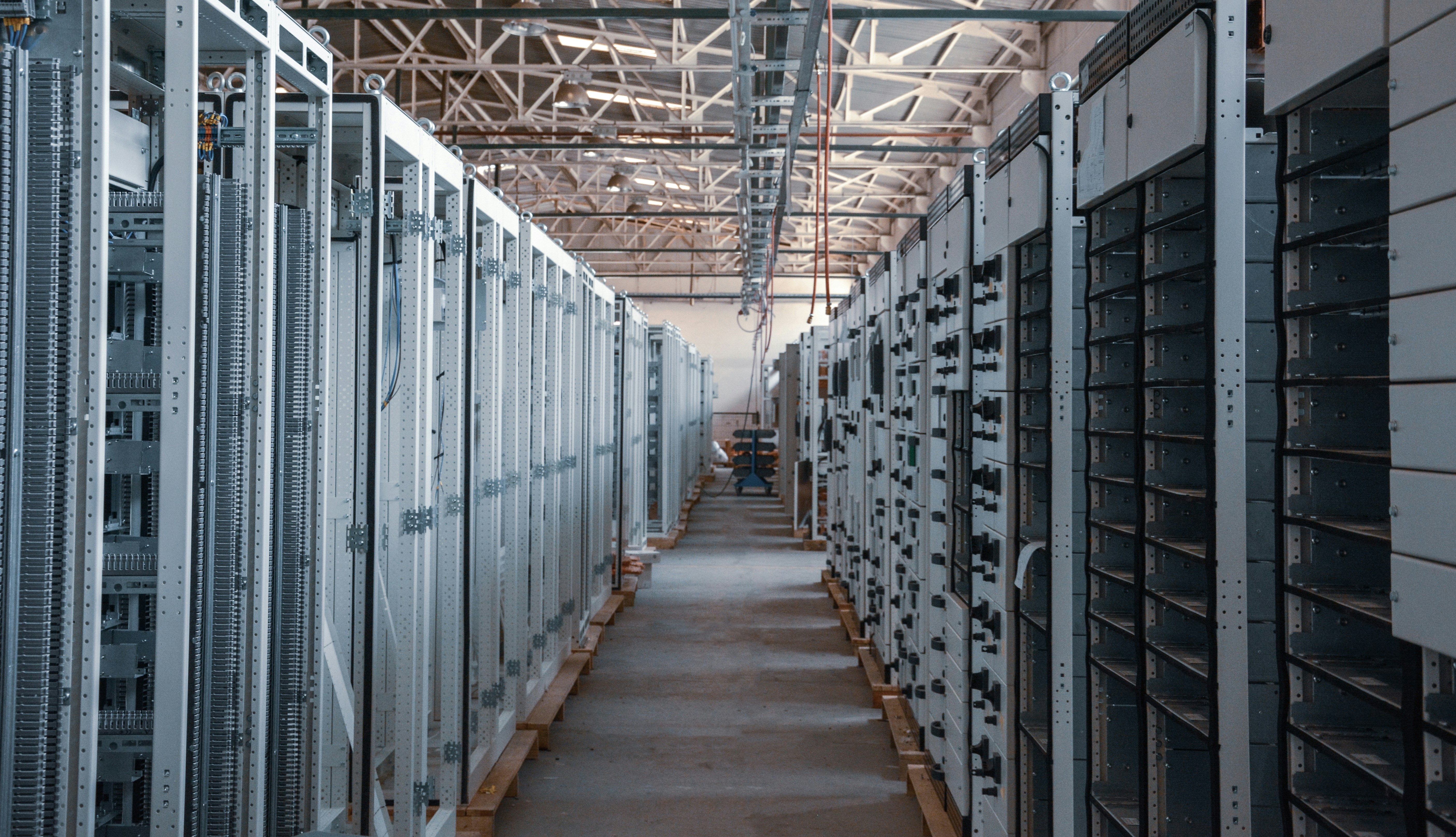
I've been working with AI tools for years now, and have built some platforms of my own using AI (which you can see on my projects page). The more I've used these tools day to day, the more conscious I've become of what sits behind them: the servers, the cooling systems, the electricity and water that every AI response uses. It's easy to type a prompt and forget that "the cloud" is a building full of machines that need to be kept cold.
But this week, learning that Anthropic, the company behind Claude, the model I use most, has agreed in principle to build one of the largest data centres in Europe on the site of the old Redcar steelworks, the question of how AI and data centres affect the places around them has moved right to the front of my mind.
Redcar is my home town. So the question of what these buildings do to the places that host them is something much more tangible.
What's being proposed at Redcar
The plan, as reported so far, covers 222 acres of the former steelworks site at Teesworks, close to 500,000 square metres of development, making it one of the largest data centres in Europe. The UK government has named the wider Teesside area an AI Growth Zone, and officials have said they've spoken to several major AI and tech companies, including Anthropic, DeepMind, Microsoft and Google, about sites in the area, which suggests Redcar could end up hosting more than one facility like this over time.
Estimates in the current planning documents suggest up to 700 jobs once the site is operational, a modest number set against a project of this scale, and the deal's own power connection deadline runs to the end of 2029, so this is a multi-year build rather than something landing overnight. There are also existing, competing plans for a hydrogen and carbon capture plant on overlapping land, which Teesworks has formally objected to, arguing it would make the data centre unviable.
Given all of that, I wanted to properly understand what facilities like this tend to do to the towns that host them elsewhere, before deciding how I feel about one arriving in mine.
The jobs are real, but fewer than people expect
Data centres are enormous to build and small to run. A facility that takes two or three years and thousands of construction workers to put up might end up employing a few hundred people once it's operational, most of them technical: electrical engineers, cooling systems specialists, security staff. The construction jobs are genuine and often well paid, but they're temporary by nature. The long-term employment is smaller and more specialised than the scale of the building suggests.
Water is where most of the conflict has happened
This is the part that concerns me most. Servers generate enormous heat, and cooling them at scale uses a lot of water, sometimes millions of gallons a day for a single large facility. In Loudoun County, Virginia, the world's biggest data centre cluster, water use by data centres more than doubled between 2019 and 2023. In The Dalles, Oregon, a Google facility used roughly a quarter of the entire town's water in a single year, and Google fought to keep the figures secret from local residents through a newspaper's public records request (Fortune, May 2026).
In rural Georgia, families living near a Meta data centre reported their wells running dry and their water pressure dropping, with one resident saying simply that she couldn't drink her own water anymore. In Arizona and Texas, data centres are competing directly with farms for water in places already short of it (The Conversation, June 2026). None of this is universal. Facilities using closed-loop cooling or air cooling instead of evaporative systems use far less water, and some companies have committed to becoming "water positive," replenishing more than they take (STL Partners, March 2026). But the pattern is consistent enough to take seriously: where water is scarce, or where a company hasn't been transparent about what it's using, trust breaks down fast.
Noise is a smaller but real complaint
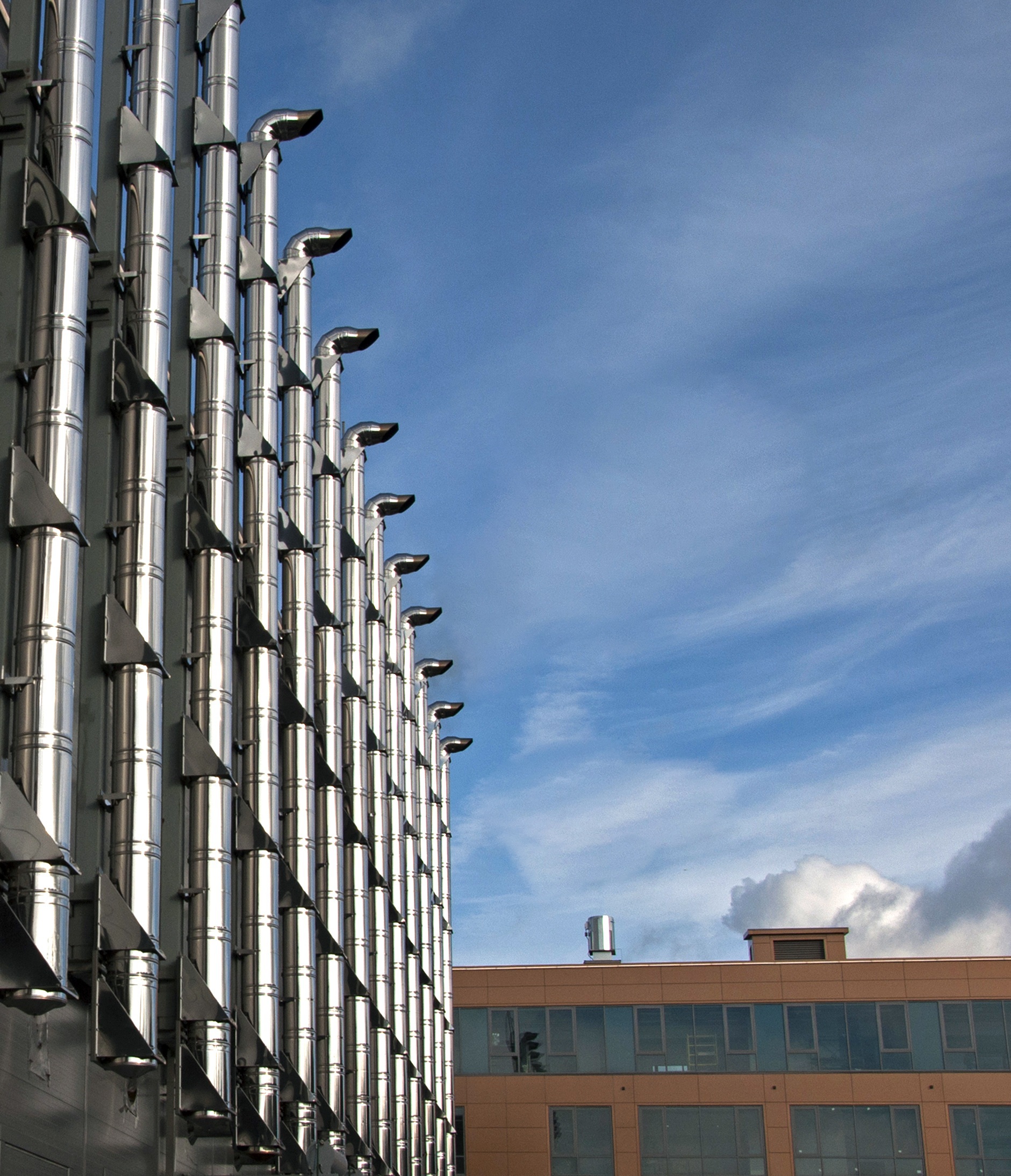
Residents near some US facilities have described a constant low hum or drone from cooling equipment, audible enough to affect sleep and concentration even when it stays within legal noise limits. It's the kind of impact that's easy to dismiss on paper and hard to live with in practice.
Energy demand raises prices for everyone nearby, not just the data centre
As data centres pull more power from a local grid, the cost of upgrading and maintaining that grid often gets spread across all users, meaning residential electricity bills can rise even for people who get nothing from the facility itself.
None of this is inevitable
The honest picture, reading through case after case, is that data centres are not automatically good or bad neighbours. The outcome depends on the cooling technology chosen, how much water stress the local area already carries, how transparent the operator is willing to be about usage figures, and whether the community has any real leverage in the planning process before construction starts rather than after.
A facility built on a coastline, drawing on a well-managed local supply, with modern low-water cooling and a real local investment plan, can be a reasonable neighbour. A facility built quickly, on the cheapest available terms, in a place already short of water, with usage figures treated as a trade secret, tends to become the kind of story that ends up in a newspaper's public records request.
Which of those two versions shows up depends on decisions being made right now, while the ink on planning applications is still wet. That's the part worth paying attention to, wherever a data centre happens to be landing.
Redcar, a data centre, and recent issues with our local sea
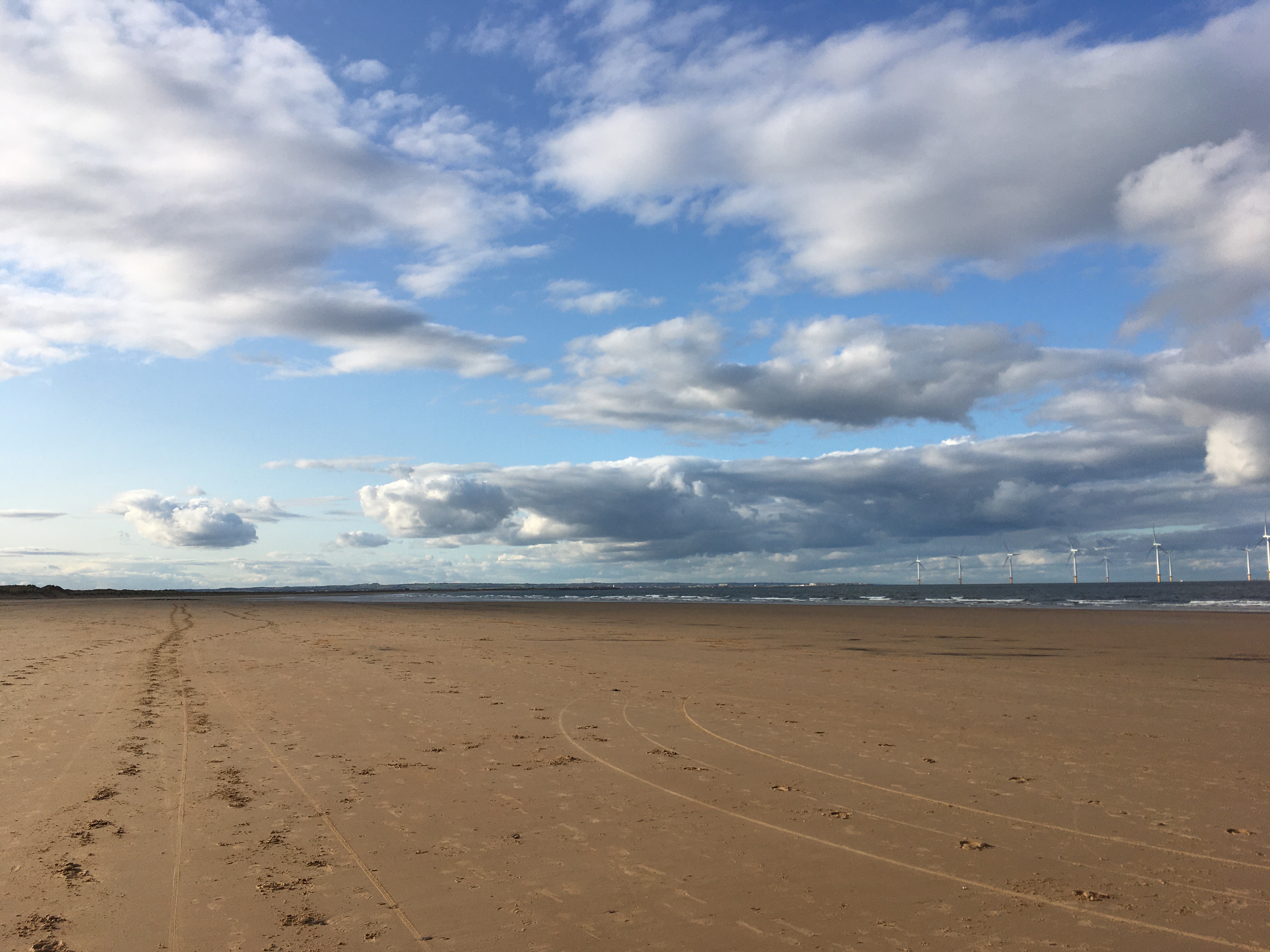
Redcar sits on a coastline, which is a point in its favour, sea water cooling tends to be less contentious than draining a local aquifer. But the local sea is already a sensitive subject before any of this arrives. In October 2021, mass numbers of dead crabs and lobsters washed up along this coastline, and local fishermen, an independent marine scientist, and MPs have long argued that dredging linked to the Teesworks and freeport development disturbed historic industrial toxins on the riverbed. (Teesside Live; openDemocracy). It's clear that trust between the local community and whoever manages this stretch of coast is already thin, before a single data centre pipe is laid.
That matters here, because I don't yet know how a facility of this scale plans to handle its own water discharge, and I haven't found confirmation either way of Redcar's current standing on sewage overflow into local bathing water, an issue that's affected many UK coastlines in recent years and is worth checking properly against the Environment Agency's published data before assuming either the best or the worst.
What I do know is that the site also carries a planning and ownership history that's already drawn serious scrutiny, long before construction has properly started, which I go into in the companion piece, The Data Centre Coming to My Home Town.
If care isn't taken, and if the same pattern of disputed evidence and delayed transparency repeats itself here, the people who'll carry the cost are the ones who fish this water, swim in it, and live alongside it, not the shareholders signing the contracts. Whether Redcar ends up as the well-managed neighbour or the cautionary tale isn't decided yet.